
Can a 10 Year-Old Have Bb Gun? (2026)
Can a 10 year-old have a BB gun? Many parents ask this when their child wants to shoot targets or try airsoft with friends.
This article will tell you what the law usually says, what fields and shops require, and what safety steps to take. It will be easy to read and full of practical tips.
We cover three big questions: can a child own one at home, can they buy one, and can they play at a field. You will also learn the difference between BB guns, airsoft, and pellet guns and why that matters for safety and rules.
Read on for a short legal overview, safety rules, transport tips, and a simple parent checklist you can use today. The advice is safety-first and parent-friendly so you can make a smart choice.
Table of Contents
- Can a 10‑year‑old have a BB gun? Short answer + breakdown
- Laws and age rules: federal, state and local (how old to buy, own, play)
- Safety, supervision and field rules (training & minimums)
- Transport, public use and orange‑tip/do‑not‑remove rules
- Practical parental checklist & recommended kit for a 10‑year‑old
- What People Ask Most
- Final Thoughts on a 10-Year-Old and a BB Gun
Can a 10‑year‑old have a BB gun? Short answer + breakdown
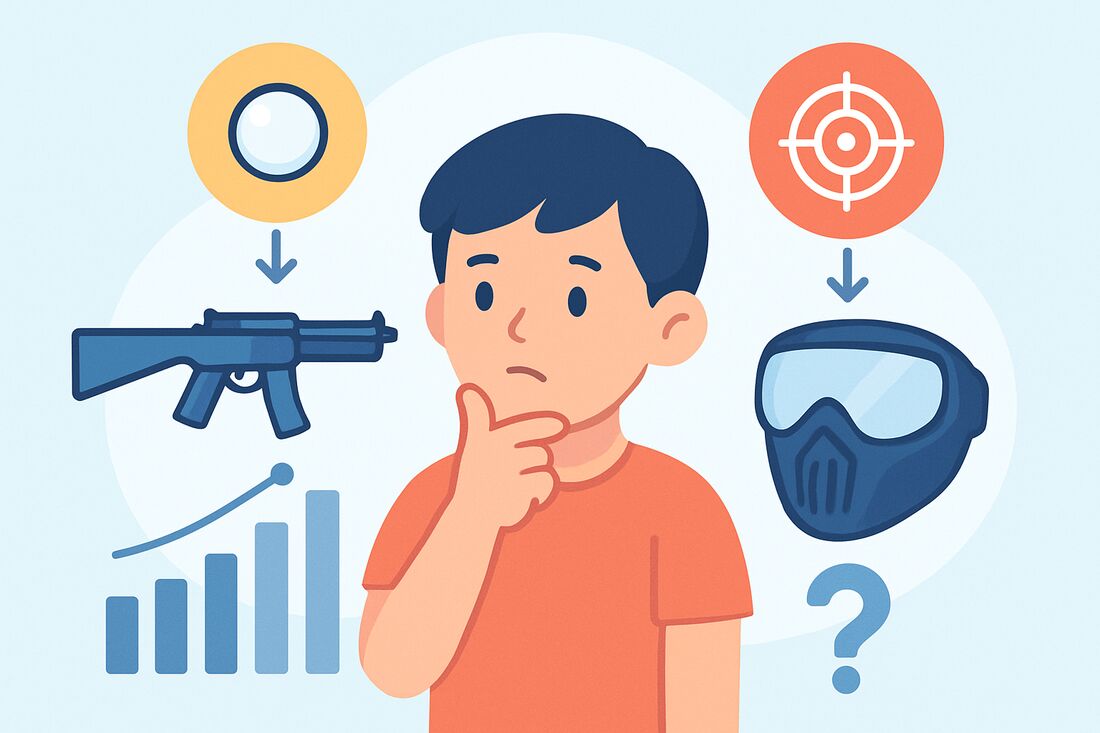
TL;DR: The short answer to “can a 10 year-old have a bb gun” is: it depends — on law, venue, and how an adult supervises the child.
Legally, places vary a lot and fields/ranges set their own rules. Practically, many parents allow supervised home or range use but do not let children carry or discharge BB guns in public spaces.
When people ask “can a 10 year-old have a bb gun” they usually mean three different things: ownership (does the child legally possess one at home), purchase (can they buy it at a store or online), and playing/use (can they take part at a field or range). Each question has a different answer depending on local law and operator policy.
Not all “BB” toys are the same. Airsoft guns fire plastic BBs and are generally lower risk than metal BB guns or pellet/air rifles, which can penetrate skin and cause serious injury. For a clear reminder of the risks and recommended protections, read the safety guide from federal authorities.
Typical outcomes you’ll see: many jurisdictions allow parental ownership at home but restrict sales to minors; retailers commonly refuse to sell some airguns to buyers under 18; airsoft fields often require a minimum age and safety briefing; some towns ban discharge in parks or streets. Always treat that as a preview, not a promise.
If you are a parent, immediate actions are simple: check local law and the rules of any field you plan to use, pick a low‑power platform for beginners, require certified eye and face protection, and never allow unsupervised handling. Follow local sources and field policies to confirm the exact limits where you live.
Laws and age rules: federal, state and local (how old to buy, own, play)
On the federal level, non‑powder guns are often treated differently than firearms, and many imitation or toy guns must carry visible markings like orange tips. National guidance and safety notices can help explain risk and labeling requirements; for a policy overview see materials on toy gun laws.
State patterns fall into a few common buckets: states with no explicit age for possession but retailer limits on sales, states that restrict sale to people 18 and older, and localities that ban public carrying or discharge. Some places, including large cities, add extra municipal rules that make public display or even transporting an airgun without a case illegal.
Look to state case studies to see how diverse rules can be. For example, rules in Illinois (and Chicago) are stricter than those in many rural areas, California and Massachusetts have local limits and enforcement patterns parents must check, and Ohio shows a different mix of retailer and field policies. These examples show why a family should verify local specifics rather than assume a national standard applies.
Local ordinances matter more than you might expect: parks, school grounds, and municipal buildings often have no‑discharge rules and some cities treat a visible BB or imitation gun as a public safety threat. To check your area, search your city code online, call the non‑emergency police line, and contact the field or store you plan to use before you travel.
Retailers and fields add another layer: many stores require a buyer to be 18 to purchase certain airguns, and most fields require minimum ages, waivers, and guardian presence. Always call ahead to learn a shop or field’s policy and ask about FPS limits and equipment requirements.
Safety, supervision and field rules (training & minimums)
Safety must come first. Supervision for a 10‑year‑old is non‑negotiable and the parent or guardian should be present for initial sessions and be confident in range rules before allowing play.
Core safety rules are simple: always treat the gun as loaded, keep muzzle discipline, keep finger off the trigger until ready to shoot, never point at people outside structured play, and always use a proper backstop. Teach clear range commands and practice them until the child responds automatically.
Required protective equipment should be high quality. Use sealed ballistic eye protection rated to standards like ANSI Z87.1, and for most BB and pellet use a full‑face mask and neck/chest protection. The American Academy of Pediatrics recommends formal safety steps for youth shooters; see their guidance on airsoft safety tips.
Training should progress in stages: dry handling and safe storage drills, stationary target practice with adult supervision, and then entry into structured field play with an experienced marshal. Fields often set FPS caps by age group, require chrono checks, and may mandate full‑face protection for younger players.
For supervision, a good rule is one adult for every two to three younger players during training and one adult for every four to five players in structured play where a certified marshal is present. Create a first‑session checklist: gear fit, rules briefing, emergency plan, and a gear‑and-safety inspection before any play.
Transport, public use and orange‑tip/do‑not‑remove rules
When you transport any BB or airsoft gun keep it unloaded, cased or locked, and store ammo separately and out of view. Put the gun in a trunk or locked case if available and follow local vehicle rules about transporting imitation firearms.
Do not remove or alter orange tips or required markings. Those markings exist to reduce the risk of a dangerous misunderstanding, and removing them can create legal problems and a safety hazard for you and your child.
Never use a BB or airsoft gun in public places like parks, school grounds, or sidewalks without written permission. If someone spots you and calls authorities, stay calm, keep hands visible, and explain: “This is a BB/airsoft gun for sporting use; I have permission to be here” and follow any instructions the officer gives.
Field policies often spell out transport and staging rules homeowners can copy: arrive unloaded, case gear until you reach the authorized firing line, and only load under marshal supervision. Treat those policies as the model for safe behavior everywhere.
Practical parental checklist & recommended kit for a 10‑year‑old
Start with a short checklist: verify state and local law, check retailer and field policies, pick a low‑power spring or beginner airsoft platform, buy certified eye and full‑face protection, and plan supervised training sessions with signed waivers. Keep batteries or CO2 removed for storage and store ammo locked and separate.
Recommended starter kit: a low‑FPS youth BB/airsoft gun, sealed ballistic goggles, a full face mask, a lightweight chest protector, a quality hard case, a chronograph (or use the field’s), and a small first‑aid kit. Fit and comfort matter more than brand for young players.
Household ground rules to post: never in public, always unloaded until on a safe range or field, adult present for any handling, always use a backstop and check the area before shooting. Make a one‑page printable checklist you and the child sign before the first session.
Finally, list trusted beginner models and verify age ratings on manufacturer pages. Keep rules consistent, enforce supervision, and treat safety gear as mandatory — that approach will give you the best chance of a safe, fun introduction to the sport.
What People Ask Most
Can a 10 year-old have a bb gun?
Rules and laws vary by state and country, so check local regulations first. With proper adult supervision and safety gear, many families allow supervised use.
Can a 10 year-old have a bb gun for target practice?
Yes, target practice can be safe if an adult supervises and a secure backstop is used. Start with simple drills and focus on safe handling before shooting.
Can a 10 year-old have a bb gun without adult supervision?
No, a 10 year-old should never use a bb gun unsupervised. An adult should always be present to enforce safety rules and handle emergencies.
Can a 10 year-old have a bb gun if they follow safety rules?
Following safety rules lowers risk but does not remove the need for supervision and proper storage. Regular training and clear family rules help keep use safe.
Can a 10 year-old have a bb gun at home and what safety gear is needed?
Yes at home if supervised and used in a safe area; always wear eye protection and closed-toe shoes. Use a sturdy backstop and keep the shooting zone clear of people and pets.
Can a 10 year-old have a bb gun for hunting or pest control?
Hunting or pest control with a bb gun is generally not recommended for young children. Many areas have strict rules, and adults should handle tasks that require accuracy and judgment.
Can a 10 year-old have a bb gun if they are trained by an instructor?
Instructor training is very helpful and teaches proper techniques and safety habits. Even with training, ongoing adult supervision and safe storage are still required.
Final Thoughts on a 10-Year-Old and a BB Gun
Think of this guide as a 270-degree check: it explains whether a 10‑year‑old can have a BB gun by separating ownership, purchase, and play so parents can see the real risks and rules. It gives a clear, safety-first roadmap for guardians who want supervised, practical entry into shooting sports.
The practical payoff is a short list of actions—check local law and field policy, choose low‑power spring or beginner airsoft, insist on ANSI-rated eye and full-face protection, and train from dry drills to supervised field play. A realistic caution: even plastic BBs can injure and many municipalities restrict public use, so always verify ordinances and never skip supervision.
We began by asking “can a 10‑year‑old have a BB gun” and answered it by giving clear steps for legal compliance, safety gear, transport rules, and starter kit choices. With those basics, you can move forward confidently and responsibly as your child learns the sport.