
Airsoft Guns What Are They – Explained (2026)
Airsoft guns what are they? This short guide will give you a clear, simple answer.
They are realistic replica firearms that shoot small plastic BBs for sport, training, and fun. You will learn how they differ from real guns and from paintball.
We cover the three main types — spring, gas, and electric — and explain how each one works in plain terms. You’ll get quick facts on BBs, hop-up, FPS, and common uses like skirmish, milsim, and target practice.
Plus you’ll get practical buying, safety, and maintenance tips. By the end you’ll know what to buy, how to stay safe, and which airsoft setup fits your play style.
What Are Airsoft Guns?
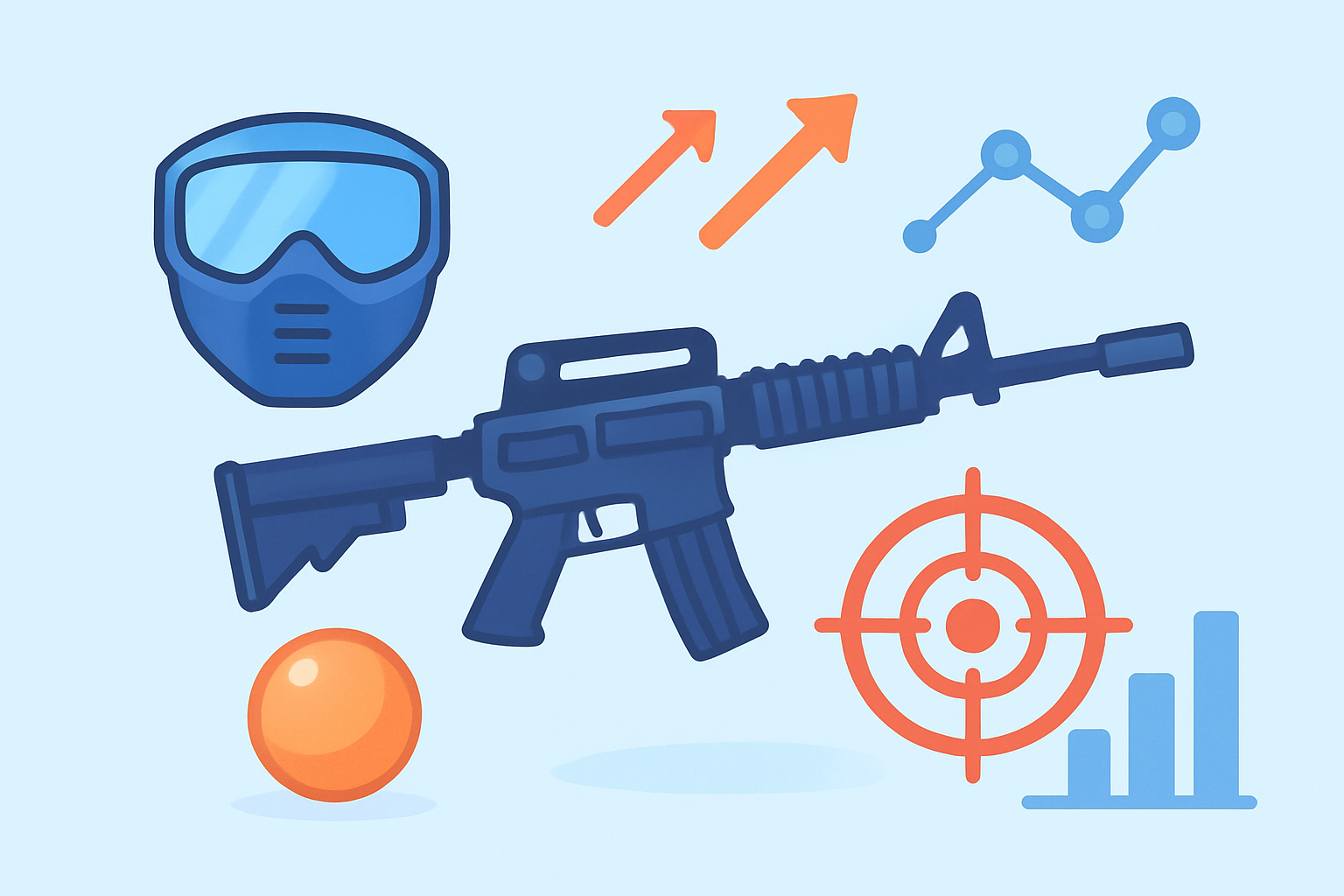
If you ask “airsoft guns what are they”, the simple answer is this: realistic replica firearms that fire small plastic BBs for sport, training and recreation. They look like real guns but are designed to be low-power and safe when used with rules and gear. For more technical background you can learn more.
Players use airsoft for skirmishing, milsim events, target practice and casual plinking. They also serve for firearm training and film props because many are 1:1 scale replicas. Remember that safety rules and field limits apply and that appearance can cause legal or public-safety issues if you handle them outside a play area.
How Do Airsoft Guns Work?
To answer “airsoft guns what are they” you also need to see how they work. All types push a 6mm plastic BB down an inner barrel by using compressed air or stored energy.
There are three propulsion families: spring, gas and electric. Each uses a magazine, a barrel, a hop-up unit for backspin, and a trigger. Fields measure muzzle velocity in FPS and energy in joules to set safe limits.
BB weight and hop-up matter for range and accuracy; heavier BBs fly straighter but need more power. Semi-auto fires one BB per trigger pull while full-auto keeps firing while the trigger is held. Chronograph checks are common at fields to ensure safe play.
Spring-Powered Airsoft Guns
Spring-powered guns are simple and common in cheap pistols and bolt-action sniper rifles. You cock the slide or bolt, which compresses a spring that releases to push a piston and send a BB down the barrel.
They are inexpensive and very reliable since they need no batteries or gas. Downsides include single-shot operation or slow rate of fire and less realistic handling for skirmishes. These are great for beginners, backyard plinking and budget buyers who value low maintenance.
Gas-Powered Airsoft Guns
Gas guns use compressed propellant stored in the magazine or a separate tank. Types include gas blowback (GBB), which cycles the slide or bolt for realistic recoil, and non-blowback models that only fire BBs without cycling.
Propellants range from green gas and CO2 to propane variants, and some players use HPA systems for rifles. For a practical primer and setup tips see this detailed guide.
Gas guns feel realistic and make great secondary pistols or high-end rifles, but they are more sensitive to temperature and need regular seal maintenance. Expect recurring gas costs and more upkeep, so they suit players who want realism and are comfortable with maintenance and winter care.
Electric Airsoft Guns (AEGs)
An AEG uses a battery-powered motor to drive gears that compress a spring and cycle BBs automatically. Core parts are the battery, motor, gearbox (gears and piston), cylinder and hop-up for accuracy.
AEGs deliver consistent rate of fire across temperatures and are easy to upgrade and tune. Their downsides are battery charging needs and possible electronic or gearbox maintenance, but they remain the most common primary weapon for skirmishes.
Beginners often start with an entry AEG rifle and a gas blowback pistol as a secondary. Use NiMH or LiPo batteries and follow safety rules for charging and storage to avoid problems.
Ammo is standard 6mm plastic BBs, with common weights from 0.12g to 0.40g; 0.20g is a good default and heavier BBs work better for snipers. Always wear eye protection, use face guards where required, and get chrono-checked at the field; never brandish airsoft guns in public.
Buying tips: pick your play style (CQB vs outdoor), set a budget, and choose reliability and parts availability over flashy looks. Basic gear includes spare magazines, BBs, a charger or gas, a simple tool kit and a clean barrel rod. Maintain your gun by cleaning the barrel, tuning the hop-up, lubricating moving parts, checking seals, and following field FPS/joule limits to stay legal and safe.
Finally, a quick starter checklist: know your local laws, choose an entry AEG plus a GBB sidearm if possible, keep spare mags and batteries, and learn basic maintenance. That approach makes getting into airsoft easier and more fun while keeping safety front and center.
What People Ask Most
Airsoft guns — what are they?
Airsoft guns are realistic-looking guns that shoot small plastic BBs using air, gas, or a spring. People use them for sport, training, and recreation because they mimic real firearms without firing live ammunition.
What are airsoft guns used for?
They are used for team games, target practice, and tactical training. Many players enjoy the sport for exercise, strategy, and social interaction.
Are airsoft guns safe to use?
They are generally safe when used with proper eye protection and rules, but pellets can cause pain or injury to unprotected areas. Always wear goggles, follow field rules, and treat them responsibly.
Do airsoft guns fire real bullets or cause serious harm?
No, airsoft guns fire small plastic BBs, not real bullets, and are far less powerful than firearms. They can still bruise or break skin at very close range, so safety gear and caution are important.
How are airsoft guns different from paintball?
Airsoft uses small plastic BBs that usually don’t leave visible marks, while paintball shells burst and leave paint on hits. Airsoft often focuses more on realism and tactics, while paintball emphasizes visible scoring.
Do I need special gear to play airsoft?
Basic gear includes eye protection, sturdy clothing, and gloves to protect from hits and scrapes. Many fields also require face masks and recommend chest or head protection for added safety.
Are airsoft guns legal where I live?
Laws vary by city and country, so check local rules before buying or using one. Many places allow airsoft with age limits and regulations about how they are displayed or transported in public.
Final Thoughts on Airsoft Guns
Airsoft delivers realistic, low-risk shooting play and training, letting you feel authentic gear, tactics, and teamwork without live rounds. Fields keep power in check — if your chrono ever shows 270 it’s part of that safety balance — and the gear families (spring, gas, electric) give options for any budget or role. That mix makes it ideal for beginners getting their feet wet, mil‑sim hobbyists chasing realism, and weekend skirmishers who want solid, upgradeable primary/secondary setups.
Still, expect one real caveat: you’ll need to treat your replica like gear, not a toy — eye protection, field rules, maintenance, and occasional tune‑ups are part of the deal. If you came in asking “what are airsoft guns?” this piece laid out what they are, how they work, and how to pick and care for them so you can choose a setup that fits your play style. Enjoy the learning curve and the camaraderie; with patience and a little care you’ll be set for many safe, satisfying games ahead.