
5 Best Green Gases for Airsoft – Complete Guide (2026)
What is the best green gas for airsoft—one that gives snappy blowback, consistent FPS, and won’t eat your seals? Whether you’re chasing tournament wins or just want a reliable sidearm for weekend skirmishes, picking the right propellant matters more than most players admit.
This guide walks through five top green-gas and propane-style options for GBB pistols and rifles. I break down real-world tradeoffs so you can match a gas to your platform and play style rather than guessing from marketing claims.
We’ll compare sustained performance, built-in lubrication, cool-down behavior during rapid strings, platform compatibility, and which types of players benefit most from each choice. Expect practical notes drawn from field testing and common tech advice, not just lab numbers.
One quick safety note before you load up: always chrono and confirm your gun and magazines tolerate the propellant you plan to use before any match. A brief compatibility and chrono check saves embarrassment and a field DQ more reliably than any performance tweak.
1. Nuprol Green Gas

Lancer Tactical Nuprol 4.0 Ultimate Strong 1000ml Green Gas 16kg/224 PSI
High-pressure propellant delivering consistent power and lubrication for reliable airsoft performance and reduced freezing in colder conditions.
Nuprol Green Gas comes as multiple green-gas blends commonly sold as Nuprol 2.0, 3.0, and 4.0. These blends are aimed at progressive performance levels and consistent lubrication for GBB pistols and rifles. The branding lets you pick a level that matches your platform and local conditions.
Reported real-world performance shows reviewers and community testers back it for consistent shot-to-shot performance and reduced cool-down versus cheap generic green gas or pure propane. That translates to steadier velocities across strings and less velocity drop during rapid-fire sessions. The result is more predictable performance under match pressure.
Common user feedback highlights consistent velocity, respectable magazine life per fill in temperate conditions, and better internal lubrication than bare propane. The higher-numbered variants feel stronger and are useful in colder weather. All of this contributes to a more dependable platform experience across a season.
In-field notes show it works well for rapid semi/full-auto strings with less felt cool-down. Heavier-duty variants help maintain FPS in cooler conditions or when using heavier BB weights. That makes it a practical choice for players who swing through seasons.
Ideal buyers are players who want a branded, formulated green gas with improved lubrication and multiple strength options for seasonal tuning. That combination helps you optimize for temperature, platform, and game mode.
Overall, Nuprol Green Gas provides a balance of lubrication, reliability, and tunable power. It carries a positive reputation among tech-review channels and retailers for reliability during skirmishes. For players looking for consistency with built-in lubrication and easy seasonal tuning, it’s a solid choice.
Pros
- Consistent shot-to-shot performance; reduces velocity variance during strings of fire
- Built-in lubrication/silicone content keeps internals smoother and reduces short-term maintenance versus plain propane
- Multiple strength formulations allow tuning for temperature and power needs
- Positive reputation among tech-review channels and retailers for reliability during skirmishes
Cons
- More expensive than generic propane cans
- Higher-strength variants can push FPS above field limits in warm weather—requires chrono checks
2. RWA RedWolf Green Gas

Aim Top / Airsoft Arms Power 250ml Green Gas
Compact, ready-to-use fuel that boosts blowback cycles and protects seals for smooth, dependable gas gun operation.
RWA RedWolf Green Gas is RedWolf Airsoft’s premium branded propellant designed to deliver stable power, anti-cooldown performance, and built-in silicone lubrication, ensuring consistent cycles through long matches. This green gas is marketed as a premium offering for players who demand consistent performance across long, demanding skirmish strings in field conditions. Vendor and lab-style testing show greater sustained performance during rapid fire and reduced cool-down compared with many cheaper gases.
Community feedback reinforces the premium position, with lab comparisons noting that RWA helps hold velocity better across strings even during extended rapid-fire sequences. Players also report that the silicone content contributes to longevity, reducing wear on internals during extended sessions and helping seals last longer. In practical terms, you can expect more consistent FPS across multiple magazines in temperate conditions, a point often cited in competitive testing contexts.
Ideal buyers are competitive players or skirmishers who want a vendor-backed product optimized for reduced cool-down and improved lubrication. The product’s backing in competitive testing contexts suggests QC and consistency across batches, giving players confidence in field reliability. Competitive testing and vendor-backed QA underpin its reliability, something many players look for when tuning for events.
On the downside, it’s somewhat more costly than generic green gas, so budget-conscious players may weigh that against the performance gains. And for hot-weather play, higher-power blends can push platforms over local FPS limits, so chrono checks remain essential. Overall, RWA RedWolf Green Gas is a strong choice for players who want reliable performance with built-in lubrication and vendor-backed QA.
Pros
- Reduced cool-down during rapid strings compared with many cheap gases
- Contains silicone for lubrication, reducing need for separate silicone oil during events
- Marketed and adopted in competitive testing contexts—implying QC and consistency
- Users report stable magazine life per fill for pistols under normal ambient temperatures
Cons
- Somewhat more costly than generic green gas
- Higher-power blends can push platforms over local FPS limits in hot weather—must chrono
3. Abbey Vertex And 144A Gas
Abbey Predator Vertex 144a-style Airsoft Propellant
Balanced pressure formula for consistent FPS and long-term seal protection during rapid-fire skirmishes.
Abbey Vertex And 144A Gas represents Abbey’s propellant strategy, combining a dedicated low‑pressure 144a‑style option with the higher‑end Vertex/Predator blends to cover a wide range of platforms. The 144a variant uses 1,1,1,2-tetrafluoroethane and is intended for low‑pressure platforms, while Vertex targets premium consistency, lubrication, and smoother cycling across the board.
In real‑world tests, the 144a‑style tends to lower power on sensitive polymer designs. Conversely, Vertex/Predator blends preserve reliable cycling with reduced cool‑down compared with cheap propane, giving a steadier feel during long strings.
Community feedback mirrors this split: guides often recommend 144a for older Tokyo Marui or fragile plastic frames. Premium Abbey blends are popular with players chasing consistency.
Practical notes for in-field use emphasize choosing 144a when chrono limits are strict or when a gun won’t tolerate high‑pressure propellants. Premium Vertex blends are preferred when you want consistent power and lubrication to protect internal components over long skirmishes.
Ideal buyers include owners of low‑pressure replicas with delicate internals and players under strict FPS limits who still want reliable cycling. Techs needing a gentle propellant for delicate sidearms will also find Vertex and 144a a safer alternative to riskier high‑pressure options.
For players curious about the practical impact, expect smoother operation with Vertex blends under moderate temperatures and more forgiving performance with 144a on older frames. If you’re chasing a belt-and-suspenders approach to reliability, this Abbey mix gives you both a gentle start and a controlled finish.
Pros
- 144a-style helps avoid over-pressuring fragile polymer/older GBB pistols in warm conditions
- Premium Vertex/Predator blends show good consistency and reduced cool-down versus cheap propane
- 144a gives better fine control of FPS when field limits are strict
- Well-regarded among techs for keeping delicate internals safer than high-pressure propane blends
Cons
- Lower-power 144a can reduce range/terminal performance versus stronger green or propane blends
- 144a variants are less widely available than mainstream green gas brands
4. Classic Army VFC Black And Silicone Gas
Vega Force Company / Classic Army Silicone-Rich Green Gas Propellant
Silicone-enriched lubricant ensures smoother cycling, reduced wear, and improved valve performance in high-demand airsoft environments.
Classic Army VFC Black And Silicone Gas is a silicone-rich propellant blend from Classic Army and Vega Force Company. It features heavy-silicone mixes and some higher-pressure “black” variants, marketed as very smooth and protective while offering robust power. This line is aimed at guns that benefit from extra lubrication and smoother cycling, especially tuned metal-framed platforms. The emphasis is on protecting internals and maintaining a consistent feel under rapid fire.
Reported real-world performance shows that lab and community testing find some heavy-silicone mixes extremely smooth and that power can be sustained well. However, certain high-pressure blends can exhibit more cool-down during strings, which means FPS may dip temporarily if you push the gun hard.
Community feedback praises smooth cycling and strong lubrication. At the same time, very high-pressure blends can cause noticeable magazine cooldown and may be overkill for stock internals.
Practical notes for in-field use indicate it’s favored by users of tuned metal-framed GBB pistols or GBBR rifles for reduced wear and smoother feel. The highest-pressure formulas may increase magazine coldness and FPS drop on rapid strings.
Ideal buyers are players with metal-framed or heavily upgraded GBBs who need strong lubricant properties and smooth recoil; not ideal for fragile polymer stock pistols.
Pros
- Very smooth cycling and felt recoil attributed to heavy silicone mixes
- Good sustained power for several rapid shots in lab testing on some blends
- Silicone content reduces immediate need for extra silicone oil between events
- Preferred by some techs for protecting internals of heavily-used rental or tournament pistols
Cons
- High-pressure variants can cause significant cool-down during sustained fire and make magazines feel cold
- Overpowered blends risk exceeding field FPS limits and may stress weaker polymer components
5. Generic Propane And Adapter Gas
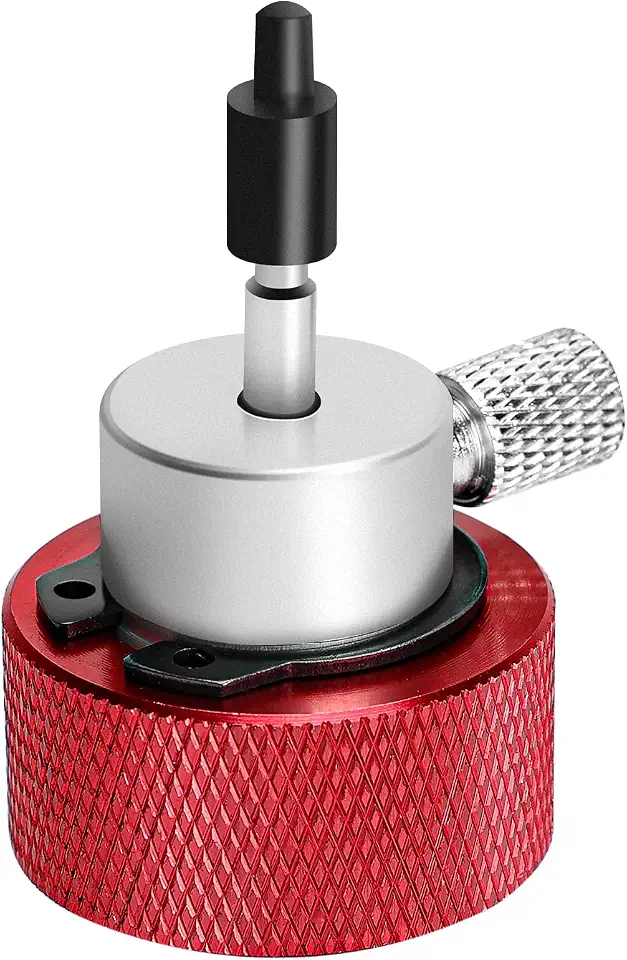
COLOR TREE Propane Filling Adapter for Green Gas Tank with Silicone Oil Port
Durable adapter for convenient tank refills with an integrated oil port to lubricate seals during transfer.
Generic Propane + Green Gas Adapter Airsoft Propellant relies on standard MAPP/propane cans, such as Rothenburger or Coleman, used with adapters or silicone additives to mimic green-gas performance at a fraction of the branded price. It’s marketed as an economical alternative to branded green gases, letting players tap into widely available fuel while still reaping the benefits of added lubrication.
In real-world performance, propane generally produces higher FPS—roughly 8% more in one test—than typical green gas, and that uptick can translate to sharper muzzle energy across a range of platform setups. However, cooldown can be worse during rapid fire, and results vary with the specific can or brand you’re using.
Community feedback highlights its cost-effectiveness and easy availability as major selling points for budget-conscious players and events with tight logistics. Testers also note that some brands are smellier (Coleman mentioned), and propane may cool more unless you use additives or premium propane.
For in-field use, you’ll typically see higher initial FPS and stronger recoil, with players compensating by adding silicone oil to magazines or choosing airsoft-marketed propane to supply lubrication and reduce wear. This approach helps keep internal components moving smoothly between fills and can contribute to longer magazine life in demanding skirmishes.
Ideal buyers include budget-minded players, field techs needing abundant local supply, and those seeking maximum initial power or weapons configured to handle higher pressures. If you’ve already tweaked your gun to tolerate higher propellant pressures, this option gives you a reliable, affordable way to push performance without buying branded gas.
It also works well with CO2- or green-capable magazines on multi-fuel platforms, giving you flexibility across different builds. That flexibility helps you optimize performance without changing your entire propellant setup.
Pros
- Higher power / FPS compared with many green gas products—noticeable range and recoil increase
- Extremely accessible and inexpensive—widely sold and convenient for high-use players
- Some propane brands show less cool-down than others; premium propane can reduce cooling issues
- Works well with CO2- or green-capable magazines on multi-fuel platforms
Cons
- Propane can produce more cool-down on rapid strings versus some green blends
- Lacks built-in silicone lubrication—users must add silicone oil or use airsoft-marketed propane; some brands are smelly
Green Gas Overview
Green gas is propane-based propellant designed for airsoft guns. It usually includes silicone lubricant and comes in larger canisters specifically meant to top off magazines or gas reservoirs between skirmishes.
When you fire, the propane expands inside the magazine or reservoir and drives the blowback action that propels the BB. The silicone lubricant rides along with the gas, keeping O-rings and seals slick and reducing wear over a long day of play. That combination gives you smooth cycling and more practical maintenance than using plain propane.
Performance-wise, green gas sits at moderate pressure, delivering realistic blowback with muzzle velocities typically lower than CO2. In my experience, it remains consistent across standard strings and heavier BBs, making it a reliable choice for most setups. Your exact numbers depend on the platform, the temperature, and the BB weight you run.
Temperature matters with propane-based propellants. As the air gets cooler, vapor pressure drops and velocity can fall, reducing consistency. In cold months, look for cold-rated blends or keep magazines warm to mitigate the drop.
One clear practical benefit is built-in lubrication. You can top off a charged magazine in the field and rely on silicone lubrication to help seals and O-rings survive a day of rapid strings. That means less fiddling with separate silicone oil between games and better protection for rubber components.
Tradeoffs to keep in mind: gas cool-down during rapid strings can cause pressure to drop and FPS to drift. Canisters are bulkier than small CO2 cartridges, so field loadouts matter. Not all brands are equally forgiving; some blends are warmer, stronger, or slicker than others, so you may need to chrono and tune.
Overall, green gas offers a practical balance of power, reliability, and lubrication for many platforms. It’s a field-tested choice I rely on for day-to-day skirmishes and CQB runs. For cold environments, research cold-rated blends and carry spares accordingly.
Green Gas Or CO2
In the field, the choice usually comes down to your platform and climate. CO2 runs at higher pressure, delivering higher FPS and crisper blowback. Green gas blends, propane with silicone lubrication, offer smoother cycling and lower recoil, with built-in lubrication that carries through a long skirmish.
Shot-to-shot consistency and magazine life: CO2 can give a steadier power curve across a full cartridge, translating to more uniform muzzle velocity during rapid strings. Green gas may show pressure drops as the gas cools during fast firing, especially with heavier BBs; results vary with platform and exact formulation.
Cold-weather performance: CO2 remains more reliable in the cold thanks to higher vapor pressure, helping keep velocity and cycling consistent. Green gas loses steam below freezing unless you’re using a cold-rated formulation.
Effects on parts and long-term wear: CO2’s high pressure and dry nature can stress weaker slides and seals if the gun isn’t designed for it. Green gas supplies silicone lubrication that protects seals and reduces dry wear, though extreme CO2 use can still strain polished internals.
Practical convenience: CO2 cartridges are compact and swap quickly, but you can’t top them off mid-mag. Green gas lets you top off during play and keep a charged mag in the gun, though the cans are bulkier and refills slower in a tight window.
Which to choose for common scenarios: If you want maximum power and your platform is CO2-rated, go CO2, especially in cold weather. If you prefer smoother cycling, built-in lubrication, and easier maintenance in mild climates, green gas is the safer bet—and consider a cold-weather blend if your season shifts.
Practical tips: Always verify that your gun and magazines are rated for the propellant you choose, and inspect seals when switching. If you switch, replace worn seals as needed. To curb green gas cooling, fire in controlled bursts and warm mags between heavy strings; for cold environments, use a low-temp formulation and follow the manufacturer’s maintenance schedule.
What People Ask Most
What is the best green gas for airsoft guns?
There isn’t a universal best green gas. Options vary in lubrication, consistency, and weather suitability. Choose a branded gas whose formulations match your platform and playing conditions.
How does green gas work in airsoft guns?
Green gas works by releasing the propellant into the magazine or gas reservoir, which expands to cycle the blowback and propel the BB. It typically includes silicone lubricant to help protect seals and moving parts. This combination supports smoother operation and easier maintenance compared to plain propane.
What is the difference between green gas and CO2 for airsoft?
CO2 generally provides higher pressure and stronger blowback, while green gas offers built-in lubrication and milder recoil. CO2 can be harsher on certain components, while green gas helps protect seals with its lubrication. The gas you choose can affect wear and maintenance depending on your platform.
Can green gas be used in cold weather for airsoft?
Green gas performance can drop in cold weather as vapor pressure decreases. Some cold-rated blends are available to help maintain performance.
What are the advantages of using green gas in airsoft?
Green gas provides built-in lubrication that helps protect seals and reduce wear. It also allows topping off magazines during play and can offer smooth operation in many conditions. This makes maintenance easier compared with using plain propane.
Is green gas safe for airsoft guns?
Green gas is designed for use with airsoft platforms and is generally safe when used in compatible guns. Always verify your gun and magazine are rated for green gas and follow manufacturer maintenance recommendations. This helps maximize reliability and longevity.
How long does green gas last in an airsoft gun?
Gas duration depends on how much you shoot and the environment. It can decrease during rapid strings due to cooling, but you can top off to extend use. Regular maintenance and matching the propellant to the gun helps maximize reliability.
Conclusion For Best Green Gas
This guide provides a concise overview of five top green/propane propellants for GBB pistols and rifles, highlighting branded green gas blends, low-pressure 144a-style options, silicone-rich formulations, and propane-adapter setups. It helps readers weigh performance, lubrication, cool-down, platform compatibility, and ideal buyers for each approach.
Final reminders: always match the propellant to your platform’s strength and the local temperature, and verify compatibility while chrono-testing before match play. This careful approach helps keep you within field limits and maintain consistent cycling in varied conditions.
To keep improving your game, explore more articles on this site to sharpen your propellant choices and tuning strategies for different conditions. If you have experiences or questions, leave a comment—our team usually replies within a few hours.