
Can You Shoot a Pellet Gun in Your Backyard? (2026)

Can you shoot a pellet gun in your backyard? This article answers that question clearly and simply.
We cover the key legal facts under “Is it legal to set up an airgun range at home?” You will get definitions, a short checklist to check local rules, and where to look for official codes.
You will also learn safety rules, must-have gear, how to build a safe backstop, and how to mark a safe perimeter. Plus guidance on getting written permission from the property owner and keeping neighbors happy.
Downloadable checklists, a permission template, and diagrams are included. This is general info, not legal advice — always check current local law before shooting.
Is it legal to set up an airgun range at home?
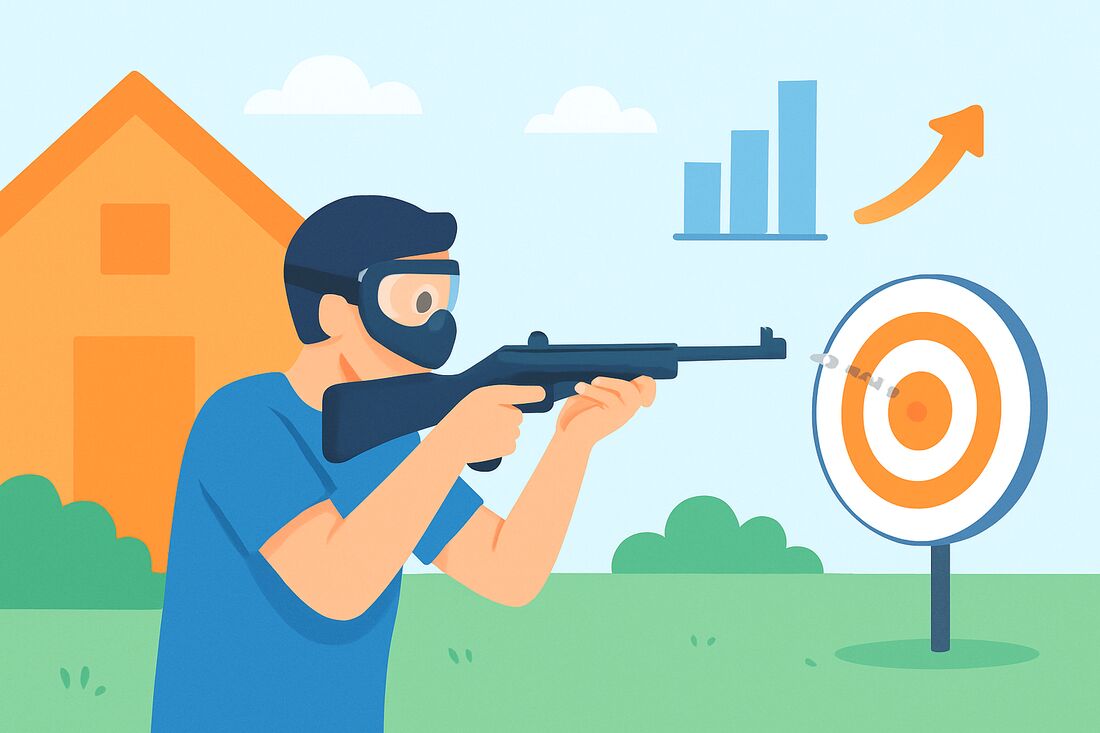
Short answer: it depends — legality hinges on state and local law, HOA or lease rules, and whether you own the property where you plan to shoot.
Pellet guns fire a single lead or alloy pellet and usually deliver more energy than BB or airsoft guns, which shoot steel or plastic rounds. Firearms use explosive powder and are regulated much more strictly, so these legal definitions matter when officials evaluate backyard shooting.
Whether can you shoot a pellet gun in your backyard often comes down to local statutes, county or municipal ordinances about discharging weapons, and how authorities classify airguns. Also check city limits rules, hunting or discharge buffers near homes, and special prohibitions in parks or conservation areas.
What to do is simple to list and simple to follow: call your non-emergency police line or municipal code office, search your city and county codes online, review state statutes, and confirm how your device is defined. Also check HOA covenants and your lease, and get written permission if you will be on someone else’s property.
Not legal advice — check current local law. Start with your city code, county ordinances, and state statutes online, and for practical guidance about shooting in town see resources about shooting within city limits.
State highlights vary a lot. For example, some California cities strictly limit discharge in incorporated areas, Illinois has special non-powder toy gun rules that can affect backyard ranges, and several Northeastern municipalities restrict discharge near dwellings; always verify the current law where you live.
Safety Guidelines to Follow
Treat every airgun as if it is loaded, never point it at anything you do not intend to destroy, keep your finger off the trigger until you are ready to shoot, and always be aware of your target and beyond. These are the core safety rules for anyone asking can you shoot a pellet gun in your backyard.
Eye protection is mandatory for shooters and bystanders; choose ANSI Z87.1-rated shooting glasses or goggles every time. Hearing protection is usually unnecessary for most low-power airguns but can be useful for long sessions or louder PCP rifles, and wear sturdy shoes and sensible clothing.
Run your range like a club: single shooter on the firing line, a clear set of range commands before anyone goes downrange, and strict safe handling at all times. When you move or finish, unload the gun, clear the action, and transport it in a locked case to avoid accidents.
Ricochet is a real danger with metal or hard surfaces; never shoot at water, glass, pavement, or thin sheet metal that can throw fragments. Always use recommended targets and backstops that match your pellet type and energy to reduce risk.
Keep a first-aid kit nearby and know basic wound care; call emergency services for any eye injury or deep wound. Young shooters must have continuous adult supervision and step-by-step instruction until they consistently follow safety rules.
Essential Gear for Your DIY Airgun Range
The backstop is the most important piece of gear. Use a commercial pellet trap rated for the projectile, build a deep dirt or sand berm behind sturdy plywood, or install an angled hardened-steel trap explicitly rated for pellets; avoid thin metal, brick, or masonry that can shatter or ricochet.
Choose targets that match your gun: paper and reactive targets are great for practice, and steel targets must be rated for the energy your pellet produces. Your basic range kit should include a chronograph to confirm FPS, a stable shooting rest or bench, spare ANSI-rated eye protection, a target retrieval pole, a small tool kit, and a first-aid kit.
Inspect your backstop for penetration, deformation, and spent pellets after every session and replace worn trap surfaces promptly. Check local rules on approved targets and ranges before building; a helpful general resource on differing regional rules is laws by state, and consider downloading the printable safety checklist and backstop diagram linked at the end of this article.
Do Establish a Safe Perimeter
Mark the range clearly with caution tape, cones, and signs that read “Range in Use — Keep Out” so passersby know to stay away. Add temporary barriers or fencing if people or pets might wander nearby during a session.
Map your shooting lane on a property plan and confirm that nothing important lies beyond the backstop that could be struck by a stray pellet. If your line-of-fire approaches a shared boundary get written agreement from adjacent owners before you shoot.
You can create a simple chart linking backstop depth to common airgun power classes, but do not rely on blanket numbers without checking authoritative sources for your exact gun. Before every session check for people, pets, and reflective surfaces, lock gates if practical, and re-inspect the backstop.
Do Get Permission from Property Owner
Whether you own or rent, get permission in writing before you set up a range; this avoids disputes and can be required by lease or HOA rules. HOAs often have specific language that bans discharge of any projectile on lots, so written clarity protects you and your neighbors.
Use a simple permission template that lists dates and times, agreed safety measures, the exact location of the range, and a short liability acknowledgement signed by both parties. Keep this signed form with your range plan and produce it if a neighbor or officer asks to see your safety arrangements.
Confirm insurance coverage with your homeowner or renter policy and consider adding liability protection if needed, and contact non-emergency police for guidance if you are unsure about local rules. When neighbors ask can you shoot a pellet gun in your backyard, show them your permission form, share your safety plan, limit hours, minimize noise, and offer a quick demo or inspection of the backstop so they can see it is safe; if you live in Illinois, review local Illinois rules that affect use and permission.
What People Ask Most
Can you shoot a pellet gun in your backyard?
It depends on local laws and neighborhood rules. Many places allow it with proper safety measures, but you should check ordinances and get permission if needed.
What laws should I check before I shoot a pellet gun in my backyard?
Check city and county ordinances and any homeowners association rules. These often cover where weapons can be discharged and safety requirements.
Is it safe to shoot a pellet gun in my backyard?
It can be safe if you use a solid backstop, keep a clear shooting zone, and never aim at people or animals. Always wear eye protection and follow basic firearm safety rules.
Do I need a permit to shoot a pellet gun in my backyard?
Permit requirements vary by location and the type of pellet gun. Contact local authorities or non-emergency police for clear guidance.
How can beginners make backyard shooting safer?
Use a proper backstop, set firm boundaries, and only shoot with a responsible adult present. Keep targets low and use protective gear like safety glasses.
Will shooting a pellet gun in my backyard bother neighbors?
Yes, noise and stray pellets can upset neighbors or create safety concerns. Tell neighbors ahead of time and choose times that are least disruptive.
Are there safer alternatives to practicing in my backyard?
Yes, consider indoor ranges, club facilities, or supervised shooting areas. These places often have safer setups and experienced staff.
Final Thoughts on a DIY Airgun Range at Home
We opened by asking whether you’d be allowed to set up a home range, and the short answer is: it depends — check state and local rules, HOA or lease limits, and get written permission when needed. If your chronograph reads 270 fps, you’ll still need to confirm local classification and adjust backstops; this piece showed the legal checklist and practical steps to verify before firing.
Having a safe backyard range gives you steady, focused practice close to home and saves trips to public ranges, but one realistic caution is liability: a poor backstop or ignored local rules can cause damage or legal trouble. Responsible adults, homeowners who get written permission, and supervised clubs or families will benefit most when they follow the safety basics we outlined.
You can now take that opening question and turn it into a practical plan: check laws, get permission, and set up a rated backstop and clear perimeter. With those pieces in place, you’ll be building a safe, responsible range that helps you improve and respects your neighbors.