
Why Is My Bb Gun Not Shooting? (2026)
Why is my bb gun not shooting? This guide gives quick checks and simple fixes you can try today.
I walk through safety steps and a 60‑second checklist to help you diagnose the problem fast. You will learn the likely causes like dead batteries, feeding jams, or gas leaks.
There are clear tests for AEGs, GBBs, and spring guns, plus the tools you should have on hand. I also explain easy fixes versus signs you should stop and call a pro.
Follow one simple test at a time and re-check after each fix. By the end you’ll know why your BB gun is not shooting and what to do next.
Troubleshooting steps
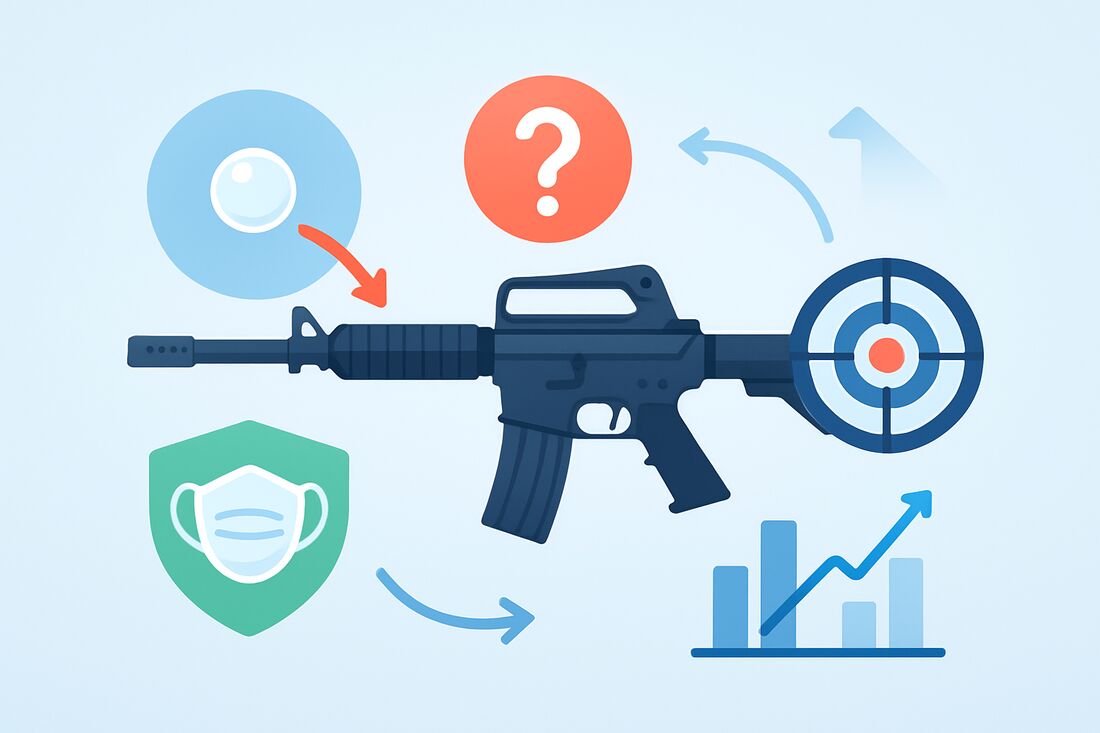
If you are asking why is my bb gun not shooting, start with a strict safety checklist before any work. Always remove the magazine, clear the chamber, disconnect the battery or CO₂/green gas, wear eye protection, and keep the muzzle pointed in a safe direction.
Remember model-specific differences because GBB, AEG and spring guns behave differently when you open them up. Treat gas blowback (GBB) systems carefully and respect the electrical risk with AEGs and batteries.
Run a quick 60-second checklist in this order: is the safety on and selector set correctly, is a magazine installed and loaded, is battery or gas present and connected, and do you see any obvious damage, burned smell, loose wires or leaks. This short sweep often rules out the easy fixes quickly.
Work through a clear, linear flow for diagnosis: identify the gun type first, run type-specific quick tests, and then isolate whether the problem is electrical, feeding, mechanical, or gas-related. Test one system at a time and re-test after every change so you know what fixed it.
Before you start, gather the right tools and supplies to avoid stopping midway through a repair. Spare charged battery, a multimeter, silicone oil, a cleaning rod and brush, a speedloader, quality BBs, a spare mag, a small screwdriver set and a bottle of soapy water for leak checks are the basics and will save time.
If you want a printable checklist or visual flowchart to follow while you work, check a concise troubleshooting guide that matches the steps above. Having that kind of reference cuts confusion when you are under time pressure.
Use a time and complexity guide to decide if you should keep going: quick fixes take five minutes or less, intermediate fixes like replacing barrels or springs take 15 to 60 minutes, and advanced gearbox or valve teardowns are for experienced techs. Document each step, and stop and consult a gunsmith if you find stripped gears, cracked gearbox shells, major leaks, or broken sears.
Problem: Nothing happens when trigger is pulled
Symptoms here vary and you should describe them carefully: absolutely no sound or movement, the motor hums but nothing fires, the trigger feels dead, or you hear a single click with no launch. How it behaves when you pull the trigger tells you whether to focus on power, feed, or mechanical parts.
When you ask why is my bb gun not shooting, the first five minutes of checks often find the issue, so confirm the safety and selector, make sure the magazine is installed and loaded, and verify the battery or gas is present and connected. Check for obvious damage like burnt wires, melted connectors, or leaking gas before you dig deeper.
For AEGs, listen for the motor: no motor sound when you pull the trigger almost always points to an electrical problem. If the motor spins or hums but the gun does not cycle, the gearbox or gear train is likely at fault and needs inspection.
AEG electrical troubleshooting starts with swapping in a known-good battery and measuring battery voltage with a multimeter. Inspect connectors and wiring for loose solder joints, melted insulation or a blown inline fuse and replace the fuse if present.
If the motor never runs after swapping a good battery, suspect wiring, the fuse, or a faulty motor; bench-testing the motor is useful if you are experienced and safe. If the motor runs but the gun still won’t fire, the gearbox might have stripped gears, broken piston teeth, a missing tappet or sector engagement or problems with the anti-reversal latch or cut-off lever.
For spring guns and GBBs, manually cock the mechanism and watch the sear and hammer/striker movement for broken parts or missing springs. Look for broken pins, loose screws or foreign objects blocking movement that can be removed without teardown.
Easy fixes include reattaching loose wires, replacing a blown fuse, swapping a bad battery or cleaning trigger contacts, and those you can do quickly. Red flags that mean stop and seek a pro include burnt wires with charring, cracked gearbox cases, severely stripped gears, or melted connector housings.
Battery Check
A common answer to why is my bb gun not shooting is a tired or faulty battery, because low or flat cells cause complete failure or intermittent firing in AEGs. Batteries are often the simplest failure point and the easiest to confirm with a swap test.
Identify the battery type and nominal voltage for your AEG before testing, since NiMH and LiPo packs use different chargers and voltages. Common packs are NiMH 8.4V or 9.6V and LiPo 7.4V or 11.1V, and using the wrong voltage or connector can cause problems or damage.
Measure resting voltage with a multimeter and inspect the pack for bulging, leaks or heat damage; if voltage is well below nominal or the pack looks damaged, replace it. To test under load, swap in a known-good charged battery — if the gun fires normally, the old battery was at fault.
Inspect connectors for corrosion, frayed wires or loose crimps and check polarity and connector type like Tamiya, Deans or XT60 to ensure good contact. Re-solder loose connections or replace damaged connectors rather than trying temporary fixes that may cause arcing.
Charge batteries with the proper charger type and follow safe LiPo charging and storage practices to extend life and avoid hazards. For full guidance on chargers, care and long-term storage, review trusted maintenance tips so you avoid common charging mistakes.
Signs of sag — where the gun fires weakly or cuts out mid-burst — usually mean the battery is aging or has insufficient C‑rating for your setup and should be replaced. Dispose of damaged batteries safely and expect replacement costs to vary by type and capacity.
Problem: BBs Jamming or Not Feeding
Feeding problems can look like BBs that never leave the magazine, BBs stuck at the feed lips, a jammed barrel or BBs that roll out of the barrel when the gun is tipped. These symptoms often point to magazine or hop-up issues rather than the gearbox or gas system.
Different magazine types have typical failure modes: hi-cap hiccups from dirty gears or weak springs, mid-cap misfeeds from misaligned feed lips, gas mags leaking from bad O‑rings, and spring mags suffering from rust or debris. Poor-quality or undersized BBs and overfilled mags also cause frequent misfeeds and damage.
Start diagnostics by removing the magazine and trying to feed BBs by hand to see exactly where they stop. Clean the feed lips and internals with a dry brush and inspect the follower and spring for wear or deformation that could prevent smooth feeding.
For gas magazines, check the nozzle and O‑rings and give them a drop of silicone oil to restore sealing, but never use petroleum-based oils on rubber seals. For midcaps and hicaps, clean the internal gears and consider replacing weak springs rather than stretching them as a long-term fix.
Swap to a fresh box of high-quality, correctly sized BBs if deformities are suspected, and check the hop-up chamber and inner barrel for obstructions and misalignment. Practice preventive care by storing BBs dry, avoiding overfilling mags and doing periodic magazine cleanings to keep feeds reliable.
Gas Rifles & Pistols
Gas systems have their own common causes for failure, including empty or improperly seated gas magazines, leaking valves or O‑rings, cold temperatures that reduce pressure for green gas, and damaged fill valves or nozzles. Weak hammer springs or a jammed blowback mechanism can also prevent firing.
Simple on-gun tests include confirming the magazine has gas and is the correct type for the gun, warming the mag slightly if it is cold, and trying a fresh, warmed mag in a warm area to rule out pressure-related faults. Swap magazines between guns to see if the problem follows a mag or stays with the gun.
Use soapy water and apply it around O‑rings, the valve stem and the magazine base to detect bubbles that show leaks, and replace worn seals when found. If problems persist despite obvious fixes, consult a short basic troubleshooting reference and consider rebuilding the valve components or getting a tech to help.
For CO₂ systems, inspect the puncture mechanism and the CO₂ seal carefully and handle spent capsules with caution during removal. If slides or bolts do not return, check slide rails, the recoil spring and the blowback assembly and seek professional help for cracked frames, severe leaks or complex valve body replacements.
What People Ask Most
why is my bb gun not shooting?
Common causes are an empty magazine, the safety being on, or a blocked barrel. Check ammo, safety, and the power source before trying other fixes.
Could a BB jam be why my bb gun is not shooting?
Yes, a stuck BB can block the barrel and stop the gun from firing. Clear jams carefully following the manual to avoid damage.
Can old or dirty BBs cause my bb gun not shooting?
Dirty or wrong-size BBs can jam or fail to feed properly. Use clean, recommended BBs to improve reliability.
Is a weak or empty power source why my bb gun is not shooting?
If your gun uses a spring, CO2, or battery, low power will prevent it from firing. Replace or recharge the power source and test again.
Could the safety or trigger lock be why my bb gun is not shooting?
Often yes—safeties and locks can block the trigger. Make sure the safety is off and the trigger moves freely before assuming a mechanical problem.
How can I quickly troubleshoot why my bb gun is not shooting?
Start by checking the safety, ammo, and power source, and look for visible jams. Follow simple clearing and loading steps from the manual before attempting repairs.
When should I take my bb gun to a professional if it is not shooting?
If basic checks don’t fix the problem or you see damage, stop and seek professional help. A technician can safely diagnose and repair issues you shouldn’t handle yourself.
Final Thoughts on Why Your BB Gun Isn't Shooting
That 270 checklist might’ve looked long at first, but using it gives you a clear, step-by-step way to answer “why is my BB gun not shooting?” Instead of guessing, you’ll quickly isolate whether it’s an electrical issue, a feeding problem, a tired battery, or a gas leak, and you’ll handle the quick fixes before they ruin a game.
Be realistic: stop and call a pro if you see burnt wiring, cracked gearbox shells, or badly stripped gears — those aren’t weekend fixes and can make things worse if you push them. This guide is aimed at players, field techs, and hobbyists who want to save time, avoid common mistakes, and get back to the field faster.
Follow the simple checks, keep batteries healthy, and clean your mags and hop-up regularly to prevent most failures; the piece showed exactly which tests to run first and which fixes are quick wins. Take it slow, document what you do, and you’ll build confidence with each repair — there’s a smoother, more reliable season ahead.