
Where to Shoot a Feral Hog in the Head? (2026)
Where to shoot a feral hog in the head? This guide answers that exact question in clear, practical terms. A good shot can end suffering; a bad one can wound the animal and make your job harder.
You will get exact target zones on the skull and step‑by‑step advice on aiming. I will explain when a head shot is the right choice and when to aim for vitals or the neck instead.
We cover angles, distances, and the ammo and gear that work best for skull penetration. Expect simple diagrams, a decision flow, and practice tips so you know when to take the shot.
Safety and legality are part of this plan. I’ll include hygiene, post‑shot checks, and reminders to follow local rules so you hunt humanely and stay safe.
Table of Contents
- Where to shoot a feral hog in the head
- Hog shot placement: head vs vitals vs neck — pros and cons
- Shot angles, distance and ballistics — how anatomy changes the aim
- Equipment & ammunition for reliable head shots
- Safety, legal and field-hygiene essentials
- What People Ask Most
- Final Thoughts on Choosing the Right Hog Head Shot
Where to shoot a feral hog in the head
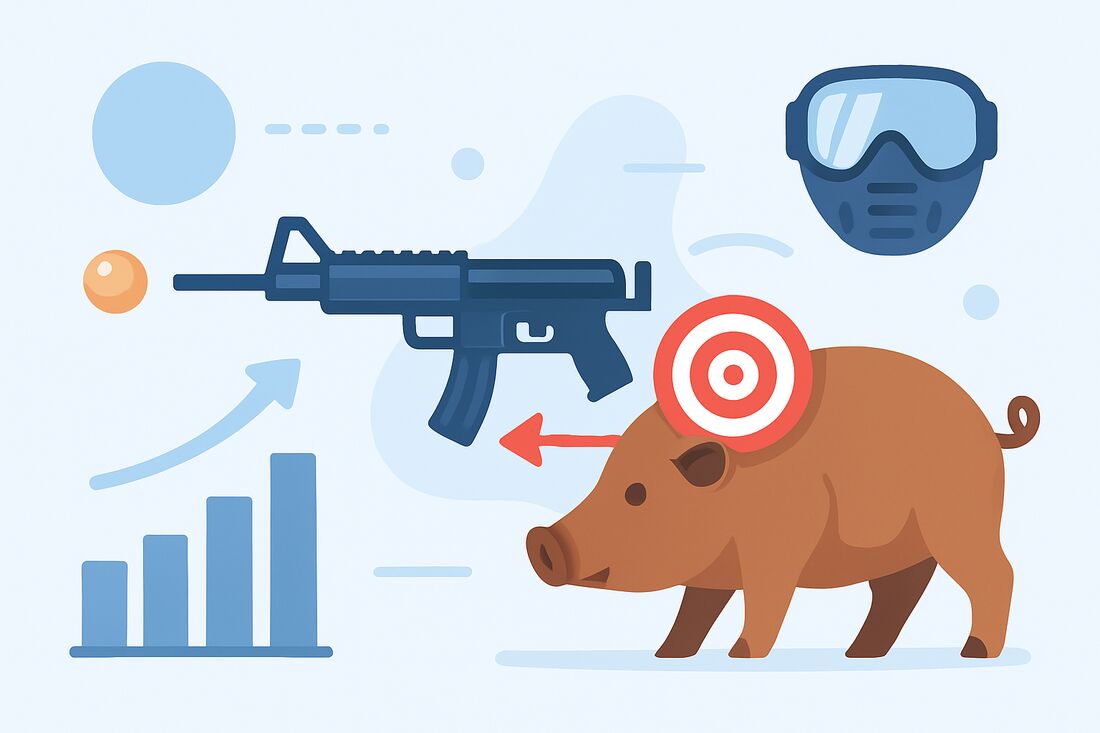
If you need a straight answer about where to shoot a feral hog in the head, aim for the base of the skull behind the ear. This spot targets the brainstem and gives the best chance of a fast, humane kill. It is the primary zone I teach shooters when conditions allow.
The side-of-head or temple area just behind and slightly above the ear is recommended when possible. A shot here has a shorter path through thinner bone to the central nervous system. It is the most reliable head target for stationary or slow-moving hogs.
Frontal shots — the center-forehead or between-the-eyes — are tempting but risky. The frontal bone is thick and often causes deflection or incomplete penetration. Only consider a forehead shot at very close range with high-penetration ammo.
Top-down shots from a treestand require a steeper aim to reach the braincase rather than the dome of the skull. Angle slightly rearward so the bullet or slug meets thinner bone toward the back of the skull. A shallow angle often causes a glance or non-lethal strike.
Attempt head shots only when you have clear conditions: close range, a calm animal, unobstructed view, and confidence in your gear. The hog brain is small and well protected, so head shots demand precision and the right ammunition. If you are unsure, pick a vitals shot instead.
Study diagrams and practice with images before hunting so the aim point becomes familiar. This hunting guide has helpful illustrations and field tips to make your practice more realistic. Visual drills build the confidence needed for these small, high-stakes targets: hunting guide.
Hog shot placement: head vs vitals vs neck — pros and cons
A head shot can be an instant kill when the brainstem is hit, and that is why some hunters practice it. The downside is the tiny target and the need for high-penetration rounds and steady aim. Misses commonly result in wounded animals that must be tracked.
Vitals shots to the heart and lungs are larger and far more forgiving for most shooters. A broadside or quartering-away angle exposes a reliable window to the lungs, which makes this the humane go-to for many situations. Expect less trailing and higher first-shot success at moderate ranges.
Neck or spine shots may stop movement quickly if done perfectly, but the margin for error is very small. Bone can deflect rounds and severing the spinal cord cleanly is difficult under stress. This option often leads to messy outcomes if the shot is off by even a little.
When deciding where to shoot a feral hog in the head or body, let angle, distance, and your confidence guide you. Close, calm, and confident with good ammo? Consider the head. Broadside or moderate distance and less certainty? Aim vitals. Running, heavy brush, or poor light? Do not risk a head shot.
Decision flow: If close and stationary with a high skill level, consider the head. If the hog is broadside at medium range, choose vitals. If you doubt your shot or the animal is moving, wait for a better opportunity.
Shot angles, distance and ballistics — how anatomy changes the aim
Angle dramatically alters what you should shoot for. Broadside best exposes vitals and places the temple in profile for a precise head shot. Quartering angles change the exposed anatomy and can hide the head or lungs.
Head-on angles give you a tiny, thick-boned target that is often not worth the risk unless you are very close. In those moments the center of the forehead or between the eyes is the aim, but expect higher chances of deflection. Be brutally honest about your range and gear before taking this shot.
Weapon type controls effective range. Handguns and shotguns are limited to very short distances for reliable skull penetration. Slugs work close up, but birdshot or light pellets are not appropriate for head shots.
Rifles provide the most consistent penetration at distance, but bullet choice matters more than caliber alone. Pick well-built bullets with good sectional density and controlled expansion to punch through bone without shattering. Avoid lightweight varmint bullets for skull work.
Ballistics and impact angle affect chances of deflection, so aim slightly behind the visual point on steep angles to compensate. Practice different angles on scaled head targets and study reputable resources for field technique and safety. Practical ground advice is useful too, and you can learn more from these ground shooting tips.
Equipment & ammunition for reliable head shots
Prioritize penetration and retained weight over extreme expansion when skull penetration is required. Well-constructed, heavier bullets such as bonded or soft-point designs hold together and transfer energy effectively through bone. Avoid frangible or tiny varmint bullets for head work.
Centerfire rifles in medium-to-large hunting calibers are the most reliable platform for consistent head shots at range. A 12-gauge slug is a solid choice for close-range dispatch from the ground. Handguns should be limited to very close shots and heavy, well-built bullets.
Optics matter: use red dots or low-power variable scopes for quick acquisition at typical hog ranges. Zero your rifle for the distances you expect to shoot and practice on targets scaled to hog skulls and body angles. Training with the exact gear reduces surprises in the field.
Safety, legal and field-hygiene essentials
Always follow legal and ethical rules. Check local regulations on methods, seasons, night shooting, and baiting before you plan a hog control action. Hunting responsibly protects you and the community.
Never take risky head shots if the line of fire crosses roads, structures, livestock, or people. Hunt with a partner when possible, have an escape route from aggressive hogs, and wear eye and ear protection. A clear plan keeps everyone safer.
After a shot, confirm the animal is dead before you approach and use gloves for field dressing. Avoid direct contact with fluids and disinfect tools and hands afterward, because hogs can carry brucellosis, pseudorabies, and leptospirosis. For detailed hygiene and disposal steps consult the best practice guide.
What People Ask Most
What should I know about where to shoot a feral hog in the head?
Focus first on safety, legality, and humane treatment rather than precise shot placement. Beginners should seek professional guidance and never attempt actions they are not trained for.
Is it legal to consider where to shoot a feral hog in the head on public land?
Laws and regulations vary widely by state and land ownership, so always check local rules and obtain necessary permits. Ignoring laws can lead to fines or criminal charges.
Are there safer alternatives to deciding where to shoot a feral hog in the head?
Yes—contact wildlife control, hire a licensed trapper, or use non-lethal management programs offered by local agencies. These options can reduce risk to you and bystanders.
What common myths should beginners avoid about where to shoot a feral hog in the head?
Avoid believing there is a one-size-fits-all solution or attempting risky shots without skill. Humane wildlife control requires training, proper tools, and adherence to regulations.
How important is training before thinking about where to shoot a feral hog in the head?
Training is essential for safe, legal, and humane outcomes. Take hunter education and firearm safety courses and gain supervised field experience first.
What equipment and preparation matter if you’re reading about where to shoot a feral hog in the head?
Prioritize safety gear, clear lines of sight, and knowing your backstop and local firearm rules. Proper preparation and practice reduce the chance of accidents.
Who should I contact instead of attempting where to shoot a feral hog in the head on my own?
Reach out to state wildlife agencies, local conservation officers, or licensed nuisance animal trappers for help. These professionals can advise on safe, legal, and humane options.
Final Thoughts on Choosing the Right Hog Head Shot
Whether you’re running a 270 or using a 12-gauge at close range, this guide aimed to make the smallest, toughest target feel doable by describing the temple/base-of-skull zone and the tricky frontal and top-down angles. You’ve got clear targets, the conditions to attempt them, and the gear priorities that make them work. That clarity is the core benefit: helping you dispatch a dangerous animal humanely and quickly when the moment is right.
Keep in mind a realistic caution: the hog brain is small and well protected, so headshots demand close range, steady shooting, and proper penetration — otherwise you risk wounding. For most situations and shooters, vitals are the safer, more reliable choice. These tips are aimed at experienced hunters and land managers who can match skill to the shot.
We opened by asking where to shoot a feral hog in the head and answered with precise zones, angle advice, ballistic notes, equipment picks, and safety steps so you can make an informed call in the field. Use what you learned, keep practicing, and approach each opportunity with respect and steady confidence going forward.