
5 Best Air Pistols for Vermin Control – Complete Guide (2026)
Looking for an air pistol that will quietly and humanely deal with mice, rats, or other small vermin on your property? Choosing the best air pistol for vermin control means thinking beyond brand names and focusing on platform, power source and practical range.
This guide is about handheld airguns only — CO2, spring or gas‑ram, regulated PCP and single‑shot pellet/BB pistols — rifles are excluded unless a pistol variant is consistently recommended by specialists. You’ll get five vetted pistol options, practical pros and cons, real‑world performance notes, plus safety and legal guidance.
To compile the list we cross‑checked specialist pest‑control and airgun retailer recommendations, reviewed reviewer roundups and hands‑on YouTube tests, and prioritised platforms that recur across independent sources. Where possible we leaned on retailer catalogues and field reviews to reflect what actual users find effective in the field.
Be aware of limitations upfront: there are fewer high‑quality comparative pistol field tests than for rifles, so much of the practical insight comes from experienced users, retailers and reviewers rather than standardized lab trials. We call out those gaps where they matter to help you set realistic expectations.
Read on for focused, practical advice to match a pistol platform to your pest profile, shooting distances and operational needs, while keeping humane dispatch, safety and local rules front and center. The aim is a useful shortlist and clear buying criteria, not a long laundry list of specs.
Table of Contents
- Crosman 2240 Ratbuster Variants
- Umarex Glock Style CO2 Pistols
- Weihrauch HW45 Pellet Pistol
- Mito Regulated PCP Pistols
- Crosman Vigilante And SNR357 Revolvers
- Safety And Legal Considerations For Pest Shooting
- Local Regulations Permits And Ethical Considerations
- What People Ask Most
- Conclusion For Best Vermin Control Pistols
1. Crosman 2240 Ratbuster Variants
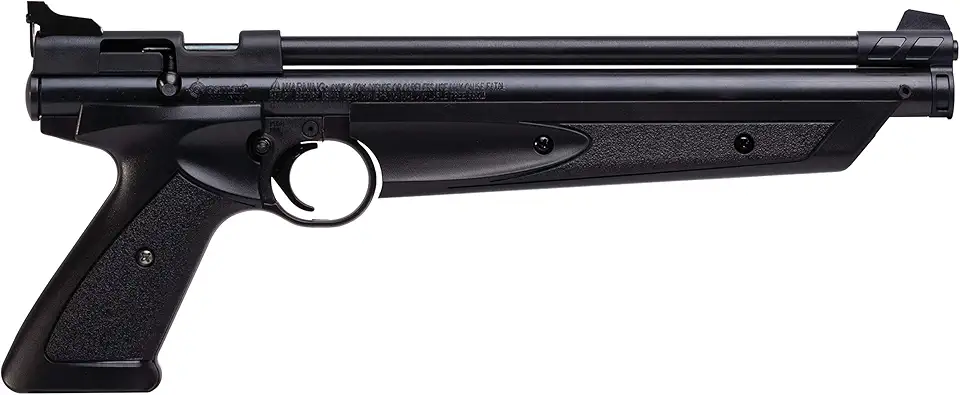
Crosman
Industry-leading airgun manufacturer offering reliable, accurate, and affordable shooting products for recreation and training.
The Crosman 2240 Ratbuster Variants sit on a compact, single-shot platform. They are commonly available in .177 or .22 calibers, with bolt‑action CO2 and pneumatic conversion kits widely used. This lineage is a popular base for aftermarket barrels, silencers and PCP conversions aimed at pest work.
Known as a compact, simple, highly moddable platform, the 2240 Ratbuster is a favorite among modders who convert it into an effective close-range vermin tool. Reviewers praise its short-range accuracy and ease of upgrading. Airgun Centre lists a “2240 Ratbuster” specifically for rat control, underscoring its pest-focused pedigree.
In practical terms, the platform remains effective at typical pistol-range pest distances, up to about 10 meters for mice or small rats, when using quality pellets and proper shot placement. Many users recommend heavy .22 pellets for better knockdown, while CO2 versions can suffer shot-to-shot consistency issues if not properly maintained. Common upgrades include single-shot PCP conversions, aftermarket barrels and transfer-port tuning to improve accuracy and velocity.
The ideal buyer is a backyard pest controller who wants a compact, highly moddable pistol and is comfortable with maintenance, tuning and short-range shot discipline. Budget-minded buyers planning upgrades will find this platform a smart long-term investment.
Pros
- Compact and easy to handle for quick close-range shots.
- Highly moddable with many aftermarket parts.
- Simple, robust mechanism; easy to maintain and troubleshoot.
- Proven effective in short-range pest tasks when tuned and using appropriate pellets.
Cons
- Out-of-box power and accuracy modest versus dedicated hunting PCP pistols; many users upgrade.
- CO2 versions can suffer consistency/power drop (cold or progressive CO2 cooling) unless managed.
2. Umarex Glock Style CO2 Pistols

Umarex SA10 .177 Cal Air Pistol
Compact ergonomic pistol with crisp trigger and accurate 4.5mm shots — perfect for precision target practice and casual plinking.
Umarex Glock Style CO2 Pistols are CO2-powered replica pistols, and some models feature blowback for added realism. They typically shoot .177 pellets or BBs, making them versatile for pest work and training. The design emphasizes realistic ergonomics and weight to mimic a firearm for quick, point-and-shoot tasks in tight spaces, such as sheds and cluttered barns, including home, barn and garden settings.
These pistols feel like real handguns, aiding fast target acquisition and intuitive aiming. Reviewers describe them as versatile for target practice and light pest control at very short ranges, where quick follow-ups matter for beginners and seasoned shooters alike. However, they caution about limited stopping power compared with dedicated hunting pistols or rifles.
Real-world data show good ergonomics and fast aiming for small rodents in sheds or near buildings, where maneuverability matters most in typical pest-control scenarios. Dispatch is usually humane but limited to very small vermin unless you place precise shots and choose appropriate ammo. Blowback models provide a realistic training feel but can slightly reduce pellet velocity.
Ideal buyers are shooters who want a realistic, easy-to-aim pistol for very close-range vermin control and training. It is well-suited to confined-space work and combined target/pest use.
Realistic handling extends to simple CO2 swaps and common consumables, so field maintenance stays straightforward. While aimed at close-range pest control and training, their realistic handling enhances sight picture and draw speed, which matters when you need fast, humane results in cluttered spaces. For the right pest profile and confined environments, they’re a compelling option.
Pros
- Realistic ergonomics and sights enable fast target acquisition.
- Simple CO2 swaps and common consumables.
- Versatile for target practice plus occasional pest shots.
- Lightweight and comfortable to carry for routine checks.
Cons
- Limited terminal power — best for very small vermin and short ranges.
- Replica legal/transport restrictions and regulatory concerns in some jurisdictions.
3. Weihrauch HW45 Pellet Pistol

Glock 17 Blowback .177 Cal BB Air Pistol
Full-size polymer-framed replica with realistic blowback, reliable BB performance and excellent training feel for shooters.
The Weihrauch HW45 Air Pistol is a large-frame pellet pistol designed for serious pest-control work, offered as both a spring/piston model and a dedicated gas-ram variant to suit different maintenance preferences. It combines high build quality with practical features like adjustable sights and an ergonomic two-hand grip option that help you place shots precisely under realistic field conditions. This blend of robust hardware and ergonomic design makes it a widely recommended precision option for short to moderate pistol-range vermin work.
Users consistently highlight its robust construction, reliable accuracy and the power it brings to a compact pistol platform used for pest work at close quarters. The heavy, predictable single-shot cycle helps deliver humane dispatch when shot placement is precise, reducing suffering and improving field results. Retailers explicitly list HW45 variants for pest control, recognizing its role in close-quarters vermin control.
In real-world use, the HW45 shows consistent one-hole groups at short distances when heavier pellets are used. It also demonstrates reliable knockdown on rats and feral pigeons, provided you respect range and pellet selection and keep a steady trigger press. Weight and size help absorb recoil and stabilize follow-up aiming, though cocking effort and recoil can fatigue the shooter during longer sessions.
Ideal buyers are shooters who prioritize accuracy, build quality and humane kills in deliberate pest-control work at short to moderate pistol ranges. If you want a robust, precise tool that remains effective across multiple pests and sessions, the HW45 fits the bill. Plan for proper maintenance to keep the long service life promised by its rugged manufacturing quality.
Pros
- Excellent accuracy and consistent shot placement.
- Robust manufacturing quality and long service life with routine care.
- Adjustable sights and good trigger for precise pellet placement.
- Effective on a range of small game at appropriate pistol ranges when using heavier pellets.
Cons
- Heavier and larger — less convenient for quick one-handed reactive shots.
- Cocking effort and recoil can be fatiguing compared with CO2/PCP pistols.
4. Mito Regulated PCP Pistols

Marshall .22 PCP Air Pistol
Pre-charged pneumatic pistol delivering powerful, consistent 5.5mm shots with exceptional long-range accuracy and minimal recoil.
Mito Regulated PCP Pistols represent a regulated precharged pneumatic option for pest control, offered in calibers like .177/.22 and built to deliver repeatable, predictable shots. They are designed for high consistency, multi-shot strings and greater usable power when compared with CO2 and spring pistols. Retailers market them specifically to pest shooters, highlighting the practical balance of power, accuracy and repeatability for vermin work.
From specialist retailers, Mito PCP pistols sit among pest-control offerings, with users praising the shot-to-shot consistency and notably low recoil. They also emphasize higher energy on target and the advantage of a stable point of impact, even as you string several shots in quick succession. The key PCP benefits highlighted are a stable POI, many shots per fill and performance less affected by temperature than CO2 equivalents.
In real-world practice, these PCP pistols enable fast follow-ups with reduced vibration, making repeated close-range pest control more efficient against rats and other medium small game. However, you must factor in the need for an external charging source—hand pump or tank—and routine pressure checks to maintain peak performance. Maintenance is a bit more involved than simpler CO2 or spring pistols, but the payoff is consistent power and repeatable accuracy.
Ideal buyers are serious pest-control operators who need multiple consistent shots, enhanced power and low recoil, and who are comfortable with PCP charging gear and upkeep. This platform suits those working in sheds, barns or other confined spaces where rapid follow-ups and humane dispatch matter most. Overall, the Mito Regulated PCP Pistols offer a compelling blend of power, accuracy and repeatability for vermin control if you’re ready to invest in maintenance.
Pros
- Excellent shot-to-shot consistency and low recoil.
- Higher effective power and usable energy on target than many CO2 pistols.
- Multiple shots per fill and quick follow-ups.
- No CO2 cooling issues; more temperature-stable performance.
Cons
- Requires external charging equipment and more maintenance knowledge.
- Higher complexity and cost of servicing/repair than simple CO2 or spring pistols.
5. Crosman Vigilante And SNR357 Revolvers

Crosman SNR357 Snub Nose .177 Cal Pellet/BB CO2 Revolver
Compact snub-nose gas-powered revolver offering pellet and BB versatility, smooth trigger, and concealed-friendly handling for close-range shooting and plinking.
Crosman Vigilante and SNR357 are revolver‑cylinder CO2 pistols available in .177/.22; some models offer adjustable sights and full‑metal construction for good balance. That combination gives a sturdy feel, reliable handling and predictable balance for close‑range pest work. The full‑metal construction also contributes to durability during long days of barn or shed pest checks, where quick draws and repeated shots are common. The ergonomic grip and solid frame translate to confident aiming when you need fast, humane pest dispatch at short distances.
Praised for durability, cylinder reliability and decent accuracy for a revolver pistol; reviewers include them in pest‑pistol roundups. Owners value the multi‑shot cylinder for field use and fast follow‑ups. The multi‑shot cylinder positions the Vigilante/SNR357 as a practical option for pest controllers who want range of fire without constant reloading. Reviewers repeatedly note the cylinder’s reliable operation, which helps maintain a steady pace through a session.
Real‑world practical data: Revolver format is handy for quick follow‑ups on startled rodents; adjustable sights assist short‑range head‑shots. Heavier pellets can improve terminal effect but may affect cylinder capacity or CO2 behavior; occasional indexing/timing maintenance required with heavy use. This means you’ll want to keep an eye on indexing and seals to preserve performance in field conditions.
Ideal buyer / user: Casual to regular pest controllers who want multi‑shot capability in a compact, robust metal handgun for barn/shed duty. The revolver format is well suited to field use where reliability and quick follow‑ups matter most. If you want a durable, multi-shot option that remains practical for everyday pest tasks, this family is worth considering.
Pros
- Multi‑shot cylinder enables fast follow‑ups.
- Solid metal build and balance aid stable aiming and field durability.
- Adjustable sights on some models improve short‑range accuracy.
- Some models accept BBs or pellets, providing ammunition flexibility.
Cons
- Limited effective range and stopping power compared with rifles.
- CO2 dependence can cause consistency issues in cold weather; occasional cylinder timing/indexing problems reported.
Safety And Legal Considerations For Pest Shooting
Safety with pest-control air pistols isn’t optional; it’s the baseline. Treat every session as if you were handling a real firearm: muzzle discipline at all times, keep your finger off the trigger until you’re ready to shoot, and never point at anything you don’t intend to hit.
Do a quick risk assessment before you begin. Identify hazards in the area, secure the scene, and exclude bystanders. If you can, bring a spotter and make sure landowner permission is in place.
Set practical limits on range and backstops. Most pistols are most accurate and humane at close ranges; limit shots to about 30 m for accuracy, with pest work typically effective to ~10 m. Always verify a safe backdrop to catch pellets, avoiding glass or hard surfaces that can cause ricochets.
Inspect pellets before loading and match them to the pest and environment. For humane dispatch, prefer domed or hollow-point designs where appropriate and permitted.
Eye protection is mandatory; use ANSI Z87.1-compliant safety glasses to guard against ricochets and debris. Keep the weapon well maintained. Clean the barrel, check seals, and follow the manufacturer’s service intervals so the gun stays reliable when you need it.
Be mindful of local power limits and hunting rules. Choose a pistol powerful enough for a clean kill but do not exceed legal limits. In many regions, something around 11 ft‑lb is the lower bound for humane effect, while some jurisdictions cap power at 12 ft‑lb or require a firearms license above that ceiling. If you’re unsure, treat it as a potential firearm and check the law before carrying in public.
Never rely on air pistols as substitutes for legal pest control methods. In some places, using a high-powered pistol without the right license can be illegal. Always document your non-lethal alternatives first and only escalate to a lethal option when truly necessary and legal.
Local regulations vary widely, so verify power limits, public carry rules, and land-use requirements where you shoot. Obtain landowner permission and any permits; follow industry codes of practice for legal and ethical procedures.
On ethics, prioritize humane outcomes: fit the gun, ammo, and shot placement to the target, and stay courteous and professional in all interactions. If something feels marginal legally or ethically, don’t do it—walk away and revisit a safer approach or consult authorities.
Local Regulations Permits And Ethical Considerations
Local regulations for vermin control with air pistols vary by country and region, and they can shift with local conditions and land access. In the UK, England, Wales, Scotland and Northern Ireland each have their own power limits, public-carry rules and land-use requirements. Before you pick a pistol for vermin control, check your local laws to understand what is allowed, what needs registration, and where you may shoot.
Always secure landowner permission and check if any permits are required for vermin-control work. In many areas, unlicensed use of high-power pistols is illegal, and using a pistol on private property without explicit consent can bring fines or criminal charges. Obtaining written permission and any required approvals keeps you compliant and protects your reputation as a responsible operator within the community and with authorities.
Follow industry codes for lawful and ethical vermin control. The BPCA Code of Best Practice outlines safe handling, humane dispatch, and documented decision-making. Adhere to those guidelines and tailor your approach to the site, bystanders and non-target species; when in doubt, lean toward non-lethal methods or securing the area while you assess options.
Ethical practice means aiming for humane outcomes: select power and caliber to achieve a clean kill or humane dispatch, typically .177 or .22, and place shots carefully; use appropriate pellets and verify your setup to minimize suffering and avoid overkill. Document non-lethal measures you’ve tried first, and keep records. Act with courtesy and professionalism on every job, as your conduct reflects on the sport.
Finally, consider how you shoot. Lone shooting should be avoided unless you’re in a fully secured area, and if a session is in a shared space, bring a spotter to keep an eye on safety and bystanders. That oversight helps you react quickly to misfires or stray pellets and reinforces responsible practice.
What People Ask Most
What is the best air pistol for vermin control?
There’s no single best option; the right choice depends on your pest type, range and environment. Look for a model that is reliable, easy to handle at close distance, and compliant with local rules and humane dispatch practices.
Are air pistols effective for vermin control such as rats and mice?
Air pistols can be effective for very small pests in close quarters when used properly. For larger rodents, their capability is more limited, and other tools may be needed.
What caliber is best for vermin control with an air pistol?
Caliber choice depends on the pest and the pistol; there are common options noted for pest work. In practice, it is important to choose a caliber that supports humane dispatch and complies with local regulations.
How accurate does an air pistol need to be for vermin control?
Close-range accuracy is important for humane dispatch. Even with a pistol, precise shot placement makes a difference in clean, quick removal of pests.
What safety considerations should you know when using an air pistol for vermin control?
Treat air pistols with the same safety protocols as firearms: muzzle discipline and keeping your finger off the trigger until ready. Conduct a risk assessment, secure the area, and wear eye protection. Check pellets for damage before loading and maintain regular barrel and seal care to ensure reliability.
What features should you look for in an air pistol for vermin control?
Look for reliability and ease of maintenance, with handling suited to close-range work. Ergonomics and clear sights aid quick aiming, and consider compatibility with common pellets and available upgrades or spare parts.
Can you use an air pistol for indoor vermin control?
Indoor use is subject to local regulations and the specifics of the space. If allowed, ensure a suitable backstop and that area is secured from bystanders; you may require oversight or a spotter for safety.
Conclusion For Best Vermin Control Pistols
This conclusion recaps five vetted pistol types for vermin control: the compact, moddable Crosman 2240 variants; Umarex Glock-style CO2 pistols; the Weihrauch HW45; the Mito regulated PCP pistols; and the Crosman Vigilante / SNR357 full-metal CO2 revolvers. Each offers distinct tradeoffs in power, consistency and field practicality, across short-range pest tasks and varying maintenance needs.
The takeaway is to pick the platform that best matches your pest profile, engagement range and operational preferences, while always prioritising safety, legal compliance and humane dispatch.
To keep improving, explore more articles on our site to sharpen your handling, maintenance and decision-making in pest control.
Have thoughts to share? Leave a comment below; we usually reply within a few hours.