
5 Best Camos for Colorado – Complete Guide (2026)
Ever wondered which camouflage actually disappears on Colorado’s famously mixed backcountry—where spruce timber collapses into rocky benches and sage flats roll toward patchy snowfields? This guide compares five camo families that seasoned Colorado hunters and field-workers reach for when terrain, light, and season all change on a dime.
We’ll cover the settings that matter most: timbered draws, foothills and transition zones, rocky alpine benches, open sage and high‑plains, plus those awkward patchy‑snow benches that fool a lot of patterns. Each landscape has its own texture, color palette, and typical engagement distances, so one pattern rarely fits every situation.
You’ll see how terrain tones, shadow density, and typical sightlines alter a pattern’s usefulness, and why testing a camouflage in situ is non‑negotiable. Color match is important, but so are scale, contrast, and how a print breaks a human outline at both close and long ranges.
In the product sections that follow I lead with the intended environment, summarize user reports from hunters and field testers, and lay out clear pros and cons for practical decision‑making. Expect recommended use cases that point to spot‑and‑stalk, glassing, long‑range rifle work, or alpine bench hunting rather than abstract praise.
Fabric choices, layering strategy, and noise profile get a dedicated look because a great print on noisy nylon still gives you away. I also address seasonality—what to wear in green summer draws versus late‑season brownouts and after the first snows.
If you want a camo plan that matches real Colorado conditions rather than marketing claims, read on; the right family for your primary terrain—and a smart secondary option for contrasts—will save hikes, shots, and frustration. The next sections make swapping theory for field reality quick and practical.
Table of Contents
- Sitka Optifade Subalpine Pattern
- Kuiu Valo Camouflage Pattern
- First Lite Elevated II Subalpine Pattern
- Kryptek Highland Alpine Typhon Variants
- MultiCam Family Camouflage Pattern
- Choosing Camo Based On Environment
- Seasonal Camouflage Considerations
- What People Ask Most
- Conclusion For Best Camo In Colorado
1. Sitka Optifade Subalpine Pattern

SITKA Gear Men's Core Lightweight Hoody
Lightweight, breathable hoody offering thermal warmth, moisture management and unrestricted mobility for active layering in cool-weather hunts.
Sitka Optifade Subalpine Pattern is a purpose-built hunting pattern designed for wooded, vegetated/brushy environments where understory breakups and shadowed terrain dominate. It mixes large- and small-scale disruptive elements and color tones that mirror forest underbrush, branches, and leaf litter. In Colorado, it shines in timbered foothills and mid-elevation conifer/deciduous edges, ideal for close-to-medium-range ambush and spot-and-stalk, with effectiveness noted within about 50 yards per Sitka guidance.
Field and user reports consistently note that Sitka Optifade Subalpine Pattern excels at breaking the human outline when you’re navigating shaded forest canopies and mid-distance brush where contrasting textures break up your silhouette. It’s a common recommendation for mid- to late-season spot-and-stalk elk hunts, where multi-layer concealment matters as temperatures drop and visibility shifts. It remains less optimal in open sage/grass country and on bright snowy ground, where higher contrast backgrounds reduce effectiveness.
Practical performance centers on optimal concealment in shaded, textured backgrounds such as trees, brush piles, and dense understory where breaks in color and texture are most effective at disrupting recognition. Layering and fabric choice—such as GORE‑TEX shells and insulation—affect comfort, breathability, and noise levels during long moves. Pair pattern garments with quiet fabrics for stalking and layered insulation for seasonality, so you can stay hidden as conditions shift.
Ideal buyers include spot-and-stalk elk/mule deer hunters in timbered/foothill zones needing multi-range concealment. The pattern is frequently recommended by experienced Colorado hunters. In timbered settings, Subalpine’s mix of disruptive elements helps break up a hunter’s silhouette at close to mid-range.
Availability across garment types and quiet technical fabrics makes Sitka Optifade Subalpine Pattern easy to build a layered kit for changing seasons. It remains a flexible option for timbered terrain where multi-range concealment matters.
Pros
- Strong silhouette/outline disruption in timber and brush.
- Versatile across mid-season foliage shifts due to mixed palette.
- Available across many garment types and quiet technical fabrics.
- Frequently recommended by experienced Colorado hunters.
Cons
- Not optimal in open high-plains/sagebrush.
- Performs poorly on bright snowy ground and bare alpine rock.
2. Kuiu Valo Camouflage Pattern

Kryptek Men's Valhalla Hunting Pant
Durable, weather-resistant pants with articulated knees and reinforced seat for silent movement, comfort, and protection during rugged hunts.
Kuiu Valo Camouflage Pattern is a multi-terrain, high-contrast camouflage pattern designed around macro- and micro-layering with Western-tuned colors. It’s built to read well across Colorado’s mixed environments, from timbered edges to sunlit clearings. The goal is a single pattern that stays effective as you move between shade and open ground, keeping you adaptable on long approaches and quick stalks.
Valo shines in foothills and the transition zones between timber and open country, and it’s also well-suited to mixed timber/open slope hunts. You’re covered from close brush to mid-range sightlines, which helps you stay concealed without swapping kits. This makes it a practical option for backcountry hunters who crave flexibility.
Field reports on Kuiu’s pattern emphasize its solid do-it-all nature for mixed terrain. Kuiu fabrics—from lightweight to midweight—are praised for packability and quietness, which matters on long approaches and careful stalks. In extremely dense, shadow-heavy timber, Valo can read slightly bold, though most setups still perform well in moderate timber.
Practically, Valo is effective across variable terrain and engagement ranges—from close brush to longer sightlines. The construction supports aggressive stalks and long hikes, with stretch panels and quiet fabrics that move with you rather than fight you.
Ideal buyers are Western hunters wanting one primary camo for both timbered and open scenarios, plus packable/mobile gear seekers who value layering for seasonal shifts.
Pros
- Versatile across mixed terrain; reduces need to swap patterns.
- Quiet, comfortable fabrics with good mobility.
- Packs well and works across seasons when layered properly.
- Frequently recommended on hunter forums for Colorado trips.
Cons
- Slightly too contrasty/dark in very dense timber where Subalpine-style patterns blend better.
- Not ideal for open, pale sage/shortgrass plains at long range.
3. First Lite Elevated II Subalpine Pattern

First Lite Men's Uncompahgre Foundry Jacket
Insulated, breathable jacket combining camo concealment, windproofing, and a streamlined fit for cold-weather stalking and extended stays.
First Lite Elevated II Subalpine Pattern is part of Western big-game patterns (Elevated II, Corvus, Subalpine-style) emphasizing macro-contrast and multilayer disruption. It targets silhouette breaking across multiple distances and terrains. The design is built for rugged mountain hunts where long moves demand quiet, durable fabrics.
In Colorado, it works across timber, alpine benches, and transitional brush country, making it a solid choice for elk and mule deer hunts. The pattern’s macro-contrast is tuned to long ascents and brushy transitions, helping you stay concealed as you move through mixed terrain.
Field reports note patterns designed around western terrain and silhouette breaking at various distances. Users praise quiet, durable fabrics that resist brush abrasion during long hikes. It is frequently compared with other top patterns and preferred by some for specific elevations and tones.
Practically, it performs well in multi-elevation hunts when the pattern matches the predominant terrain. Technical features such as breathable base layers and stretch softshells aid quiet movement and comfort.
Ideal buyers are serious Western backcountry hunters needing technical fabrics and regionally tuned patterns. If you hunt the backcountry in varied elevations and brush, this pattern can cover you.
Pros
- Strong concealment in varied mountain terrain when correct pattern selected.
- Durable, quiet materials suitable for rough brush and long hikes.
- Wide range of garment weights/layers for season matching.
- Commonly grouped with top Colorado choices.
Cons
- Effectiveness depends on choosing the correct pattern for the environment.
- Premium product lines can lead to over‑specialization; may require multiple kits.
4. Kryptek Highland Alpine Typhon Variants

Outdoor Cap TAC-600 Standard Kryptek Highlander
Structured cap featuring Highlander camo, adjustable fit, and durable fabric for comfortable, low-profile protection on the trail or range.
Kryptek Highland Alpine Typhon Variants use multi-scale disruptive geometry designed specifically for rocky, alpine, and foothill terrain. Typhon is the darker low-light variant in the lineup, offering a different option when shadows are long or light is scarce. These patterns aim to disrupt the silhouette by blending with rocky textures and sparse vegetation, and they adapt to variable microtextures across talus, scree, and fractured rock faces, making it a solid choice for rugged backcountry hunts.
In Colorado, it works well on rocky alpine benches, where lichen and rock mixes create complex backdrops that this pattern can mimic from granite slabs to mossy ledges, allowing a natural blend across varied rocky textures. Transitional slopes with moss-covered rock and sparse vegetation are also a good match, helping the wearer blend into varied micro-environments from shady gullies to sunlit ledges. Additionally, Typhon is used by some hunters in low-light or shadow-dense scenarios, giving additional concealment when rock textures are the backdrop.
Field reports say it blends well with rock/lichen textures and broken alpine terrain, with honeycomb-style elements providing disruptive value at multiple distances, especially where rock shadows and light patches vary across the view. It can be too busy for open sage flats or heavy timber, particularly when a simpler silhouette is needed at long ranges. Practical performance shows it’s good for glassing and concealment on rocky benches when the background texture matches your line of sight, and many hunters use it as part of a multi-pattern kit for terrain transitions; ideal buyers are those spending significant time on rocky ridgelines, alpine benches, and lichen-dominated areas, with durable, tactical-style garments built for rough use.
Pros
- Excellent blend with rocky/lichen-covered alpine benches.
- Disruptive geometry effective at multiple ranges on suitable terrain.
- Useful as part of a multi-pattern kit for terrain transitions.
- Durable, tactical-style garments built for rough use.
Cons
- Not ideal in open sage/shortgrass plains or dense timber.
- Pattern can be too busy for mixed, low-contrast environments.
5. MultiCam Family Camouflage Pattern

Gear Aid Camo Form Self-Cling Reusable Fabric Wrap 2 x 144 in Multicam
Reusable self-cling fabric tape molds to gear, providing quiet, non-residue camouflage and abrasion protection for rifles, bows, and equipment.
MultiCam family Camouflage pattern is a versatile, multi-environment system designed to adapt across varied Colorado terrain. It covers variants such as Arid, Alpine, and A-TACS/Arid, aimed at lighter rock, snow, and arid grass scenarios.
Its design goal is to reduce detectability across changing lighting and color conditions, from sunlit grass to shadowed rock. In Colorado open high-plains, sagebrush flats, pale-grass foothills, and late-season patchy-snow benches, the Alpine variant helps blend into snowy or rocky alpine environments.
Field reports note it performs well on open country and in mixed-light conditions due to its muted, blended palette. Many hunters prefer it for mule deer glassing and long-range stalking on the high plains.
Comparative tests show better long-range disappearance on light-toned grass/rock than dark timber patterns. However, as a generalist design, it may underperform specialized prints in very specific micro-environments.
Practically, it offers strong long-range concealment in open terrain where color match to tans, browns, and greys matters. The Alpine variant helps blend into patchy snow and bare rock at higher elevations.
Ideal buyers include hunters on open sage/grass country or rifle hunters needing long-range concealment. It’s also suitable for those who want a generalist open-terrain pattern.
Widely available in many garment types and field-tested by tactical users. The Alpine variant is particularly supportive for patchy snow at higher elevations.
Pros
- Effective at long-range concealment on light-toned open terrain.
- Versatile across sunny and variable lighting conditions; good for glassing.
- Widely available in many garment types and field-tested by tactical users.
- Works well in patchy snow when using Alpine/snow-specific variants.
Cons
- Less effective in dense timber and deep shadows compared to Subalpine-style patterns.
- May underperform specialized prints in very specific micro-environments (heavy lichen, shadowed conifer stands).
Choosing Camo Based On Environment
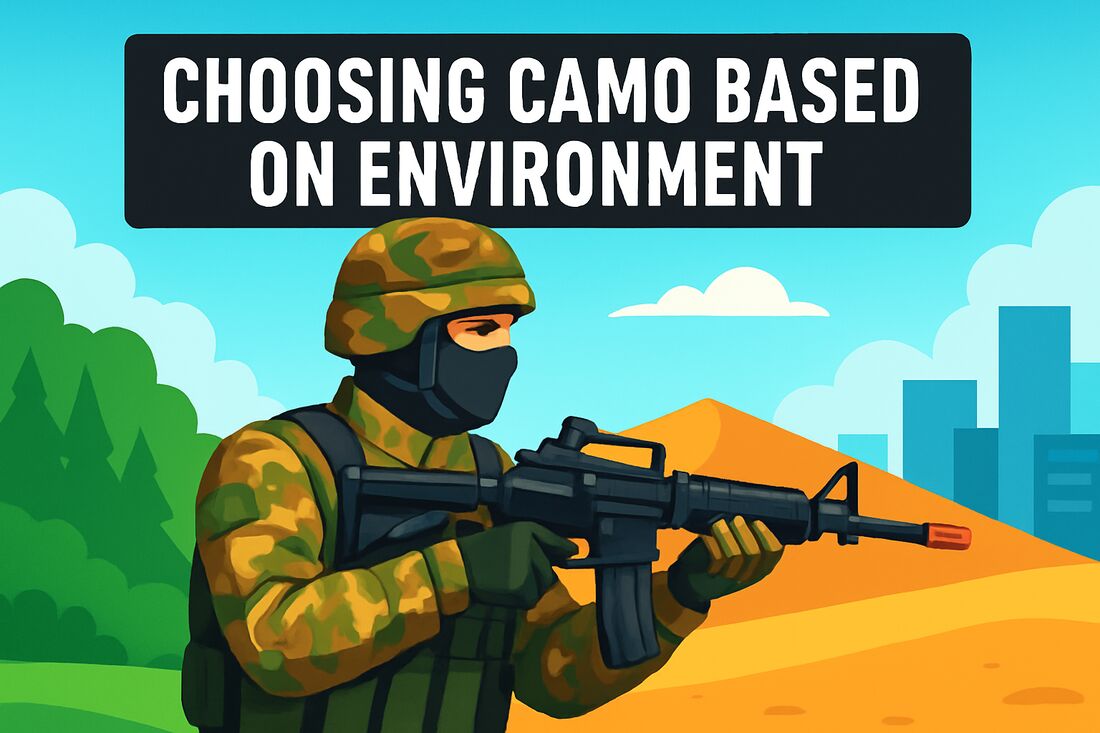
Choosing camo starts long before you step into the field. It begins with a quick scout of dominant colors, textures, and light in your intended spots, then you compare how those elements shift with the season. Identify your primary terrain: timbered draws, foothill transitions, rocky benches, or open plains, and map your kit to what you’ll actually see and engage at the typical distances you’ll be moving in real-world hunts.
In forested and wooded areas, go with greens, browns, and grays in disruptive speckle patterns that mimic trunks, branches, and understory. Patterns that break the silhouette in shaded brush perform best, especially when light is dappled through the canopy. Look for palettes that blend into conifers and dense thickets, and choose fabrics that stay quiet and flexible as you move through needles and brush piles.
In open grasslands, prairies, and riverbanks, lighter, muted palettes win. Think tan-greens and gray-browns that blend with tall grasses and pale margins. Multicam and Bottomland variants fit well here, with arid versions staying effective on pale grass and long sightlines, because the goal is to reduce contrast against exposed ground and open sky.
For rocky and high-altitude terrains, patterns that mimic rocks, lichens, and sparse alpine vegetation shine. Grays, browns, and muted greens with irregular, shadowy breakups help you disappear on exposed rock, scree, and mossy ledges. Avoid high-contrast solids; rugged, irregular designs blend with granite and stone, letting your silhouette smear into the texture rather than stand out.
Testing is essential. Try the pattern in the exact spot you’ll hunt to judge disappearance at typical engagement distances, because micro-variations in rock, brush, and light flip concealment. If you cross terrain, carry a versatile multi-terrain option or a secondary specialized pattern for transitions.
Seasonal Camouflage Considerations
Colorado’s seasons turn the landscape into a moving target, so your camo plan has to ride with the backdrop rather than linger on a single pattern. In summer and fall, green-heavy, shadow-breaking patterns win out because they merge with dense foliage and the ever-shifting patches of light you’ll encounter in timber and brush. Patterns like M81 Woodland or tiger-stripe-inspired designs excel here, with greens, browns, and grays dominating coniferous and oak woodlands to add depth at close to mid-range as shadows flicker across trunks.
Spring arrives with fresher growth and sunlit gaps along riverbanks and open grass edges, so your camo needs to interpolate between bright greens and the darker understory without looking mismatched. Favor lighter grassy or riverbank patterns that ride the new growth instead of clashing with it, providing a believable transition as vegetation floods the landscape with color. Bottomland or Subalpine-like prints give you the right balance for emerging vegetation and open fields, letting you glass and move without drawing unnecessary attention.
Winter turns Colorado into a pale, rocky stage where sunlit ridges reflect light differently and shadows deepen, so you must switch to snow camo that blends with bare rock and white patches. Alpine or snow-specific variants help you navigate patchy snow transitions where the ground isn’t uniformly white, keeping your silhouette broken in high-contrast light. Think in terms of texture—granular snow, crusted ice, and exposed rock—so patterns that imitate both color and surface irregularities perform better than flat white blankets.
Adaptation strategy: Observe seasonal shifts and plan ahead; dormant grasses turn tan and light-brown, while wet, mossy rock zones demand greens and grays that echo lichen and damp stone. Layering remains essential—base layers, soft shells, and quiet fabrics help you stay mobile and stealthy as weather and activity swing between long hikes and ambushes. If possible, carry a secondary pattern for quick swaps when you move between open flats and timber edges, reducing the risk of an obvious color jump.
What People Ask Most
What is the best camo for Colorado hunting?
The best camo depends on the dominant terrain you plan to hunt in Colorado. Match your pattern to timber, brush, open plains, or rocky benches, and consider carrying a secondary option for different environments. Test patterns in your hunting spot to see how well they disappear at typical engagement distances.
What camo is best for Colorado elk hunting?
For elk hunting, choose a pattern that works in timbered foothills and brush where elk habitat often overlaps with stalks. A camouflage approach that disrupts your silhouette at close to mid-range can help during approaches and ambushes. Layer with quiet fabrics to stay comfortable in variable Colorado conditions.
What camo pattern works best in Colorado mountains?
Patterns that mimic rocks, lichens, and sparse alpine vegetation are well suited to Colorado mountain terrain. Avoid high-contrast solids, and look for irregular designs that break outlines in rocky backgrounds. Testing patterns in the exact habitat helps verify how well they blend at typical engagement distances.
What camo should I wear for Colorado deer hunting?
Choose a pattern that matches deer habitat, including timber, brush, and transitional zones. A versatile pattern that works across mixed terrain helps in deer hunts. Layer with quiet fabrics to adapt to seasonal changes and activity level.
What camouflage is best for Colorado snow?
Switch to snow-appropriate camouflage that blends with whites and grays in snowy Colorado conditions. Look for patterns designed for patchy snow and rock transitions to stay concealed as terrain changes. On-site testing in snow helps confirm performance.
What camo works best in Colorado timber and brush?
Choose a pattern that disrupts your silhouette in shaded timber and brush backgrounds. Look for greens, browns, and grays that resemble trees and understory. Test the pattern in actual timber to ensure it blends well at typical distances.
What is the best color camo for hunting in Colorado?
Select colors that blend with the dominant terrain colors, such as greens, browns, and grays. Avoid high-contrast or overly bright prints that draw attention. Consider a versatile pattern that performs across multiple environments.
Conclusion For Best Camo In Colorado
To maximize concealment in Colorado, align your primary camouflage with the dominant terrain you expect to hunt and carry a secondary option for contrasting environments. This approach keeps you adaptable across timber, open sage, rocky benches, and patchy snow.
Prioritize quiet, durable fabrics and layer garments to adapt to season, weather, and activity level. Layering lets you scale insulation and wind protection as conditions shift.
The covered camouflage families correspond to Colorado’s main environments: timber/subalpine, mixed terrain, multi-elevation, rocky alpine, and open or patchy snow.
Test patterns in the field and lean on forum guidance and manufacturer insights to fine-tune your choices.
As you sharpen your concealment approach, explore more articles on our site to broaden your practical options. Feel free to leave a comment with your experiences—our team typically replies within a few hours.