
Can You Fill a PCP Airgun With a Regular Compressor? (2026)
Can you fill a PCP airgun with a regular compressor? Short answer: most regular home or garage compressors will not safely fill a PCP without extra gear or serious limits.
This article gives a clear yes-or-no answer up front. It will define “regular compressor” and “PCP/high‑pressure compressor” in simple terms so you know the difference.
You will learn the pressure ranges and why they matter, the risks of oil or water contamination, and safe filling options like hand pumps, SCUBA/HPA tanks, boosters, or purpose‑built PCP compressors. I will also show when a regular compressor can work and when to stop and buy the right kit.
Expect a short TL;DR, PSI↔BAR examples, a buying checklist, and a step‑by‑step safety guide you can follow. Always check your gun and tank manual and consult a professional if you are unsure.
Table of Contents
- Can you fill a PCP airgun with a regular compressor?
- Pressure requirements for PCP airguns
- PCP filling options — compressor vs hand pump vs SCUBA/HPA tank (pros/cons & when to pick each)
- Guide to buying a PCP compressor (what to prioritize)
- Safety, best practices and step-by-step filling procedure
- What People Ask Most
- Final Thoughts on Filling PCP Airguns
Can you fill a PCP airgun with a regular compressor?
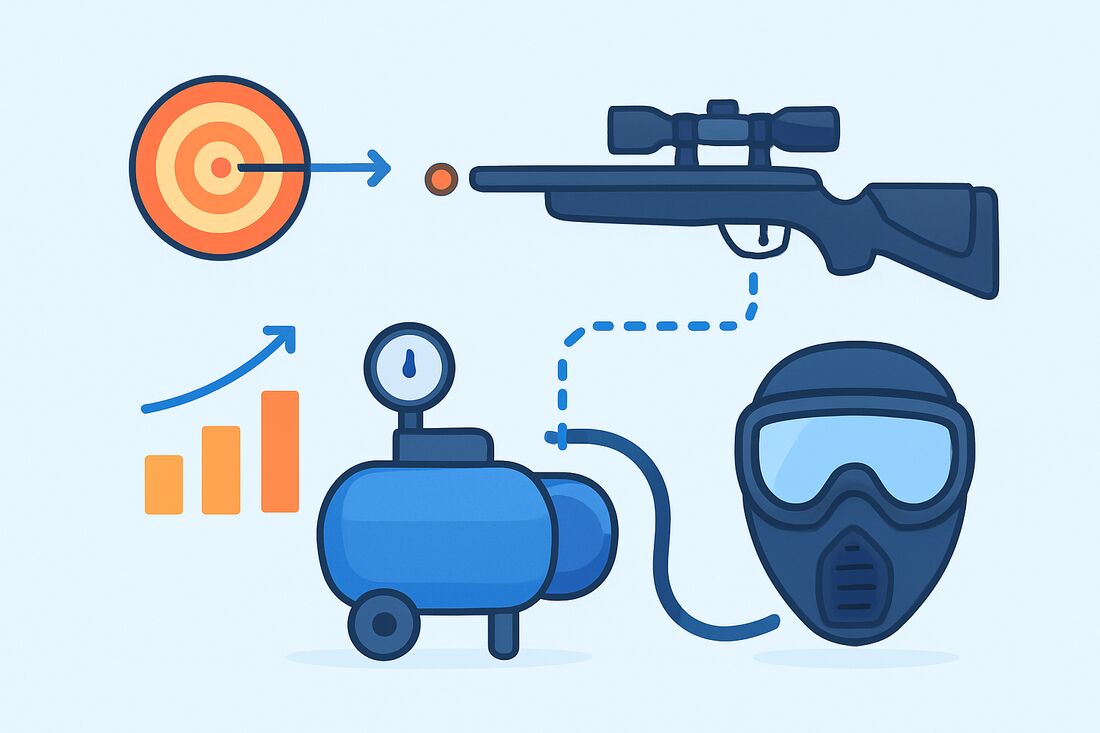
TL;DR: No — in most cases you cannot fill a PCP airgun with a regular compressor because home compressors don’t reach the pressure or provide clean, oil‑free air required for PCP systems. For occasional field use a hand pump can work, for regular shooting invest in a high‑pressure PCP compressor, and for range fills rely on a properly rated SCUBA/HPA tank or booster. Improvising with the wrong gear risks valve damage, oil contamination and serious safety issues.
Short answer: can you fill a pcp airgun with a regular compressor? No — a typical garage or shop compressor is not suitable unless it is specifically built to provide very high pressure and clean, dry air. Only rare, multi‑stage or purpose‑built units that list 3,000+ psi output should be considered for PCP work.
By “regular compressor” I mean standard home or garage units that usually top out at 90–150 psi, often oil‑lubricated and meant for tires, nail guns, or shop tools. By “high‑pressure/PCP compressor” I mean specialized multi‑stage compressors or boosters that produce 3,000–4,500+ psi and include coalescing filters and dry air delivery for airgun reservoirs.
Regular compressors fail the job on two big fronts: pressure and air quality. They cannot reach the thousands of psi a PCP needs, and oil or water in their output can ruin airgun valves and seals if not removed by proper filtration.
Attempting to force a normal compressor to push beyond its design stresses the pump and motor and often overheats the unit because of poor duty cycle and cooling. This can cause mechanical failure or create unsafe situations if the compressor’s safety features are bypassed.
There are exceptions: a regular compressor can feed a booster, a cascade setup, or fill an intermediate HPA tank that a booster then uses to top a PCP bottle, but those systems must be rated for the pressures involved and fitted with filters and relief valves. Alternatively, having a dive shop or certified station fill a rated HPA/SCUBA tank gives you portable high pressure without buying a PCP compressor.
Bottom line: don’t improvise just to save money — if your goal is safe, reliable PCP fills, stop when your equipment can’t reach the reservoir’s stamped pressure and buy or rent the correct gear. Ignoring ratings risks damage, injury, and may break local regulations or warranty terms.
When NOT to use a regular compressor: if the reservoir requires over a few hundred psi, if the compressor is oil‑lubricated without proper coalescing filters, or if the unit cannot sustain the duty cycle to reach the needed pressure. Using a standard compressor in those cases will likely contaminate the air and fail to deliver sufficient pressure.
When a regular compressor CAN work is limited: if it is a specialist high‑pressure model rated for PCP fills, if it is paired with a certified booster or cascade system, or if you are simply topping a low‑pressure storage tank used for intermediate filling. Even in these cases use proper hoses, fittings, and filters and follow manufacturer guidance.
Pressure requirements for PCP airguns
Typical PCP fill pressures run from about 2,000 to 4,500 psi (≈138 to 310 bar), with many modern rifles sitting around 3,000 psi (≈207 bar) or 4,350 psi (≈300 bar). Always check the stamped number on your reservoir or the owner manual for the exact limit before you fill. Remember, the question “can you fill a pcp airgun with a regular compressor” only makes sense after you know the target pressure.
The fill pressure determines shot count, the power curve during a string of shots, and how long the valve stays open (dwell), which affects pellet speed and consistency. Lower fills may give fewer shots but slower valve wear, while higher fills extend your shot count or power but require stronger tanks and fittings to handle the stress.
Always respect reservoir working pressure, burst discs and any stamped hydrostatic test dates; diving or air tanks also have hydro intervals that must be current. If you need help matching fittings, threads or safe pressures, consult a guide to find the right equipment for your gun and tank.
PCP filling options — compressor vs hand pump vs SCUBA/HPA tank (pros/cons & when to pick each)
There are three common ways to fill a PCP: a specialist high‑pressure PCP compressor, a manual hand pump, or a charged SCUBA/HPA tank used with fittings or a booster. Each option fits a different user profile from occasional shooter to full‑time hobbyist. Choose based on frequency, budget and whether you need portability.
A specialist PCP compressor is fast and repeatable, giving quick home fills and consistent pressures ideal for regular shooters. The downsides are cost, noise, and required maintenance — and you must run good filtration to keep oil and water out of your airgun. Typical users are frequent home shooters, clubs, and people who value speed and convenience.
A hand pump is cheap, portable and requires no power source, so it is great for field use or rare fills. It is physically demanding and slow for full fills, so it suits hunters or casual users who only need a few fills a month. The hand pump is often the simplest, safest entry option for beginners on a budget.
SCUBA or HPA tanks let you carry high pressure to the range and can be quickly used to top off PCPs, especially when combined with a booster or cascade system that transfers pressure safely. Check tank working pressure, hydro dates and whether your tank can reach the gun’s fill pressure without a booster, and have tanks filled by certified dive shops. For more context on tank vs pump vs compressor choices see the filling options guide.
Decision flow: occasional and portable users typically pick a hand pump or SCUBA tank, frequent home shooters buy a PCP compressor, and users who need many fills on the go choose SCUBA tanks with a booster or cascade. Boosters reduce the need for a full PCP compressor but add complexity and cost. Whatever you choose, match the pressure ratings and use correct fittings.
Boosters are small machines that raise pressure from an intermediate tank to the final PCP pressure and are commonly used with SCUBA tanks or compressors that cannot reach full PCP pressure. Cascade systems use multiple tanks at descending pressures to sequentially fill a reservoir without working the highest pressure source too hard. Both systems require correct valves, hoses, and a good understanding of pressure balancing to be safe.
Guide to buying a PCP compressor (what to prioritize)
When buying a PCP compressor, prioritize safe output pressure and clean air delivery over a low price. The right compressor protects your gun, gives predictable fills and saves time compared to manual pumps.
Maximum output pressure must at least match or exceed your gun’s stamped fill pressure — if it can’t hit that number, don’t buy it. Also check duty cycle and cooling: compressors with poor duty cycles can overheat and will cost you time or cause failures during repeated fills.
Look at fill rate and the time it takes to fill a typical 0.5–0.7 litre reservoir; faster fills matter for heavy use. Choose units with proper filtration, coalescing filters and oil‑free designs or plans for inline filters to protect valve internals. Check motor voltage options, noise ratings, included hoses and common fittings like Foster connectors, plus safety features such as thermal cutouts and relief valves.
Prioritize warranty, access to service and parts, and a dealer who understands PCPs — a cheap unit without support is a false economy. If buying used, inspect for oil leaks, maintenance records and filter changes, and ask whether it has ever been used for anything other than dry air.
Budget buckets range from entry‑level compressors that meet basic needs, to mid‑range home units with better filtration and duty cycle, up to professional systems for busy ranges and clubs. For a practical checklist and deeper buying tips see this short guide on buying a PCP compressor.
A simple spec‑comparison you can copy: max psi, duty cycle %, time to fill 0.5L, filtration type, noise dB, portability, and price. Use those fields to compare models and avoid being swayed by marketing blurbs about “fast” without numbers.
Safety, best practices and step-by-step filling procedure
The practical answer to “can you fill a pcp airgun with a regular compressor” depends on the compressor’s pressure rating, filtration and how you plan to use it. If the unit can’t deliver the stamped pressure or clean air, follow the safety checklist below instead of improvising.
Safety checklist: read the gun manual, confirm max fill pressure, and check that your reservoir and fill nipple are free of damage. Verify tank hydro dates, use high‑pressure rated hoses and fittings, and ensure filters are in place to keep oil and water out of the system.
Wear eye protection, work in a stable well‑ventilated area, keep ignition sources away, and never smoke while filling. Keep a pressure gauge in view and never bypass safety valves or burst disks.
1. Prepare the source: warm up your compressor or ensure your HPA tank is properly filled, then drain any condensate traps and confirm your regulator is set to a safe starting pressure. A warmed unit and drained traps reduce water carryover into the line.
2. Connect the fill hose securely, using the correct adapter for your gun’s nipple and ensuring threads and o‑rings are intact. A loose connection will leak and may prevent the system from reaching full pressure.
3. Open the valve slowly and watch both the source and gun gauges; make short fills to let compressors cool and avoid overpressurizing the reservoir. Fill in controlled bursts and pause to let pressures equalize and the compressor cycle as needed.
4. Stop precisely at the gun’s rated working pressure, close the source valve, then slowly bleed the hose pressure before disconnecting to avoid a sudden pressure shock. Never exceed the stamped pressure on the reservoir or gun manual limit.
5. After filling, check for leaks around the nipple and fittings and make a note of fill pressure and date; log hydro dates and any odd behavior for future reference. If you detect oil, water, or unexpected pressure loss, remove the gun from service and have it inspected by a qualified technician.
Routine maintenance: drain compressor tanks daily, change or clean filters per the manufacturer’s schedule, and keep hoses and fittings clean and dry. Replace worn o‑rings and seals promptly and follow service intervals for the compressor and booster units.
Common problems and fixes: if you can’t reach pressure check for leaks, wrong fittings, or a failed regulator; if the pressure drops quickly suspect a leak; if air looks wet or oily replace filters and inspect the compressor’s lubrication system. Keep a record of problems and repairs to spot recurring issues early.
Critical warnings: never exceed the gun or tank’s rated pressure, never feed oil‑contaminated air into a PCP without proper filtration, and never modify reservoirs or bypass safety devices. Those actions can cause catastrophic failure, personal injury or legal liabilities.
Make or print a simple checklist from the steps above and keep it near your filling area, and consider photographing your setup and labeling hoses and valves for clarity. Visual aids like an annotated fill‑setup photo or diagram are highly useful for beginners and reduce risk.
What People Ask Most
Can you fill a PCP airgun with a regular compressor?
Sometimes you can, but it depends on the compressor and setup. Many regular compressors need filters and a regulator to make the fill safe and clean.
Is it safe to fill a PCP airgun with a regular compressor if I follow instructions?
Yes, it can be safe when you use a pressure regulator, moisture trap, and the correct fittings. Skipping those steps increases the chance of damage or contamination.
What common mistakes happen when people try to fill a PCP airgun with a regular compressor?
People often forget to remove moisture and oil, use the wrong pressure, or use bad fittings. These mistakes can lead to poor performance or damage over time.
Do I need special hoses or fittings to fill a PCP airgun with a regular compressor?
Yes, use hoses and fittings rated for the gun’s pressure and a secure quick-fill adapter. Proper seals and a pressure gauge help avoid leaks and overfilling.
Will using a regular compressor harm my PCP airgun over time?
Oil or moisture from the compressor can harm seals and valves if not filtered out. With good filters and regular maintenance, long-term damage is much less likely.
Can a small portable regular compressor be used for quick top-ups in the field?
Portable compressors can work for short top-ups if they provide clean, dry air and you use a regulator. For full fills or frequent use, a proper PCP pump or scuba fill is usually better.
What simple accessories help when you fill a PCP airgun with a regular compressor?
A moisture trap, oil filter, and pressure regulator make fills safer and cleaner. A clear pressure gauge and correct adapter also reduce mistakes and risk.
Final Thoughts on Filling PCP Airguns
Short answer: a typical home/garage compressor won’t safely fill most PCP airguns unless you add a proper booster or use a high-pressure rated tank. Many rifles top out near 270 bar, so you’ll usually need equipment that can hit the 2,000–4,500 psi range cleanly and oil-free.
Using the right fill method gives predictable power, consistent shot counts, and less fiddling at the range — in plain terms, better performance and peace of mind. Be realistic: don’t push a compressor or tank past its stamped rating or skip filtration, because valve damage, leaks, or worse can follow. If you’re a frequent home shooter or club regular, you’ll get the most value from a dedicated PCP compressor; occasional or field shooters will usually do fine with a hand pump or a properly rated HPA/SCUBA setup.
We opened by asking whether a regular compressor will work, and this piece gave a straight answer, showed typical pressures, compared fill options, outlined what to buy, and walked through safe filling steps. You’ll now know when it’s okay to improvise and when it’s time for proper gear, so go enjoy accurate, reliable shooting with confidence.