
Can You Put a Scope on a Pistol? (2026)
Can you put a scope on a pistol?
Yes — but there are limits and trade-offs to know before you buy or mount one.
This article shows which optics work best, how to mount them, and what to expect for zero and durability.
Whether you carry, compete, or play airsoft, you will get clear buying, mounting, and training tips to use today.
Table of Contents
- Can you put a scope on a pistol?
- Types of pistol optics and when to choose each
- Mounting and compatibility: slides, footprints and holster implications
- Zeroing, recoil and durability — will it hold zero on a pistol?
- Practical tips, maintenance, training and airsoft-specific advice
- What People Ask Most
- Final Thoughts on Putting Optics on Pistols
Can you put a scope on a pistol?
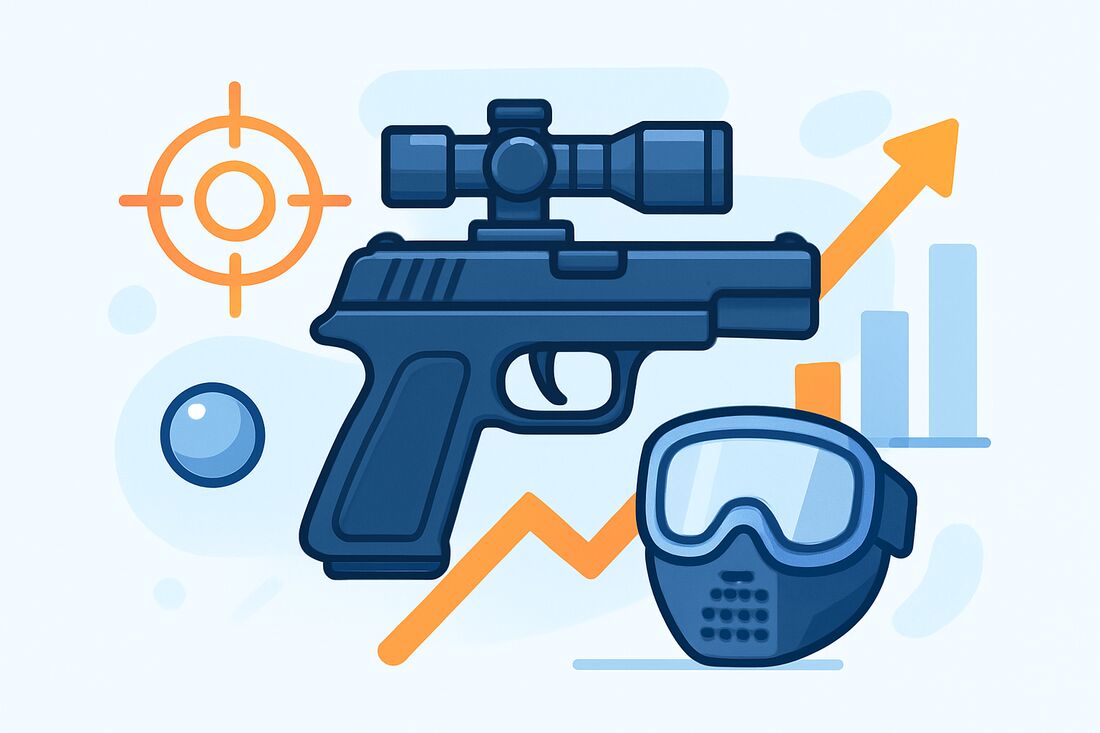
If you ask “can you put a scope on a pistol”, the short answer is yes, but with important caveats. Pistols can accept optics, but the type and mounting matter a lot for practical use.
Micro red dots are the most common and practical choice for handguns. Low‑power magnified optics can work on some setups, while full tube scopes are rare and usually for specialized rigs.
There are a few hard constraints to watch: slide length and available space, footprint compatibility, recoil and zero retention, holster and concealment impacts, and usable eye relief. Check each of these before you buy so you do not end up with an unworkable combo.
Also remember to check local laws and range rules before modifying a firearm or airsoft gun. Read on to find which optics suit which use cases and why certain choices perform better than others.
Types of pistol optics and when to choose each
Knowing the optical options makes the “can you put a scope on a pistol” question clearer. The right optic depends on speed, distance, and how you plan to carry or compete.
Micro red dots and reflex sights, like RMR-style or RMSc units and Holosun minis, are best for fast target acquisition. They are light, have unlimited eye relief, and suit carry, competition, and defensive shooting.
Holographic sights are larger and heavier and are more common on PCCs or carbines than on handguns. They work when you want a big reticle and fast aiming, but they add bulk and cost.
Low‑power variable optics (1–4x LPVOs) are useful for target work or extended‑range pistol matches. They trade speed and eye relief for magnification, so they slow target transitions and often need a two‑hand hold.
Prism sights and small magnified optics offer fixed magnification for specific competition or hunting roles. Traditional tube scopes are usually impractical on a free‑hand pistol except in specialty hunting or precision setups.
For most handgun work stick to 1x red dots, or at most 1–3x for competition and target shooting. Avoid magnifications above 3x for one‑handed use unless the pistol is on a brace or carbine platform.
Power sources and reticle choices matter too — battery life, solar assist, and dot size all affect usability in the field. In airsoft, micro‑dots are the standard; durability and a good mount matter more than having a top‑tier brand.
Mounting and compatibility: slides, footprints and holster implications
Mounting options range from optics‑ready factory slides to aftermarket slide milling or adapter plates. Optics‑ready slides give the cleanest fit, while plates and adapters let you add an optic without cutting your slide.
Common footprints include RMR, Shield/RMSc, and Deltapoint, among others, so always verify the exact footprint before buying. A mismatch in screw pattern or footprint is the most common mounting mistake.
Also know the difference between slide‑mounted optics and frame‑mounted rails and lights. Picatinny or Weaver rails are for frame accessories, while most pistol red dots sit on the slide for direct sight picture alignment.
Adapter plates are cheaper and versatile, but they can be less rigid than a milled slide under heavy recoil. If you run a high‑recoil platform or want rock‑solid zero, a milled slide will usually be the most robust choice.
Holsters must be cut for optics if you plan to carry or hop on the range. Optic height affects holster fit, co‑witness with iron sights, and whether suppressor‑height sights will line up correctly.
Before you mount, verify footprint, slide space, and screw pattern, and use the correct screws and torque values. For airsoft and beginner guides on actual installations see airsoft scope setup for hands‑on tips.
Zeroing, recoil and durability — will it hold zero on a pistol?
Modern micro‑dots are typically designed to survive pistol recoil and hold zero, but always check the shock rating and user reports for your specific optic and platform. Blowback GBBs and heavy recoiling calibers will stress mounts more than low‑recoil systems.
For defensive carry people commonly zero between 7 and 15 yards, with 15 yards a practical compromise. Competition and precision work often zero at around 25 yards to match target distances and ballistics.
Zeroing steps are simple: use a stable rest or consistent two‑hand grip, fire groups, adjust windage and elevation, and confirm groups at the chosen distance. Re‑check after rapid strings and under different grips to ensure the dot stays true.
Always test zero after an initial break‑in of 25–50 rounds, then again after holstering and transport. If the sight has shifted, stop and troubleshoot rather than guessing at fixes on the range.
Follow manufacturer torque specs and use a medium threadlocker where recommended to keep screws from backing out. For detailed zeroing techniques and a step‑by‑step approach see this guide on how to sight in a scope.
If your optic drifts, re‑check screws, confirm plate fit and parallelism, and consider switching to a milled slide or a higher‑rated sight. A steady mount and correct installation are the most common cures for loss of zero.
Practical tips, maintenance, training and airsoft-specific advice
Buy the optic that matches your use: carry and competition favor micro‑dots, while target setups may benefit from low‑power magnification. Consider weight, battery life, and how easy the sight is to service in the field.
Protective measures are cheap and effective: lens covers, flip caps, and killflashes for optics used in tough environments. Clean lenses gently, check screws periodically, and carry spare batteries sized to your sight.
Train with the optic on the gun. Dry‑fire dot acquisition, draw‑and‑fire drills, and one‑eye vs two‑eye techniques build speed and consistency. Practice re‑holstering with the holster you will use in real life until it becomes muscle memory.
Budget tiers range from inexpensive clones to solid mid‑range units like Holosun or Vortex and top‑end sights from Trijicon or Leupold. Factor in slide milling or plate costs when you set your budget.
Airsoft users should match mounts to platform stress; GBBs impart more shock than AEGs and may need metal plates or reinforced screws. For step‑by‑step airsoft setup tips and common pitfalls see this page on how to set optics.
Finally, simple maintenance and regular training keep an optic useful and reliable. With the right mount and a realistic plan, a pistol with a dot can be fast, accurate, and practical for many shooters and airsoft players alike.
What People Ask Most
Can you put a scope on a pistol?
Yes, in many cases you can put a scope on a pistol using a proper mount or rail system. It can improve accuracy at longer distances, but you should check your pistol’s compatibility and local laws first.
What are the practical benefits of putting a scope on a pistol?
A scope can make targets easier to see and help you aim more precisely, especially at medium ranges. It can also help shooters with vision problems or those learning to shoot more accurately.
Is it legal to put a scope on a pistol?
Laws vary by location, so it’s important to check local regulations before adding a scope. Also follow manufacturer guidance and any safety rules that apply to modifications.
Will adding a scope make my pistol harder to carry or holster?
Yes, a scope adds bulk and can change how a pistol fits in a holster or how comfortable it is to carry. Consider your carry method and get a holster designed for a scoped pistol if you plan to carry it.
Do I need special training to use a scoped pistol?
Basic training and practice are recommended to learn how to mount, zero, and shoot with a scope effectively. Regular range time will help you get used to sight picture and adjustments.
Can any pistol accept a scope attachment?
Not every pistol can accept a scope without modification; many need a rail, mounting plate, or specific slide features. Check compatibility and seek professional help if you’re unsure how to mount one safely.
What common mistakes should beginners avoid when putting a scope on a pistol?
Avoid loose mounts, incorrect eye relief, and skipping proper zeroing, as these reduce accuracy and safety. If you’re unsure, have a gunsmith or experienced shooter help with installation and setup.
Final Thoughts on Putting Optics on Pistols
You asked “Can you put a scope on a pistol?” and the short, practical answer is yes — especially if you’re after faster hits and clearer sight pictures; we even covered common concerns like 270 sightlines and holster clearance. The core benefit we kept circling back to was simplicity: a small red dot turns aiming into point-and-shoot, cutting down split seconds and mental load for carry, competition, or airsoft play. Across the guide we explained which optics suit which roles, how to mount them, and how to zero so that opening question is actually answered with real, usable choices.
One realistic caution: don’t underestimate slide space, mount fit, and recoil—cheap plates or loose screws will undo your zero or make reholstering risky. The information favors folks who want quick target acquisition—CCW carriers, competitors, and skirmish players—while precision hunters or one‑hand long‑range shooters may need different setups. With the right optic, proper mounting, and a bit of dry‑fire and live practice, you’ll be moving into more confident, faster shots on your next range session.