
How Do Self Healing Targets Work? (2026)
How do self healing targets work? This simple question hides a neat mix of materials and physics.
In short, special polymers close the hole after a hit. Think memory foam or chewing gum that rebounds or flows back into place.
This article will explain that basic mechanism, the common materials used, and the limits by caliber and energy. You will also learn about durability, safety tips, and how to test targets in the field.
We include clear visuals, a practical field-test plan, and quick safety checklists. Read on to get the facts and make smart choices for pistol or rifle use.
How self-healing targets work
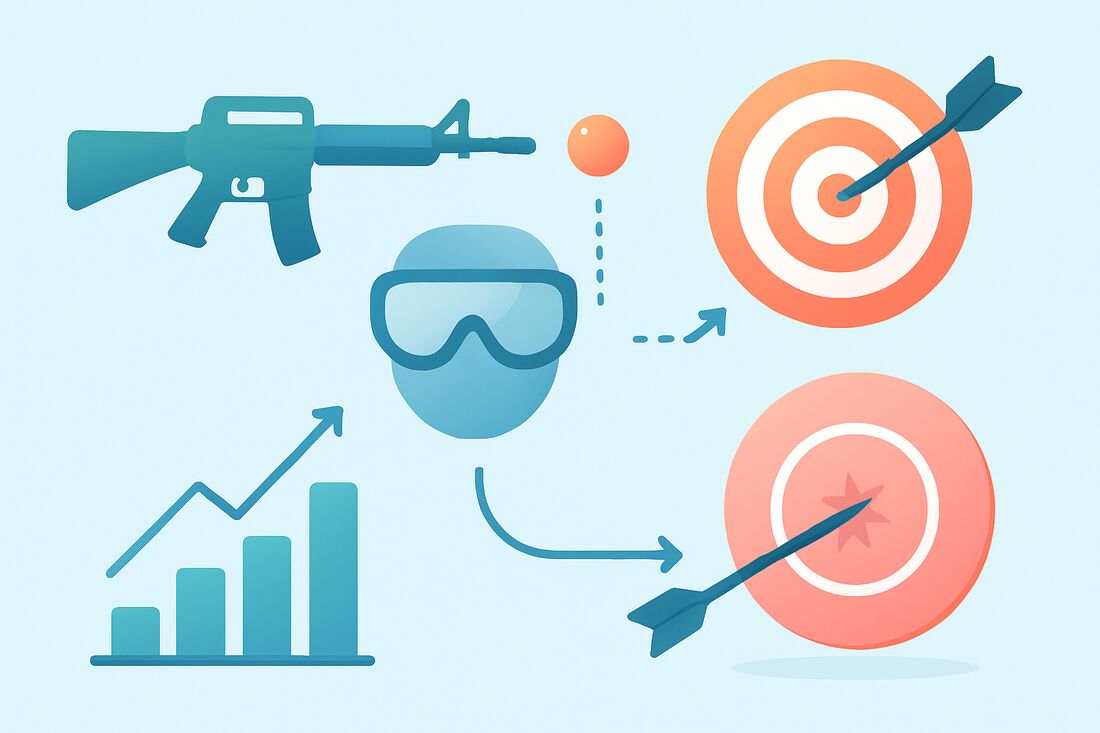
How do self healing targets work? They use elastic or thermoplastic polymers that close small bullet holes shortly after impact.
A bullet pushes material aside and leaves a temporary cavity instead of a clean hole. The material rebounds, flows, or its molecules slide back together to seal the gap, like memory foam or chewing gum.
Some faces rely on elastic rebound that snaps back, others on thermoplastic flow that softens and reforms, and energy, heat and friction affect the result; for rifle-rated setups choose heavier faces or thicker models. A quick animation — bullet in → cavity → resealed — helps, and paint rings or contrast marks show hits.
Materials used in self-healing targets
Many beginners ask ‘how do self healing targets work’, and the base material is the main factor. Common choices are polyurethane elastomers, thermoplastic elastomers (TPE), nitrile and rubber blends, and recycled rubber composites.
Shore hardness, thickness and fillers or additives change performance: softer mixes seal better but wear faster, while harder mixes resist high-energy hits. UV stabilizers, carbon black and other fillers are common to improve outdoor life and tensile strength.
Manufacturers describe some products as full self-healing, with a single continuous elastomer face, while semi self-healing models use replaceable layers or a softer front over a rigid core. Casting, compression molding and machining are common production methods, and for rifle use many owners pick heavier faces.
Durability and lifespan of self-healing targets
Lifespan is driven by caliber and velocity, concentrated shot placement, distance, how rigidly the target is mounted, temperature, UV exposure and ammo chemistry. Each factor changes whether a hit leaves a tiny sealable cavity or causes a permanent tear.
Real-world measures include visual wear, crater size and the usable hit count, but exact numbers vary by brand and setup. Always compare manufacturer claims and independent field tests or target life data before you trust a specific count.
To extend life rotate targets and stagger shot placement, shoot from recommended distances, and use thicker faces or rifle-rated models for high-energy rounds. Before-and-after photos and a simple chart of wear by caliber help you see trends and decide when to replace a face.
Caliber and projectile compatibility
Always follow manufacturer specs for rating, maximum caliber or energy, and minimum safe distance — that is the clearest way to know what is safe. Generally, self-healing targets are rated for certain pistol calibers and energies, while many rifle rounds exceed their design.
Recommended projectiles usually include lead and non-steel-jacketed pistol rounds used at rated distances, while steel-core, armor-piercing and many high-velocity rifle rounds are not recommended because they can cut or punch the material. Frangible rounds, shotguns and specialty loads are edge cases and need careful testing.
Airsoft BBs and low-energy rounds typically reseal easily, whereas strange shapes and very fast bullets change the sealing dynamics and can leave permanent holes. If you are asking ‘how do self healing targets work’ for a specific round, assume it may be unsafe until the manufacturer confirms compatibility.
Safety recommendations and best practices
Mount targets against a solid backstop and angle them slightly downward to reduce splatter and ricochet, and secure mounts so the face cannot be peeled by a grazing hit. Proper mounting spreads stress and improves safety.
Always use eye and ear protection, clear the downrange area, and follow manufacturers’ minimum distances because polymer faces lower but do not eliminate ricochet risks. If you want a ready option, check target kits for bundled mounting hardware.
Keep targets clean, store out of sun, and mark hits with paints that avoid harsh solvents; retire a target when you see tears or large cracks. Field-test plan: log caliber, bullet weight, velocity, distance, ambient temperature, hit count and photos to compare materials.
What People Ask Most
How do self healing targets work?
Self healing targets are made from a soft, elastic material that closes up around bullet holes. The material flexes and then reforms to hide or reduce visible damage so the target lasts longer.
Are self healing targets safe to use?
They are generally safer for ricochet reduction because the material absorbs energy and traps fragments. You still need to follow normal range safety rules and use the right backstop.
Do self healing targets really last a long time?
Yes, they last longer than paper because the material reseals after hits, reducing obvious wear. Lifespan depends on how often and how hard they are shot.
Where are self healing targets best used?
They work well at shooting ranges, for practice in safe outdoor areas, and for training drills. They are handy when you want repeated shooting at the same target without replacing it often.
Can self healing targets stop all bullets?
No, they are not bulletproof and won’t stop high-caliber rounds or prevent all fragments. They are designed to close around impacts, not to act as armor or a full shield.
How should I maintain self healing targets?
Keep them clean and store them out of direct sunlight and extreme heat to avoid drying out. Rotate the target and inspect it often to make sure it stays in good condition.
What common mistakes should I avoid when using self healing targets?
Don’t shoot them at extremely close range, with wrong ammunition, or expect them to be indestructible. Also avoid leaving them in harsh weather, which can speed up wear and tear.
Final Thoughts on Self-Healing Targets
Self-healing targets really do what their name promises: they close shot holes fast so you can keep training with less downtime and lower replacement costs. A properly rated model—say one built to handle 270—lets you shoot more rounds without constantly swapping paper. If you were wondering at the start whether polymer targets truly “heal,” the explainer on rebound vs. flow and the materials rundown shows exactly how and when they work.
Don’t assume they’re indestructible; sharp, high-velocity or steel-core rounds and extreme heat can outpace the material’s rebound and flow, so follow manufacturer limits and safe distances. Practical tips like rotating the face, using thicker panels for rifles, and tracking hit location really stretch service life.
Overall, they’re a great fit for pistol shooters, training ranges, airsoft skirmishes, and anyone wanting quicker range sessions with fewer target swaps. The piece gave the basic how-it-works answer, compared materials, durability factors and safety steps so you can pick and test the right option. Keep an eye on specs and conditions, and you’ll get years of useful, repair-friendly target time.