
How to Clean Scope Lens? (2026)

How to clean scope lens? Want clear glass and steady aim without ruining the coatings.
This short guide shows the right tools and the common things to avoid. It gives a simple step‑by‑step routine for cleaning a mounted or removed scope.
You will learn how to remove dust, fingerprints, grease, and stuck grime. It also covers cleaning the body, turrets, eyecups, and a compact field kit to protect your optics.
Follow the easy mantra — blower first, brush second, cloth last — to prevent scratches. Read on to learn exactly how to clean scope lens safely and quickly.
Table of Contents
Essential tools (and what not to use)
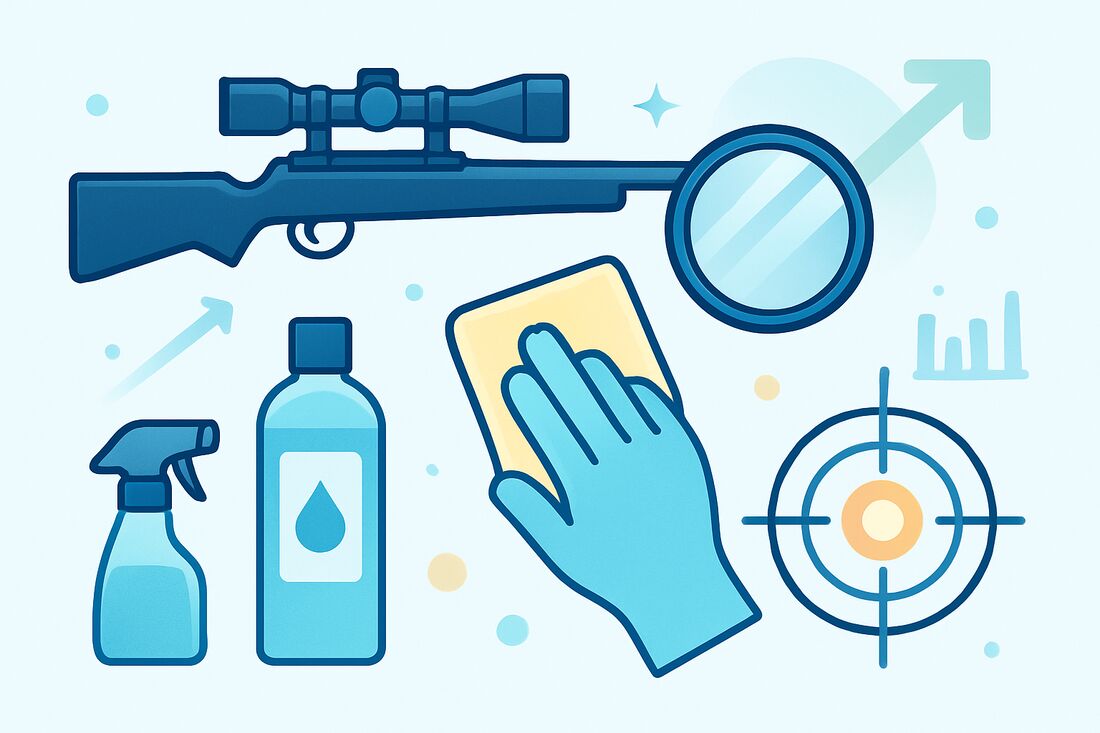
Using the right kit prevents scratches and protects delicate lens coatings while you work. A few proper tools reduce the risk of costly damage and make the task quick and safe.
Start with a bulb blower or hand blower to remove loose grit with no contact. Follow with a soft lens brush or the brush end of a lens pen to sweep away remaining dust before you touch the glass, which is the first rule when learning how to clean scope lens safely.
Carry a lens pen that has both a brush end and a polishing/sponge end for finishing. Keep several optics‑grade microfiber cloths, optics‑rated lens cleaner or pretreated wipes, and, for stubborn grime, a small bottle of 90%+ isopropyl alcohol used sparingly on a cloth. If you want a quick primer on safe cleaning methods, check this guide to clean your optics.
For heavy field dirt, mild dish soap with warm water helps lift sand and grease before polishing. Pack Q‑tips or cleanroom swabs wrapped with microfiber for tight seams, and a small soft toothbrush for the body and moving parts — not for the glass. Add lens caps, a clear objective filter, silica packs and a small zip bag to keep everything dry and tidy.
Avoid canned compressed air on lenses; propellant residue can harm coatings and blowers are safer. Never use paper towels, tissues, or old t‑shirts — they are abrasive and leave lint that can scratch.
Do not use household glass cleaners like Windex or harsh chemicals on optics, and never use abrasive pads or scrapers on glass. Avoid applying lubricants to lens surfaces or unscrewing factory parts unless the manufacturer explicitly allows it.
Step‑by‑step: How to clean a scope lens
Always start with a safety check: confirm the firearm is unloaded and safe, or remove the optic if you prefer a stable bench setup. A firm, clean surface with good light makes the job easier and safer for both you and the scope.
Follow the simple order every time: blower, brush, wet/solvent wipe, then polish and dry. This sequence is the backbone when you study how to clean scope lens without risking scratches or trapped moisture.
Step 1 — Remove loose debris. Hold the scope steady and use a bulb blower to remove dust and grit. Never rub the lens while particles are present, because dragging grit will scratch the coating.
Step 2 — Brush gently. Use a soft lens brush or the brush side of a lens pen in light strokes to sweep away remaining particles. Keep the brush clean and work from the center outward so debris moves away from the glass.
Step 3 — Irrigate if needed. For grit that seems stuck, use warm soapy water to loosen the deposit rather than forcing it across the coating. Let the water lift the particles for a minute, then blow and brush again before any wiping.
Step 4 — Apply cleaner correctly. Always put a small drop of optics‑rated cleaner on the microfiber cloth, not directly on the lens, to avoid sealing moisture into rims or crevices. This method controls the amount of solvent and prevents excess fluid from reaching internal seals.
Step 5 — Wipe technique. Use a clean microfiber and wipe in a spiral or gentle circular motion from the center outward to avoid streaks and dragging grit. Apply only light pressure — heavy scrubbing is rarely needed and risks damage.
Step 6 — Polish and final check. Use the polishing end of a lens pen or a pretreated wipe for the last pass and address rims with a microfiber‑wrapped Q‑tip. Finish by blowing any loose fibers away and lightly dabbing with the dry side of a cloth if needed.
Step 7 — Let it settle. Allow the optics to air dry and inspect them at different angles to catch streaks or remaining grime before replacing caps or remounting. If you see a smear, repeat the wet step rather than increasing pressure.
Writer notes: a short photo sequence (blow → brush → spiral wipe) helps beginners retain the steps, and a clear “do this, not that” example — microfiber instead of a paper towel — prevents common mistakes. For a broader maintenance overview, see how to clean and maintain your optics.
Tackling fingerprints, grease & stuck‑on grime
Understand the difference: dust scratches when you rub, oils smear and need solvents to lift. Always remove dust first; then treat oils so they don’t grind into the coating during wiping.
For fingerprints and light oils, start with an optics‑rated cleaner applied to a microfiber cloth and wipe center to edge in gentle circles. If oily residue persists, use a slightly damp microfiber with warm dish soap to break the oil, then finish with an optics cleaner to remove any film.
For heavy grease, adhesive, or tar, irrigate the lens with warm soapy water and let it sit a minute to soften the deposit. Use a microfiber‑wrapped Q‑tip to gently lift the residue and repeat the soak if needed, then blot dry and polish as usual.
Warnings: never reach for degreasers or solvent blends not rated for optics, and avoid soaking the edges near seals. Remove and dry any trapped moisture at the rims to reduce the risk of internal fogging or water ingress.
Cleaning the body, turrets, eyecups & reassembly
Start with the body: wipe the exterior with warm, soapy water and dry with a soft microfiber to keep dirt from migrating toward the lenses later. A clean exterior reduces the chance of contaminants falling onto the glass when you handle the scope.
Turrets and moving parts respond well to a soft brush or small toothbrush to clear grit from threads and crevices. Wipe away loosened dirt with a cloth and avoid pushing cleaning fluids into internal gaps or ports.
Eyecups and removable ocular pieces should be rinsed and air‑dried before replacing, when user‑removable. Clean eyecups keep your sight picture clear and prevent skin oils from reaching the lens surfaces.
Before reassembly, check seals and edges for moisture and remove any trapped water with a dry swab. Do not remount or close caps until everything is fully dry to avoid trapping humidity and inviting fogging.
Finally, don’t apply lubricants to optical surfaces or unscrew factory‑sealed parts unless directed by the manufacturer. Only clean mechanical parts in line with the maker’s instructions to avoid voiding warranties.
Field kit, routines & habits to protect your optics
Pack a compact field kit with a bulb blower, a lens pen, one pretreated lens wipe, a small microfiber, a few Q‑tips, a zip bag, spare lens caps and a tiny bottle of mild soap. This set lets you handle most problems quickly without digging through a toolbox.
Quick field routine (30–60 seconds): blow, brush, quick wipe with the lens pen or a pretreated wipe, then cap it. That short routine is usually enough to keep the view clear until you can do a deeper clean.
Preventive habits matter: keep lens caps on when not shooting, fit a clear objective filter to cut down front‑lens cleaning, and don’t over‑clean — excessive wiping wears coatings. For technical how‑tos and best practices, refer to a dedicated guide on cleaning optics.
Maintenance schedule: do a quick check and wipe after each outing and a full clean after heavy soiling. For internal fogging, delaminated coatings, or deep scratches, get professional service rather than trying invasive fixes yourself.
Remember the mantra: blower first, brush second, cloth last, and never spray cleaner directly onto the lens or use canned air. Those simple habits keep your scope ready and extend the life of its coatings while teaching you the safest way to handle optics in the field.
What People Ask Most
How to clean scope lens without scratching it?
Start by blowing or brushing away dust, then use a lens-safe cleaner and a microfiber cloth to wipe gently in a circular motion. Avoid hard scrubbing and rough materials that can scratch the coating.
What supplies do I need to know how to clean scope lens?
Use a rubber blower, a soft lens brush, lens cleaner or pre-moistened lens wipes, and a clean microfiber cloth. These tools remove dirt safely and help prevent scratches.
Can I use household cleaners to clean scope lens?
No, household cleaners like window spray or bleach can damage lens coatings. Follow how to clean scope lens instructions and use products labeled safe for optics instead.
How often should I clean scope lens?
Only clean the lens when it shows dust, smudges, or water spots to avoid unnecessary wear. Light maintenance after heavy use or bad weather keeps optics clear and protects coatings.
Will wiping with my shirt damage the scope lens?
Yes, clothing fibers and dirt can scratch or grind into the coating. For how to clean scope lens, use a microfiber cloth or lens wipe to avoid damage.
How do I remove oil or fingerprints when I clean scope lens?
Apply a few drops of lens cleaner or use a pre-moistened lens wipe and gently dab before wiping with a microfiber cloth. Repeat with a clean section until the mark is gone, then dry with a dry part of the cloth.
Can I disassemble the scope to access the lens for cleaning?
No, taking the scope apart can break seals and ruin the optics. Follow recommended how to clean scope lens steps or take it to a professional for internal cleaning.
Final Thoughts on Cleaning Scope Lenses
Keeping your optics clean isn’t just about clarity — it protects coatings and prevents scratches, and a compact, consistent kit (even that little 270 starter set) makes it simple. The real win is a reliable sight picture and longer‑lived glass for field shooters, hunters, and airsoft players, though you should be honest about one caution: abrasive wipes, canned air, or aggressive scrubbing will do more harm than good. If we opened by asking whether careful cleaning is worth the fuss, this guide answered it with a clear, step‑by‑step routine that keeps lenses clear without risking coatings.
Adopt the simple sequence — blower first, brush second, wet wipe and polish last — and you’ll spend less time fussing and more time shooting with clear, dependable optics. Keep a small field kit, mind the seals when you rinse, and bring a pro in for fogging or internal haze instead of risking DIY fixes. You’ve got the steps, what to avoid, and a compact routine to protect your glass, so go out knowing your sights will stay sharp and serve you well.