
How to Tell If a Gun Is a Bb Gun? (2026)
How to tell if a gun is a bb gun? Want fast, clear ways to spot one so you stay safe.
This guide gives a quick visual checklist you can use at a glance. You will learn to spot orange tips, small bore muzzles, visible BBs in mags, and signs of battery or gas systems.
We also cover deeper checks like barrel rifling, BB vs pellet shapes, and common markings or modifications. You will see what to look for in photos and what tests are safe to try.
Most important: treat any unknown gun as real until proven otherwise. The article ends with safety steps, reporting tips, and a printable field ID checklist you can use right away.
Table of Contents
- How to tell if a gun is a BB gun: quick visual checklist
- Barrel, caliber and ammunition: inspect the bore and projectiles
- Power, operation and firing cues: gas, CO2, spring, battery and sound/velocity
- Construction, markings and signs of modification
- Safety, legal and field protocols: how to handle, test and report suspected replicas
- What People Ask Most
- Final Thoughts on Identifying Replicas and BB Guns
How to tell if a gun is a BB gun: quick visual checklist
Use a rapid on‑the‑spot checklist — treat it as a firearm until proven otherwise.
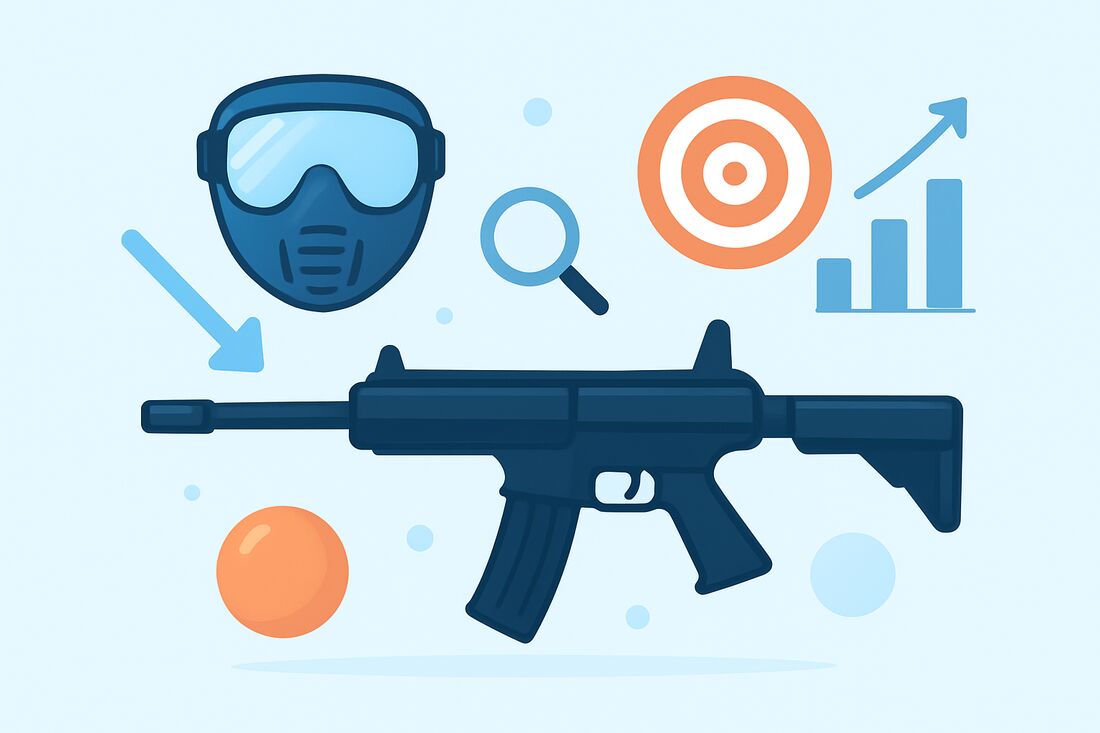
If you need to know how to tell if a gun is a BB gun, start with a few seconds of careful visual scanning from a safe distance.
Look for an orange tip or toy safety sticker, a very small bore at the muzzle, or residue where a tip was pried off.
Also check the magazine area for visible round, spherical ammo and scan for gas features like a cartridge seam, a gas fill valve, or a battery compartment and wires in the grip or stock.
Photograph obvious examples if safe: an orange‑tipped toy, a removed tip with residue, and a magazine showing 6mm BBs; and remember, if you are in public and unsure, do not handle the device and call authorities immediately.
Barrel, caliber and ammunition: inspect the bore and projectiles
Projectiles offer one of the clearest clues when you want to identify a BB gun versus a pellet gun or a real firearm.
Airsoft BBs are 6mm smooth plastic spheres, .177 pellets are diabolo‑shaped lead or plastic with a skirt, and 4.5mm steel BBs are small metal spheres; seeing the shape tells you a lot fast.
The barrel interior is also diagnostic: most airsoft guns use a smoothbore or a barrel with a hop‑up chamber, whereas pellet guns and real firearms generally show rifling grooves inside the bore.
Safely clear the gun first, then use a flashlight or boresight rod to inspect the barrel for rifling versus a smooth bore and to compare that visual to known round shapes.
Remove the magazine only if the owner allows and it is safe, then lay out rounds and compare them to a labeled photo guide showing 6mm, .177, and 4.5mm rounds to confirm differences in size and material.
Check for caliber stamps near the breech or on the barrel like “6mm BB” or “.177”; those markings, when present, make it easier to identify a BB gun or to separate airsoft vs pellet gun at a glance.
Power, operation and firing cues: gas, CO2, spring, battery and sound/velocity
Propulsion type gives another strong hint: spring/piston, CO2, green gas, and electric AEGs all have visible clues if you know where to look.
Spring or pump guns have simple mechanical cocking systems and lack battery wiring or gas ports, CO2 guns usually hide a 12g cartridge in the grip or under the barrel with a threaded screw cap, and gas blowback systems show fill valves on the magazine or the frame.
AEG electric guns will have a battery compartment, wiring or a stock battery plate, while green gas setups often hiss or smell faintly of propellant when cycled.
When fired, airsoft weapons make a muted “pop,” CO2 and BB guns can be louder but still quieter than a firearm, and real firearms give significant recoil and a sharp muzzle report with visible flash; listen and look from a safe distance.
Typical performance for airsoft ranges from roughly 200–450 FPS with a 0.20g BB, while pellet/.177 guns can be faster and deliver more energy depending on the model, but do not rely on FPS alone to classify a device.
For official identification tips and deeper technical cues aimed at law enforcement and civilians, consult federal resources such as the ATF’s identifying firearms guide.
Construction, markings and signs of modification
Material and finish tell a lot: low‑end replicas usually show ABS or polymer seams and lighter weight, while high‑end airsoft replicas may use metal and feel heavier, sometimes fooling casual observers.
Look closely at the muzzle ring for sanding marks, glue residue, or mismatched paint where an orange tip was removed to hide the toy origin.
Many replicas carry explicit markings like “6mm BB,” “Airsoft,” CE or ASTM toy compliance stamps, manufacturer names, or country of origin; firearms, by contrast, have formal serial numbers and caliber stamps in regulated locations.
Signs of modification include mismatched paint, visible glue around the tip, irregular seams, or aftermarket parts that obscure toy indicators; such tampering should raise a red flag and be treated as a safety risk.
When teaching new players how to tell if a gun is a BB gun, I always point out that markings are not guaranteed but are highly helpful when present and that any removed or altered markings are a serious warning sign.
Avoid disassembly unless you are trained; many makers seal gas or CO2 systems and improper tampering can be dangerous or illegal.
Safety, legal and field protocols: how to handle, test and report suspected replicas
Always follow one rule above all: treat any unknown gun as loaded and real until you have safe, confirmed proof otherwise.
In a public setting do not point or touch the device, move to a safe distance, and call local law enforcement if there is any threat or public concern.
If you can safely photograph the item, do so from a distance and capture a full profile, a clear shot of the muzzle, the magazine area, and any markings; these images help responders and investigators later.
If the owner allows a private inspection, do it slowly and safely: keep the muzzle pointed in a safe direction, remove the magazine first, visually clear the chamber, and then inspect ammo and markings with eye protection on.
Do not attempt to disassemble gas or CO2 systems unless you are experienced, and never conduct test firing in public; when test firing is necessary insist on a proper backstop, eye protection, and a controlled private area.
If you need guidance on legal differences and law enforcement expectations about replicas, review resources like the NSSF’s notes on real vs replica, and report public brandishing or removed safety markings to the police right away.
For smartphone reporting, include time, location, clear photos (profile, muzzle, markings), a vehicle or people description, and keep your distance; a printable one‑page Field ID Checklist is useful to carry or share with friends and local teams.
What People Ask Most
how to tell if a gun is a bb gun?
Look for signs like an orange tip, lighter overall weight, and a simple loading area for small round pellets. BB guns often have markings or labels saying they are airguns. If you are unsure, have an expert inspect it.
Can I tell if a gun is a BB gun by its orange tip?
An orange tip is a common indicator but it can be removed or painted over. Don’t rely only on the tip; check other features and labels too. If you doubt it, treat the gun as real until proven otherwise.
Does a BB gun sound different from a real firearm?
Yes, BB guns usually make a quieter popping or snapping sound compared to the loud blast of a real firearm. The sound is often less sharp and lower in volume. Sound alone should not be your only test for identification.
Is a BB gun safe to handle like a toy?
No, BB guns can still cause injury and should never be treated as toys. Always follow basic gun safety: keep the muzzle pointed in a safe direction and keep your finger off the trigger. Use eye protection and adult supervision for beginners.
How can I check the ammo to know if a gun is a BB gun?
BB guns use small round metal BBs or plastic pellets, which are much smaller than typical firearm cartridges. If you find a small spring-loaded magazine or a simple pellet chamber, it is likely a BB gun. Always handle any found ammo with care and avoid chambering it yourself if unsure.
Will the barrel size or weight help identify a BB gun?
Yes, BB guns are generally lighter and may have thinner barrels or visible plastic parts. The overall build often looks less robust than a real firearm. Weight and feel can be good clues, but confirm with other signs too.
When in doubt, what should I do if I think a gun might be a BB gun?
Treat the gun as if it were real and do not handle it unnecessarily. Call local law enforcement or a qualified expert to inspect it safely. This keeps you and others protected while you confirm what it is.
Final Thoughts on Identifying Replicas and BB Guns
If you’re unsure, use the rapid on-the-spot checklist—treat it as a firearm until proven otherwise. That approach is what this guide gives you: quick visual cues, ammo photos, and simple power/marking checks so you can decide fast (even when a replica reads around 270 on a chrono). It’s made for players, parents, and officers who need a clear, safety-first method.
Remember a realistic caution: some high-end replicas mimic weight, metal finish, and even rifling, so don’t rely on weight or sound alone. The piece walks you through bore inspection, ammo comparison, marking locations, and power signatures so you’ve got multiple cross-checks rather than a single clue. That layered approach helps hobbyists, civilians, and law enforcement spot what matters.
By circling back to that first rule—check fast and assume real—you’ll see how each section answered how to tell if a gun is a BB gun with practical steps and photos. Keep the checklist handy, stay calm, and you’ll be better prepared the next time you need to ID a suspicious replica. Stay observant, keep learning, and you’ll handle the next situation with confidence.