
What Is an Illuminated Scope? (2026)
What is an illuminated scope — and could it make your shots easier in low light?
Put simply, an illuminated scope is a riflescope with a lit reticle or aiming point so you can see it against dark or low-contrast backgrounds. This intro will give a clear, plain answer so you know the difference between an illuminated reticle and a regular scope.
In the article you will learn how illumination works, the main types (LED, fiber-optic, tritium, and hybrids), and how controls and magnification affect the lit reticle. You will also get real details on battery life, brightness settings, and why color matters for different targets and light conditions.
Finally, I will help you choose the right system for hunting, tactical work, long-range shooting, or airsoft, and share practical tips on setting brightness, carrying spares, and maintaining your scope. Expect clear visuals, a simple checklist, and hands-on advice to pick and use an illuminated scope well.
What is an illuminated rifle scope?
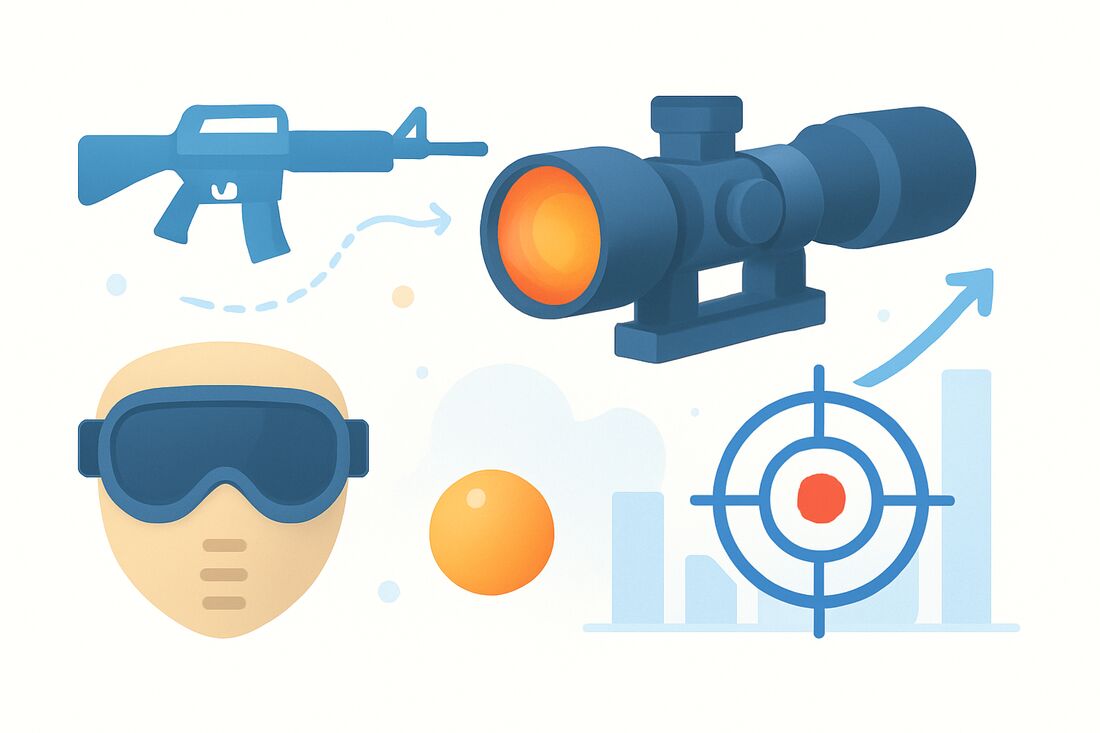
An illuminated scope is a riflescope whose reticle, or part of it, is lit so you can see the aiming point in low light or against low-contrast targets. In simple terms, this answers the question what is an illuminated scope: it adds a visible light element to the reticle to help you pick up the dot or crosshair when natural contrast fails.
The main difference between an illuminated scope and a non-illuminated one is where the light sits. A non-illuminated reticle relies on contrast between the reticle and the background, while an illuminated scope actively lights the aiming mark so it stands out in gloom or against busy backgrounds.
Typical uses include dawn and dusk hunting, close-to-medium range tactical work, competition shooting, and airsoft or airgun play where quick target acquisition matters. Illumination usually comes in red or green, and color matters because green often looks brighter to the eye in many environments while red can be easier to keep subtle at night.
What is an illuminated reticle and how does it work
An illuminated reticle means the lit element sits on or within the reticle itself. That can be just a center dot, an outlined center, or the whole reticle etched into glass with a light source behind or inside the scope so the pattern is visible in low light.
There are several common power and light systems. Battery-powered LEDs give the highest brightness and control, fiber-optic strips use ambient light to brighten the reticle in daylight, tritium is self-luminous for night use without batteries, and hybrids mix two or more systems for both day and night performance. Each has pros and cons: LEDs are bright and adjustable but need batteries, fiber-optics are passive but directional, and tritium lasts without power but decays over years.
Controls vary from a continuous dial to push-button steps and automatic dimmers tied to a light sensor. A rheostat is a simple rotary dial that smoothly increases or decreases brightness; it gives fine control so you can dial the exact intensity you need without jumping through preset steps.
How the illumination behaves also depends on SFP (second focal plane) versus FFP (first focal plane) scope design. In SFP scopes the illuminated element stays the same size no matter magnification, while in FFP it scales with the reticle so a lit dot grows or shrinks with zoom. If you want a primer on the basics, see illuminated reticle basics.
Different types of illumination
LED (battery) systems are the most common modern option. They offer high, adjustable brightness, color choices, and usually simple control via a rheostat or buttons, making them great for a wide range of light conditions and uses where you might want a bright dot for quick aiming.
Fiber-optic solutions gather ambient light to brighten the reticle in daylight and early twilight, but they fade quickly in low light. Tritium is a radioactive isotope used in some scopes to provide constant glow at night without batteries; its output halves roughly every 12 years, so performance slowly declines. Hybrid systems combine these technologies so you get automatic day performance plus night readiness.
Reticle illumination patterns vary too. A single dot or ring-dot is ideal for fast shooting and CQB, a fully illuminated reticle can help track targets in motion but may obscure tiny holdover marks, and segmented or outline illumination lets the fine aiming marks stay visible while the center is bright. Color choice—red or green—depends on your environment and eye sensitivity, with green often seeming brighter to many shooters but red being less intrusive with night vision gear. If you need to compare options, you can compare reticles to see which suits your goals.
Battery life and brightness settings
Battery type matters for runtime. Small LED reticles commonly use CR2032 or CR1620 coin cells, and a scope’s run time can vary from under 100 hours at full brightness to several hundred or even a thousand hours at low settings depending on the model and power draw. Larger custom systems or those using AAs will often deliver longer life but add weight and size.
Brightness controls and modes include full ranges, stepped modes, and NV-compatible low settings for use with night vision. Many scopes have memory or auto-off features to save energy, and some include sensors to auto-dim in changing light; these functions greatly affect real-world battery life, so manufacturer specs are only a starting point.
Field tips: always start at the lowest brightness that makes the reticle clear without causing bloom or glare, and carry at least one spare battery of the correct type. Test your battery life before a hunt or event, keep battery contacts clean, and store spare cells properly; remember to handle and dispose of tritium-equipped items according to local regulations because they are regulated differently than normal batteries.
How to choose based on your shooting style and environment
Match the illumination type to your use. For dawn and dusk hunting you want a scope that stays usable in low light and contrasts well on foliage—fiber-optic plus a tritium element or a reliable LED with a low setting is a strong choice. If you compete or need tactical speed, prioritize fast on/off controls, repeatable brightness steps or a rheostat, and consider FFP reticles if you make holdovers at different magnifications; for airsoft or airgun use, lighter, lower-cost LED systems are often best.
Other critical criteria include reticle style (dot, BDC, mil-dot), FFP vs SFP, eye relief, field of view, parallax adjustment, waterproofing and shock resistance (IP rating), mounting height, and overall weight. A fine illuminated system should not hide the aiming marks you use for precise shots, so avoid full-reticle illumination for long-range precision work where subtleties matter.
There are times a non-illuminated reticle is better: strictly daytime shooting, extreme long-range precision, or when you need the lightest, simplest setup. Use a practical checklist when buying: illumination type and color, control method, battery spec and runtime, reticle style, magnification range, ruggedness, and warranty.
Hands-on advice: set brightness low in the field and increase only as needed, carry the right spare battery and test it ahead of time, and re-zero if illumination seems to shift perceived point of aim due to parallax at close range. Check seals and rheostat after heavy use, clean lenses with a safe cloth, and always verify rules and local laws for hunting or competition use. Use this checklist to pick your illuminated scope and make sure it fits your shooting style and environment.
What People Ask Most
What is an illuminated scope?
An illuminated scope is a riflescope with a lighted reticle that helps you see the aiming point. It makes targets easier to spot in dim light or against dark backgrounds.
How does an illuminated scope help in low light?
The lit reticle boosts contrast so you can see your aiming point when light is low. This helps you acquire targets faster and keep steady aim.
Can beginners use an illuminated scope easily?
Yes, illuminated scopes are beginner-friendly and work like regular scopes. Start with a low brightness and practice to get used to the lighted reticle.
Will an illuminated scope drain the battery fast?
Battery life varies, but many modern illuminated scopes are energy efficient. Turn the illumination off when not in use to save power.
Are illuminated scopes only useful for hunting?
No, they help in many activities like target shooting, pest control, and wildlife viewing. Any situation with low contrast or poor light can benefit.
Is it harder to zero a rifle with an illuminated scope?
No, zeroing is the same process as with a non-illuminated scope. Just switch off the illumination if the light makes it harder to see small adjustments.
Does an illuminated scope make you more accurate?
An illuminated scope can improve aiming by making the reticle easier to see, especially in tough light conditions. It doesn’t change the rifle’s ballistics, so good shooting fundamentals still matter.
Final Thoughts on Illuminated Rifle Scopes
If you’re running a 270 or any other caliber, an illuminated scope’s main gift is a clear aiming point when light or background contrast would otherwise hide it, speeding target acquisition and reducing guessing. That extra visibility comes with a realistic caution: illumination can mask fine reticle subtleties or suffer from battery or component failures, so plan for backups and practice with the light both on and off. Hunters at dawn and dusk, tactical and competition shooters, and airsoft players who need fast, reliable sighting will benefit most from that balance of speed and clarity.
We started by asking what an illuminated scope is and then walked through how illumination is built, how LED, fiber and tritium differ, brightness and battery tradeoffs, and how to choose the right setup for your use. You should now be able to pick the type that fits your environment, set brightness so the reticle is distinct without blooming, and keep spares and simple maintenance routines on hand. Don’t be afraid to test one in the field — you’ll refine your setup as conditions change and enjoy steadier, faster shots going forward.