
When Do Squirrels Lose Warbles? (2026)
When do squirrels lose warbles? Many hunters and wildlife watchers ask this and want a simple answer fast.
Quick answer: most squirrels lose warbles in mid to late summer, roughly July through September or into October, when the larvae finish development and exit the skin.
This article will explain what “lose warbles” really means, show the Cuterebra life cycle in plain steps, and tell you how to spot a warble on a squirrel.
We will also cover whether meat is safe, basic field steps for handling affected animals, and why there is no easy prevention for wild squirrels. Clear tips and photos are included to help you understand and act safely.
Table of Contents
- Typical timing: July through September or October
- How it works
- Appearance of lumps the size and shape of a small pecan containing Cuterebra larvae
- Do warbles make squirrel meat unsafe? No — larvae are under the skin, not in muscle tissue
- Prevention and treatment: none available
- What People Ask Most
- Final Thoughts on Squirrel Warbles
Typical timing: July through September or October
If you ask when do squirrels lose warbles, the short answer is simple: most squirrels lose warbles by late summer—July through September or October—when larvae complete development and exit. This timing is the peak period when the feeding stage finishes and the larvae fall away to pupate.
Losing warbles means the botfly larva has left the subcutaneous pocket and the skin begins to heal over the breathing pore. The host often shows a shrinking lump and hair regrowth after the larva exits.
In context, eggs are typically deposited in spring or early summer, warbles become visible in mid‑summer, and larvae usually leave after about three to four weeks of feeding. The pupa then overwinters in the litter and soil and adults reappear the next spring.
Timing varies by region and year: warmer climates may see earlier or longer warble seasons, while cold snaps can shorten visible activity. Some hunters report warbles are often gone after the first frost, but university extension and state wildlife pages caution that weather is not a reliable control; see this fact sheet for more details.
How it works
The Cuterebra botfly life cycle is stepwise and closely tied to host behavior, and understanding it answers the question of when do squirrels lose warbles. Adult flies do not feed on hosts; they deposit eggs near rodent runways, dens, or burrow entrances where squirrels routinely pass.
Eggs hatch when stimulated by the warmth or movement of a passing host and the tiny larva then attaches to the fur. The larva enters the host through a natural opening or thin skin and burrows beneath the skin to form a warble.
Inside the warble the larva creates a breathing pore and feeds on host fluids for roughly three to four weeks. During this feeding period the lump grows and the breathing hole is usually visible as a small round opening.
When feeding is complete the larva exits through the pore, drops to the ground and pupates in leaf litter or soil, where it often overwinters. Adults emerge the following spring to mate and lay eggs, repeating the cycle and explaining the summer peak in warble sightings.
Cuterebra species are obligate parasites of rodents and similar mammals, and most squirrels carry five larvae or fewer, though numbers can vary with exposure and species. For a concise technical overview consult an extension page that summarizes life stages and host relationships.
A simple life‑cycle diagram or timeline graphic is useful for readers and hunters to visualize eggs → larvae → warble → exit → pupae → adult. Visual aids help you predict when to check animals or process a carcass.
Appearance of lumps the size and shape of a small pecan containing Cuterebra larvae
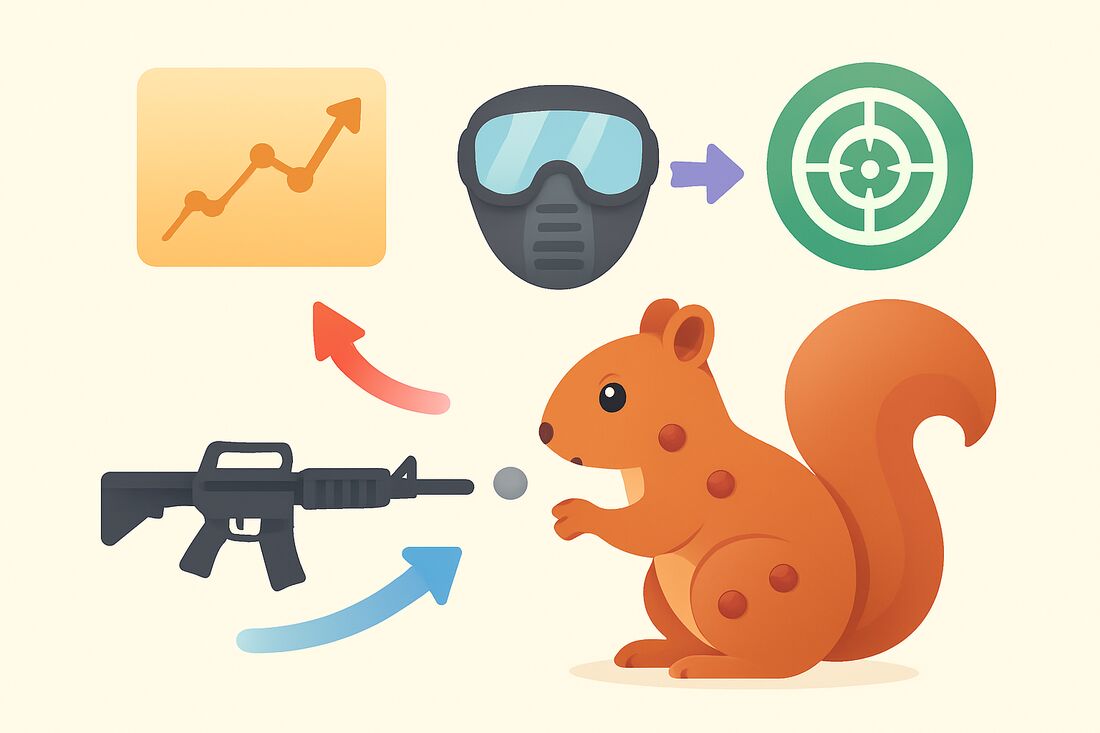
Warbles present as rounded, often firm lumps under the skin, ranging from pea‑size to pecan‑size and sometimes slightly raised above the fur. They are most commonly found on the neck, shoulders, flanks and around den entrances where larvae first attach.
A small breathing hole is usually visible at the center of the lump and you may see a clear, sometimes bloody discharge or the tip of the larva when the pore is disturbed. The larvae themselves are white to cream colored grubs and are visible if the pore is gently opened or the skin is removed.
These pockets are different from tumors or abscesses because they contain a living organism feeding on host fluids rather than solid tissue. Annotated close‑ups that show the pore and the larva are very helpful for field identification and to avoid misdiagnosis.
Do warbles make squirrel meat unsafe? No — larvae are under the skin, not in muscle tissue
No, warbles do not typically make the meat (muscle) unsafe when the carcass is properly field‑dressed and cooked, because the larvae remain in the skin and subcutaneous tissue. The muscle beneath is not invaded by Cuterebra larvae in normal infestations.
Hunters should remove the skin and cut away the affected patch, discarding the larva and contaminated tissue before further processing. Clean and disinfect knives and surfaces, wear gloves, and then proceed as you normally would with field dressing.
Human myiasis from Cuterebra species that prefer squirrels is rare, and pets seldom get the same species, but they can develop warbles and need veterinary care. Use gloves, avoid handling larvae with bare hands, and seek a vet if a pet has suspicious lumps or signs of infection.
Prevention and treatment: none available
There is no practical, large‑scale prevention for wild squirrels; warbles are a natural part of the botfly life cycle and are managed largely by natural predators and environmental factors. Monitoring and reporting high incidence are the main responses for wildlife observers.
For pets or captive animals, always consult a veterinarian for safe removal and wound care; do not attempt DIY extraction on a live animal since improper removal can cause injury or secondary infection. Vets have the tools and drugs to remove larvae safely and treat the wound.
In the field, wear gloves, cut out the affected skin without squeezing the larva, double‑bag trimmings and the larva, disinfect tools, and wash your hands thoroughly. Avoid crushing the larva to reduce contamination and dispose of waste responsibly.
If you notice an unusually high number of warbles in a local population contact your state wildlife agency or extension office to report it, since clusters may warrant attention. Remember that while some say warbles stop after the first frost, published sources advise that frost is not a reliable control; see extension paper for more on timing and biology.
What People Ask Most
When do squirrels lose warbles?
Squirrels usually lose warbles when the fly larva inside finishes growing and exits the skin, which can take a few weeks. Healing of the small wound often happens over several more days to weeks.
How can I tell when a squirrel is starting to lose warbles?
You may see the swelling shrink, a small hole or scab form, and less movement under the skin. The squirrel will often become more active and groom the area as it heals.
Do baby squirrels lose warbles faster than adult squirrels?
Baby squirrels may appear to recover faster because their skin can heal quickly, but they are also more at risk of complications. It depends on the individual animal and whether it gets proper care.
Will warbles fall out on their own, or should I intervene to help them lose warbles?
Warble larvae usually exit on their own when they mature, but intervention can be risky if done by an untrained person. If the squirrel looks sick or injured, contact a wildlife rehabilitator or veterinarian for safe help.
When do squirrels lose warbles after receiving care from a rehabilitator?
Under professional care, larvae are safely removed and the area is treated, so the squirrel can start healing within days. Full recovery and hair regrowth may take a few weeks after treatment.
Are there signs that a squirrel is not losing warbles and needs help?
If the swelling gets worse, the squirrel is weak, or there is pus and a bad smell, it may not be healing and needs help. Contact a wildlife rehabilitator or vet for advice if you see these signs.
Is it true that warbles are just harmless bumps and squirrels always recover without treatment?
Warbles are caused by fly larvae and can sometimes heal on their own, but they can also cause infection or weaken the squirrel. It’s best to monitor the animal and seek professional help if it seems unhealthy.
Final Thoughts on Squirrel Warbles
We opened by asking when squirrels lose warbles and whether those bumps make meat unsafe. As noted in the quick answer (270), most warbles come off in mid‑to‑late summer—July through September—when larvae exit and the skin heals. That understanding gives you practical peace of mind: you can spot a warble, remove the affected skin, and still process meat safely if you handle things properly.
One realistic caution: frost stories are anecdotal and aren’t a reliable control, and pets or captive animals should see a vet rather than have home removal. Hunters, wildlife observers, and pet owners benefit most because the piece explains timing, life cycle, identification, safe field‑dressing steps, and safe disposal of larvae, plus when to report unusually high cases to wildlife agencies.
So if you wondered when warbles show up and whether meat’s okay, you’ve now got the when, the why, and sensible next steps. Stay sanitary, be cautious with pets, and enjoy the outdoors knowing you’re better prepared next season.