
Where to Shoot a Raccoon? (2026)
Where to shoot a raccoon? Want a clear, safe, and legal answer before you head out in 2025?
This article will show where to aim for a humane dispatch, where to position yourself, and what distances work for common firearms. It will stress safety and the need to avoid gut shots or risky backstops.
You will also learn where raccoons live and move, rules for night hunting and landowner permission, and what gear and permits to carry. I will point out legal and ethical limits so you don’t break the law or harm others.
Finally, the piece covers management, non‑lethal options, handling sick animals, and a printable checklist with contacts and a simple anatomical diagram. Always verify state and local rules before trying anything described here.
Where to shoot a raccoon
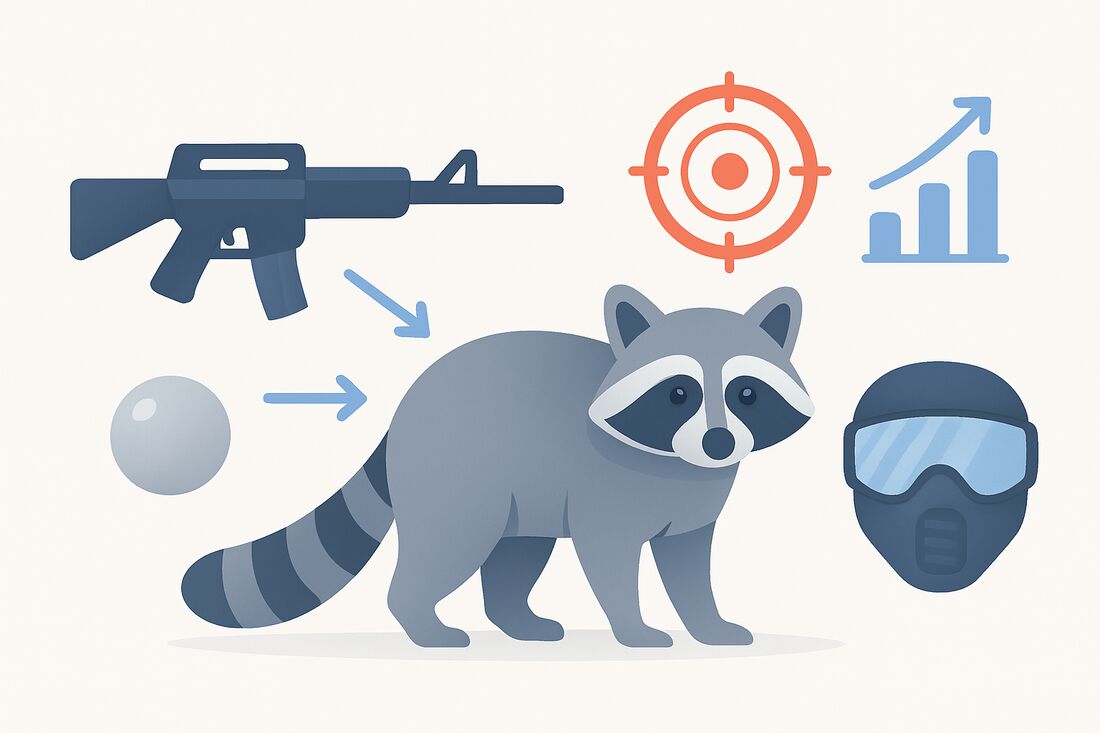
If you ask where to shoot a raccoon, the humane answer is simple and direct. Aim for a single, instantly fatal shot to the brain at very close range, or to the center of the chest to hit the heart–lung area for a quick kill and minimal suffering; avoid gut shots at all costs.
Position yourself where you have a clear view and a safe backdrop, such as the edge of a field, a travel corridor, or a water edge where raccoons often move. Never shoot into buildings, dens, roofs, across roads, or into any area where people, pets or livestock could be at risk.
Typical effective distances depend on your firearm and load: rimfire tools are practical at short ranges (under about 50 yards for ethical kills), shotguns are most reliable inside 10–40 yards depending on shot size, and centerfire rifles can reach farther but should only be used inside ranges you can place a humane shot. Always choose a distance you can reliably hit, check your optics and practice, and confirm legal distance or weapon limits in your state before hunting.
Distribution and habitat
Raccoons occur across much of North America and adapt to many settings, from forests and wetlands to suburbs and urban alleys. They concentrate where food, water and shelter meet, so riparian corridors, marsh edges and areas with unsecured trash are common hotspots.
On a micro level, look for activity at stream banks, culverts, fence lines, trash collection points and inside attics or sheds, but remember shooting near or into structures is often illegal and unsafe. Raccoons are mostly nocturnal with peak movement after sunset and before dawn, and juvenile dispersal in spring and summer can raise local activity.
Always check local species notes and nuisance advice for your area, since patterns and rules vary by state and county; a state page can help with specifics. For example see local raccoon info for guidance on problems and safe options.
Night hunting & night vision — permits and landowner permission
Many jurisdictions allow raccoon night hunting only with written landowner permission and a spotlight or night permit, and sometimes only on private land. Carry your hunting license, written landowner permission with contact info, any required spotlight/night permit and photo ID while hunting at night.
Common legal restrictions include public-land bans, no shooting from vehicles or roads, and limits on the types of lights or night-vision devices permitted for use. Check device and permit rules carefully and consult examples like California guidance to learn what your state may require.
When deciding where to shoot a raccoon at night, choose conservative locations with a solid, safe backdrop and only attempt shots well inside your effective range. If you cannot positively identify the animal or secure a safe line of fire, do not shoot and relocate to a safer option.
Management
Raccoons are managed for nuisance behavior, poultry predation and disease control such as rabies, and to keep populations in balance. Legal tools include regulated hunting seasons, nuisance permits, trapping rules, and agency-led removal when necessary.
Non-lethal measures are often the best first step: seal entry points, secure garbage and pet food, fix coop and shed access, and remove attractants to discourage raccoons from returning. For practical prevention and humane options see control methods.
If you find a sick or dependent young raccoon do not handle it; contact a licensed wildlife rehabilitator, your state wildlife agency, or public health for instructions. Do not attempt to relocate wildlife yourself unless expressly allowed by local law, and report unusual or aggressive behavior immediately.
Safety, ethics & practical tips
Carry the right gear: a legal spotlight or torch, appropriate firearm and ammo, dependable optics, gloves, a first-aid kit, GPS or phone, and a game bag; verify that every item is legal where you hunt. Keep training and practice current so you can place humane shots under field conditions.
Approach quietly, use a steady rest, and think carefully about where to shoot a raccoon to ensure a clean, humane hit. Aim for a broadside or quartering-toward angle to expose the heart–lung zone and always avoid shots into heavy brush or poor backstops.
Quick printable checklist: permissions, written landowner permission, hunting license and permits, legal spotlight, appropriate firearm and ammunition, optics, gloves, first-aid kit, GPS/phone and emergency contacts. Keep a printed copy in your pack and a digital copy accessible on your phone.
Recovering and handling a downed raccoon requires caution; watch for signs of illness, use PPE when handling, and contact wildlife or public health if rabies is suspected. Laws vary by state and county; always verify local rules and permits before acting, consult the state pages linked above for examples, and treat this article as guidance rather than legal advice.
What People Ask Most
Where to shoot a raccoon legally?
Check your state and local hunting laws and seasons before anything else. You must have the proper license, follow firearm discharge rules, and get landowner permission on private property.
Where to shoot a raccoon if I’m a beginner hunter?
Start by taking a hunter safety course and going with an experienced guide or mentor. Learn local rules, safe handling of equipment, and ethical practices before attempting any hunt.
Where to shoot a raccoon in urban or suburban areas?
Shooting raccoons in towns is usually illegal and unsafe, so contact animal control or a licensed wildlife removal service instead. Many cities prohibit discharging firearms and have humane removal options.
Where to shoot a raccoon on public land?
Only hunt in designated public hunting areas and follow all posted rules and season dates. Make sure you have any required permits and observe safety zones near roads, buildings, and trails.
Where to shoot a raccoon at night?
Night hunting is often restricted or prohibited, so always check local regulations first. Many states require daytime hunting or special permits, and night hunts raise significant safety concerns.
Where to shoot a raccoon to be humane and ethical?
Follow legal methods and humane practices and consider nonlethal options when appropriate. If in doubt, consult wildlife professionals to ensure the animal is handled ethically and humanely.
Where to shoot a raccoon to avoid common mistakes?
Avoid trespassing, ignore safety protocols, or skipping permits—those are common errors. Plan your hunt, have a clear safe backstop, and learn retrieval and reporting rules before you go.
Final Thoughts on Where to Shoot a Raccoon
In the end, the goal here was simple: help you make humane, legal choices in the field. Whether you’re using a 270 or a shotgun, this guide focused on safe aim points, sensible distances, and the right places to stand so an ethical dispatch is realistic and reduces the risk of prolonged suffering. Landowners dealing with poultry loss, hunters doing legal management, and wildlife officers will all find the straight, practical advice useful.
Remember one realistic caution: rules and risks vary, so always confirm local laws, never shoot into structures or across roads, and don’t take shots without a clear backdrop and positive ID; also consider the need to protect bystanders and property. We answered the opening question about where to shoot a raccoon by giving precise aim zones, location tips, night‑permit guidance and recovery practices—so you should be better prepared to act responsibly and to follow humane, legal steps when conflicts arise. Stay safe, keep the animal’s welfare front and center, and look ahead to more confident, lawful fieldwork.