
What Does an Airsoft Gun Look Like? (2026)

What does an airsoft gun look like? Is it a toy or a near-real replica you can spot by sight?
This short guide shows you the parts that define the look: receiver/frame, barrel, magazine, sights, and stock. You will see how each part changes the silhouette and style.
Expect clear photos, a labeled diagram, and a quick visual checklist to help you ID parts fast. Jargon like AEG, GBB, and hop-up will be defined in plain English for beginners.
We also flag common legal and safety cues to watch for. Read on to learn how to describe any airsoft gun with confidence.
Receiver / Frame
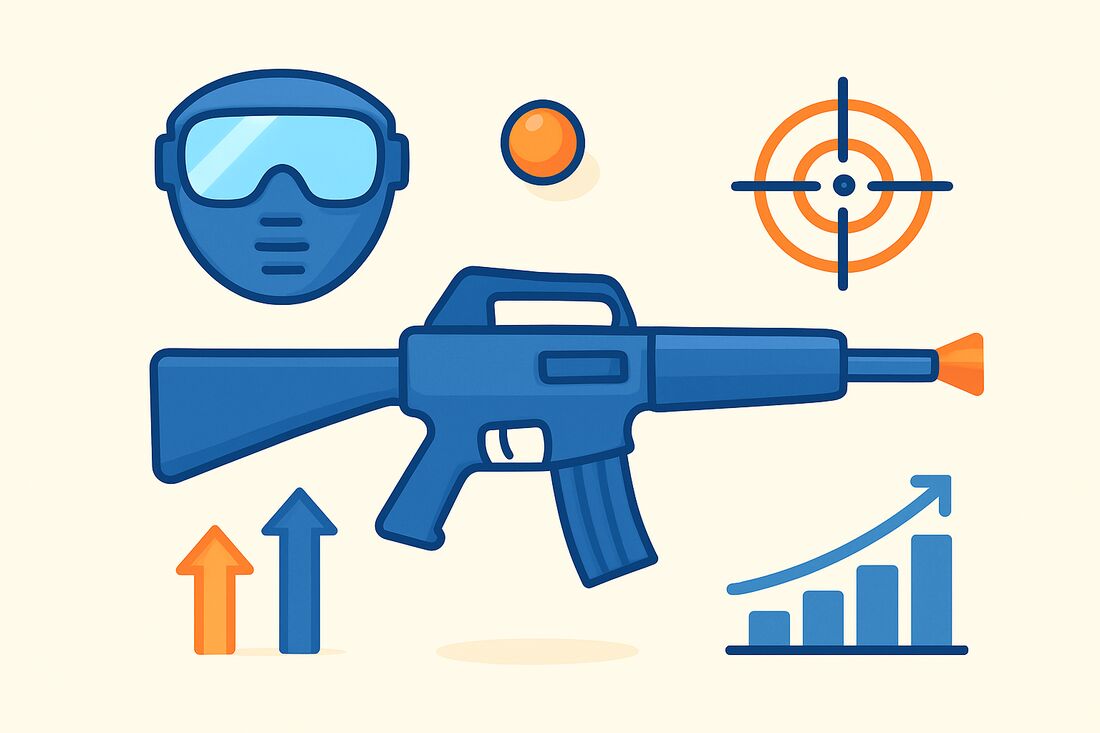
If you are asking what does an airsoft gun look like, think of a realistic firearm replica: a central receiver or frame that creates the outline, with a barrel projecting forward, a magazine below, sights on top, and a stock or grip at the rear.
The receiver is the visual heart of the gun and often tells you the platform at a glance, such as an AR/M4-style silhouette or the stamped shape of an AK. The same receiver area also hides the action and is where many external features live.
Pistols have compact frames and slide assemblies, while rifles show a longer receiver and usually a rail on top for optics. Submachine guns like the MP5 are shorter and boxier, snipers are long and slim, and bullpups push the receiver rearward so the action sits behind the trigger.
Look closely at the receiver to find the selector switch or safety, the magazine well, and the ejection-port seam; these are realistic-looking extras on many replicas. You will also spot the bolt or cocking handle on many models and sometimes a visible seam where two halves were joined in manufacturing.
Materials and finish change the visual tone: metal receivers read as more “real” with matte or bead-blast textures, and polymer frames often show injection-mold lines and a softer look. Full-metal replicas usually have crisp machining marks and weight cues, while polymer-bodied AEGs look molded and may have more visible textures or logos.
AEG stands for Automatic Electric Gun and refers to electrically powered replicas, and GBB means Gas Blow Back, a gas-powered system that cycles like a real gun; these acronyms tell you what to look for on the receiver such as battery doors or gas-escape vents. If you want a quick primer on types and how they affect appearance, learn more about basic platforms and power sources.
Signature receivers help you name the platform: the AR/M4 flat-top has a long Picatinny or M-LOK rail, the AK receiver is more squared and often has a curved magazine well, Glock-style pistols are compact with a polymer frame, and bullpups like the AUG tuck the receiver behind the grip. Seeing these shapes will quickly tell you whether you are looking at a rifle, pistol, SMG, or a bullpup design.
Receivers are also where players add accessories, so a blank receiver looks different from an accessorized one with scopes, foregrips, and lights. For photos, show both a clean receiver and the accessorized version so viewers can compare how rails and attachments change the overall look.
Quick visual checklist for the receiver: note the magazine port shape, find the selector switch, spot any seams or battery compartments, and look for rail mounting areas. These small cues help you describe what you see without opening the gun. Alt text suggestion: Close-up of AR-style receiver showing selector switch and magazine well.
Barrel
If you wonder what does an airsoft gun look like at the muzzle, the barrel is the defining front-end feature and changes the gun’s character immediately. The barrel makes a rifle look long and purposeful, while a short barrel gives a pistol or CQB gun a stubby, compact profile.
The visible outer barrel is what you normally see, while the inner barrel is hidden and affects accuracy and range; the inner barrel sits inside the outer shroud and cannot be seen without disassembly. The outer barrel profile varies widely, from thin pistol barrels to beefy match barrels on sniper replicas.
Muzzle devices are a big visual factor: flash hiders and mock suppressors instantly change the silhouette, and tracer units add a bulky cylinder look that houses electronics. Threaded outer barrels are common and allow owners to screw on mock suppressors, tracer units, or faux compensators, which can dramatically alter the front end.
Barrel length and shrouds also dictate the firearm “type” look: long barrels and full shrouds suggest marksman or DMR rifles, while short barrels and birdcage flash hiders scream CQB. Some replicas include full-length shrouds that hide a shorter outer barrel, so the visible length isn’t always the true barrel length under the shroud.
Spot the hop-up area near the chamber; this is where players adjust backspin to improve range and accuracy. The hop-up (short for hop-up unit) uses a small contact piece to apply backspin to the BB, and the adjuster is usually accessed near the magazine well or under a small cover; knowing this helps separate functional parts from purely cosmetic ones.
Threaded barrels and tracer-ready ends are easy to spot and are often knurled or capped with a mock thread protector in photos. If you are checking legal markings, some replicas ship with an orange tip or require visible safety markings in certain regions, so always check local regulations before altering appearing tips or markings.
Barrel shrouds, faux compensators, and full-length mock suppressors give guns a tactical look even when the inner parts are unchanged, and aftermarket sleeves let owners switch looks fast. For more specifics on barrel options and what they mean for handling and appearance, consult an airsoft guns guide that breaks down the common setups.
Alt text suggestion for images: Side-by-side of a bare outer barrel, a barrel finished with a flash hider, and a barrel with a mock suppressor. Practical photo tip: show the thread cap and the hop-up access point to help beginners see what’s functional versus cosmetic.
Magazine
Magazines are one of the fastest ways to name a gun type by sight because their shape changes the silhouette drastically. Short single-stack pistol magazines look slim and neat, long rifle high-cap mags stick out visibly, and curved AK-style magazines give a distinct profile that can’t be missed.
Look for visual details like feed lips at the top, a winding wheel or follower for high-cap AEG mags, and a gas-fill valve on GBB or CO2 magazines; these elements tell you how the magazine functions. Transparent windows are common on some mags and show BB level at a glance, while metal-welded magazines may have a shiny finish and stamped seams.
AEG mid-cap magazines sit flush and usually lack a winding wheel, making them tidy and realistic in the magwell, while high-cap AEGs bulge and often have a visible winding gear at the base. Gas blow-back (GBB) pistol magazines are thicker and heavier and usually have a visible gas valve or fill port near the base, so weight and valves are quick visual giveaways.
When inserted, a high-cap mag can change the gun’s balance and profile by sticking down far past the receiver, while a mid-cap or low-cap sits flush and retains a sleeker look. AK magazines curve out visibly, which gives the whole gun an unmistakable shape even from a distance.
You can usually tell a gas magazine by its metal valve and heavier base plate, whereas a spring-fed mag or AEG mag will often be lighter and may have a plastic base. Aftermarket finishes vary from matte polymer to chrome-plated metal and painted patterns, so color and texture also help identify a magazine’s purpose.
If you need a quick reference to choose between magazine types for play style and appearance, see a dedicated buyers guide. Alt text suggestion for images: Pistol magazine beside a rifle magazine, one inserted and one removed, with close-up of a gas valve and a winding wheel.
Sights / Iron sights
Iron sights are the most basic visual element on the top rail and usually consist of a front post and a rear aperture, giving the classic “three-dot” or post-and-notch look. These sights sit on the barrel or rail and are easy to spot because they form the top silhouette of the gun.
Optics change the look dramatically: a low-profile red dot is compact and sporty, a holographic sight looks boxy and tactical, and a magnified scope adds a large objective lens and gives a long-range, rifleman appearance. Flip-up backup sights (BUIS) are often mounted behind a red dot and can be folded down to hide them for a cleaner profile.
Sights mount on Picatinny or Weaver rails and can be stacked, such as a red dot plus a magnifier on a flip mount, creating a layered, tactical aesthetic. Tower-style sights for magnifier co-witnessing are taller and make the gun appear more purpose-built for optics, while low-profile irons keep the profile sleek for CQB use.
Changing the sight set-up alters how people read the gun; a simple dot sight makes a gun look sport or competition-ready, while a large scope signals long-range intent. Close-up photos of reticles, windage and elevation knobs, and sight markers help beginners see the functional parts of the sight instead of just the silhouette.
When describing a gun, note whether the sights are fixed or removable, if they co-witness with other optics, and whether the sight towers are tall or low; these small details explain whether the gun is set up for close quarters or long-range play. Alt text suggestion for an image: Iron sights with a red dot and a compact scope mounted on the same rifle to show contrast in profiles.
If you are still curious about what does an airsoft gun look like overall, remember the sighting system is often the quickest clue to how the gun will be used and how it will present itself on the field. Practical photo tip: take one shot with sights folded and one with optics mounted so readers can compare the two looks.
Stock / Buttstock
The stock or buttstock shapes the rear silhouette and affects perceived length and handling; fixed stocks give a classic hunting or battle-rifle look, while collapsible stocks create a compact, modern carbine silhouette. Folding stocks reduce stored length and can make a rifle look very compact when collapsed.
Common types include fixed, collapsible/adjustable M4-style stocks, folding stocks found on AKs and MP5s, skeletonized precision stocks for long-range rigs, and pistol stabilizing braces for AR-style pistols. Each choice changes the cheek weld and length of pull, which also visually changes how the gun balances when shouldered.
Key visual features are cheek risers, butt pads, and visible locking points for length adjustments, which give stocks either a tactical or minimalist look. Skeleton stocks are open and airy and read as lightweight, while big precision stocks with adjustable cheek rests look bulky and purpose-built for long-range accuracy.
Bullpups flip the whole concept by placing the action and often the stock behind the trigger, giving a compact overall length with a standard rifle barrel, and this layout changes the silhouette more than any single stock style. For AEGs, the stock area sometimes hides a battery compartment or wiring, so look for small trap doors or baseplates that open.
Show photos of stocks fully extended and fully collapsed so viewers can see the range of length-of-pull and how the profile changes in each position. Alt text suggestion: Collapsible M4 stock shown collapsed and extended, plus a folding stock folded against the receiver to show compact storage and deployed length.
One final note for visual ID: scan for orange tips, battery compartments, gas-fill valves, hop-up access points, and magazine shape as you move along the gun from rear to front; these cues quickly answer what does an airsoft gun look like in practical terms. Remember to follow local rules about replica markings and field safety when showing or modifying your gun.
What People Ask Most
What does an airsoft gun look like?
An airsoft gun often looks very similar to a real firearm but is usually lighter and may have an orange tip. It shoots small plastic BBs and is designed for sport or training, not live ammunition.
How can I tell if an object is an airsoft gun and not a real gun?
Many airsoft guns have an orange tip or visible plastic parts and feel lighter than a real gun. Still, treat any unfamiliar gun with caution until you know for sure.
Are airsoft guns just toys?
Some airsoft guns look toy-like, but many are realistic and can cause injury if used carelessly. Always follow safety rules and wear eye protection.
Can beginners use airsoft guns for training or practice?
Yes, airsoft guns are commonly used for safe handling practice and marksmanship without live rounds. Make sure to practice in a controlled area and use proper safety gear.
Where are airsoft guns usually used?
Airsoft guns are used at organized fields, indoor arenas, and private property with permission for games, drills, or target shooting. Always follow the venue’s safety rules and local laws.
What are common mistakes beginners make with airsoft guns?
Beginners often treat them like toys, skip eye protection, or ignore local rules. Always handle them responsibly and learn basic safety procedures first.
Do airsoft guns come in different shapes and sizes?
Yes, they mimic a range of firearms from pistols to rifles and can look very realistic or more obviously toy-like. Pick a style that matches your comfort level and stick to safety guidelines.
Final Thoughts on Identifying Airsoft Guns
Think of this guide as a 270 look at what an airsoft gun looks like: clear photos and labels that make receiver, barrel, magazine, sights, and stock easy to pick out. That opening one-line answer — that an airsoft gun is a realistic replica with a defined receiver/frame, barrel forward, a magazine below and a stock at the back — set the hook, and the sections showed how each external part and common variation changes the silhouette.
You’ll be able to describe a gun’s silhouette, spot key cues like a gas valve or hop-up adjuster, and judge whether a piece is set up for CQB or longer shots by its sights and barrel profile. A realistic caution: cosmetic mods and swapped parts can hide internals, so don’t assume outward looks tell the whole story and check specs or the internals when accuracy matters. This guide was aimed at beginners, referees, buyers and curious players who want fast recognition, and if you started with that quick visual answer, you’ve now got a simple checklist to keep learning with confidence.